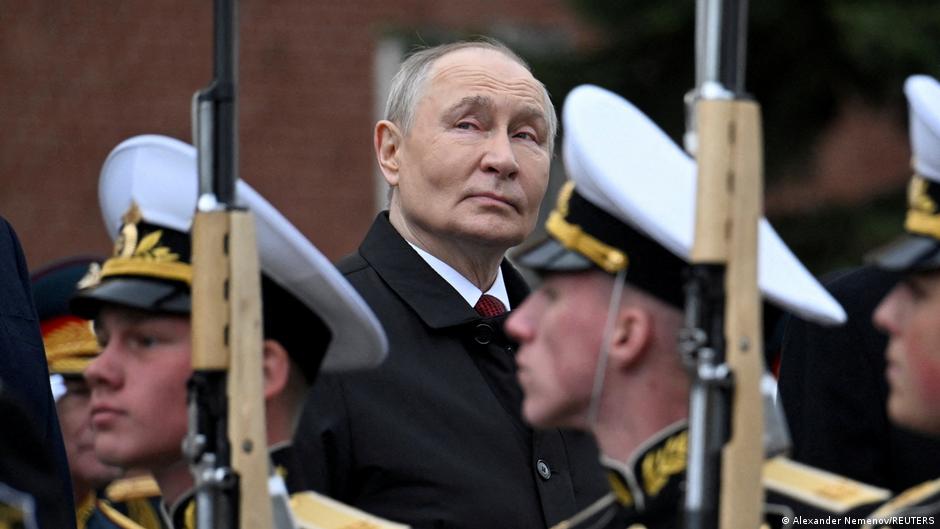
Russian President Vladimir Putin stated that the ongoing war in Ukraine may be nearing its conclusion during a press conference following the Victory Day celebrations in Russia. Putin confirmed that "the matter is heading towards an end," which raises questions about the future of the conflict that has persisted for more than four years.
In a related context, Putin commented on Western support for Ukraine, indicating that this support has escalated tensions with Russia. He explained that "the West has begun to escalate confrontation with Russia, and this continues to this day." Despite his optimism, he noted that the situation remains dangerous.
Details of the Event
During the press conference, Putin was asked about who his preferred negotiator would be in the upcoming talks with the European Union, where he chose former German Chancellor Gerhard Schröder as his preferred option. These statements come at a sensitive time, as the international community seeks diplomatic solutions to end the conflict.
Putin also addressed the issue of prisoner exchanges, confirming that Moscow has not received any proposals from Ukraine regarding the prisoner exchange process announced by former US President Donald Trump. He expressed hope that Ukraine would respond to the proposals presented.
Background & Context
The roots of the conflict in Ukraine date back to 2014 when Russia annexed the Crimean Peninsula, leading to heightened tensions between Russia and the West. Since then, the country has witnessed armed conflict between Ukrainian forces and Russian-backed separatists in eastern Ukraine, resulting in thousands of deaths.
Over the years, several countries and international organizations have attempted to mediate the conflict, but peace efforts have not achieved the desired success. However, Putin's recent statements may indicate a potential shift in Russia's stance towards negotiations.
Impact & Consequences
If what Putin indicated about the war nearing its end comes to fruition, it could have significant implications for security and stability in the region. The end of the conflict might pave the way for rebuilding relations between Russia and the West, potentially leading to a reduction in sanctions imposed on Russia.
On the other hand, this development could have repercussions on the internal situation in Ukraine, where any peace agreement may require concessions from both sides, potentially provoking mixed reactions from the Ukrainian populace.
Regional Significance
Arab countries are indirectly affected by the conflict in Ukraine, as any changes in the geopolitical situation could impact energy prices and global markets. Additionally, regional stability could contribute to improving relations between Arab nations and Russia.
In conclusion, attention remains focused on developments in Ukraine, as any progress towards peace could have positive implications on an international level, including in the Arab world.