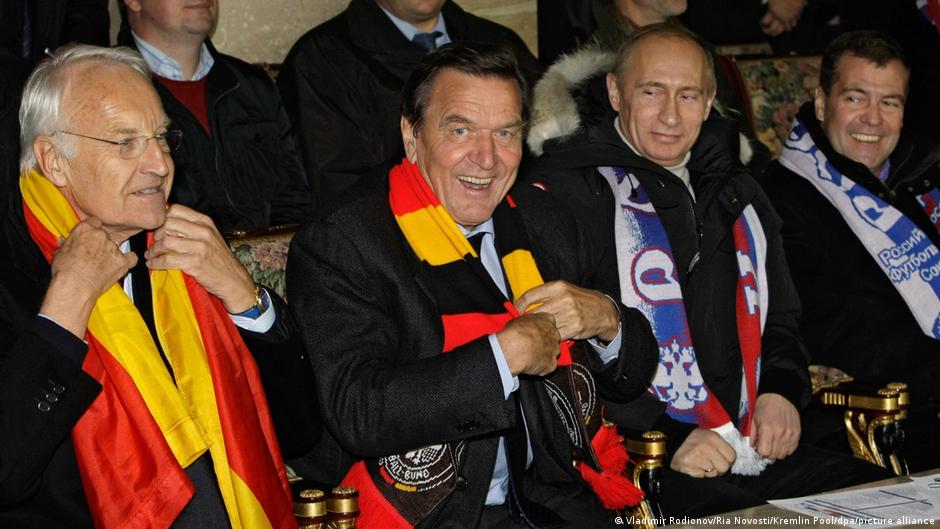
Russian President Vladimir Putin has expressed his desire for former German Chancellor Gerhard Schröder to serve as a potential mediator in peace negotiations aimed at ending the war in Ukraine. This proposal emerges at a time when Schröder faces mounting criticism due to his close relationships with Russia, with some viewing him as a controversial and unserious option in this context.
Schröder served as the German Chancellor from 1998 to 2005, known for his foreign policies that leaned towards Russia. While many German leaders, such as Angela Merkel and Olaf Scholz, have contributed to strengthening relations between Berlin and Moscow, Schröder has taken a different stance, showing clear support for Russia even amid public criticism of Putin's aggressive actions towards Ukraine.
Details of the Proposal
Schröder's relationship with Putin dates back to his tenure as Chancellor, during which he attended Russian events, including Putin's birthday celebration in 2014. After leaving office, Schröder faced severe criticism for his ties to state-owned Russian energy companies, having approved the Nord Stream pipeline project before leaving his position in 2005, and joining the board of the second Nord Stream 2 project in 2016, which was never completed due to the war in Ukraine in 2022.
In 2022, Schröder was set to join the board of Gazprom, the Russian gas giant, but he withdrew under increasing pressure following the Russian invasion of Ukraine. He has faced criticism from various German politicians, including leaders from both the Christian Democratic Union and the Green Party, who have called for his removal from all positions related to Russia.
Background & Context
Historically, relations between Germany and Russia have been complex, characterized by periods of cooperation and conflict. In recent years, there have been increasing efforts to strengthen economic ties, particularly in the energy sector, but the Russian invasion of Ukraine in 2022 has radically changed the landscape. Schröder, who was once seen as part of this cooperation, has now become a controversial figure.
In 2024, Schröder indicated that negotiations with Putin might be the only way to end the war in Ukraine, further fueling controversy regarding his position. In an interview, he stated that he sees no other solution, emphasizing that the war cannot end with a complete defeat for either side.
Impact & Consequences
Schröder's statements raise questions about the possibility of achieving peace in Ukraine, with some arguing that having a figure like Schröder as a mediator could have negative effects on the process. Conversely, others suggest that his long-standing relationships with Putin might be beneficial in facilitating dialogue between the two sides.
Pressure is mounting on European leaders to find diplomatic solutions, but Schröder's position may complicate matters, especially given the increasing criticism he faces from within Germany. These dynamics could influence how European nations engage with Russia in the future.
Regional Significance
The relationship between Russia and Arab countries is significant, particularly in the fields of energy and security. Developments in Ukraine could impact these relations, as Arab nations seek to balance their ties with major powers. Additionally, any moves towards peace in Ukraine could pave the way for greater cooperation between Russia and Arab countries in the future.
In conclusion, the question remains about Schröder's ability to play an effective role in peace negotiations, and whether his ties with Putin will aid or hinder efforts to achieve peace in Ukraine.