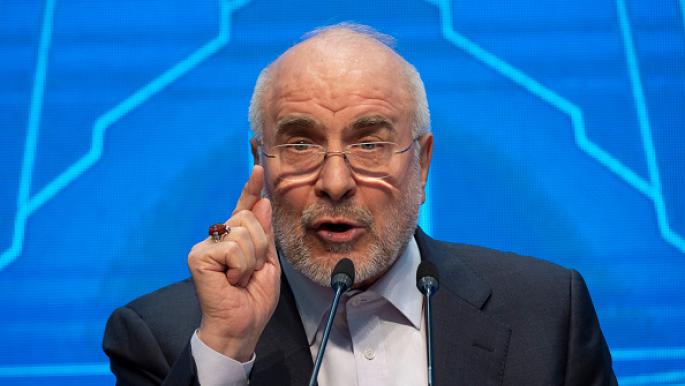
Iranian Parliament Speaker Mohammad Baqer Qalibaf denied in statements made on Monday evening the claims made by U.S. President Donald Trump regarding negotiations between his administration and Tehran. Qalibaf emphasized that these statements do not reflect reality, indicating that the enemy only presents its wishes.
Qalibaf's remarks came after Trump previously asserted that his administration was engaged in negotiations with Iran, which sparked mixed reactions within Iranian political circles. Qalibaf considered these statements to be part of the psychological warfare that the United States is waging against Iran, stressing that Tehran will not negotiate under pressure.
Details of the Event
In a related context, Qalibaf affirmed that Iran will not abandon its national rights and that any negotiations must be based on mutual respect. He also noted that the Iranian people are well aware of the enemy's intentions and will not be deceived by such statements.
On the other hand, analysts believe that Trump's remarks come at a sensitive time, as the U.S. president seeks to bolster his political position domestically ahead of the presidential elections. Some view these statements as an attempt to present a positive image of his administration in the realm of foreign policy.
Background & Context
These statements come at a time when Iranian-American relations are experiencing severe tension, with the United States imposing strict economic sanctions on Tehran since its withdrawal from the nuclear agreement in 2018. Since then, the region has witnessed an escalation in tensions, including attacks on Iranian oil facilities and commercial ships.
Despite the pressures, Iran continues to develop its nuclear program, complicating the situation further. Tehran has repeatedly confirmed that it will not negotiate under pressure and that any talks must be based on mutual respect and recognition of its rights.
Impact & Consequences
Trump's and Qalibaf's statements may lead to an escalation of tensions between the two countries, as any attempt by the United States to pressure Iran could provoke strong reactions from Tehran. Additionally, these statements may impact stability in the region, where other countries are suffering from the repercussions of the Iranian-American conflict.
At the same time, these statements could affect relations between Iran and European countries, which are striving to maintain the nuclear agreement. These countries may find themselves in a difficult position between U.S. pressure and their desire to maintain relations with Iran.
Regional Significance
The Iranian-American relationship is a key pivot in regional politics, influencing many Arab countries. Tensions between Tehran and Washington could lead to escalated conflicts in the region, particularly in Iraq, Syria, and Lebanon.
Moreover, any escalation in relations could affect oil prices and financial markets, impacting the Arab economy as a whole. Therefore, observers of events in the region are closely monitoring developments in these relations and their impact on regional stability.
In conclusion, the statements made by Qalibaf and Trump indicate the continuation of tensions between Iran and the United States, presenting the region with new challenges that require effective diplomatic solutions.