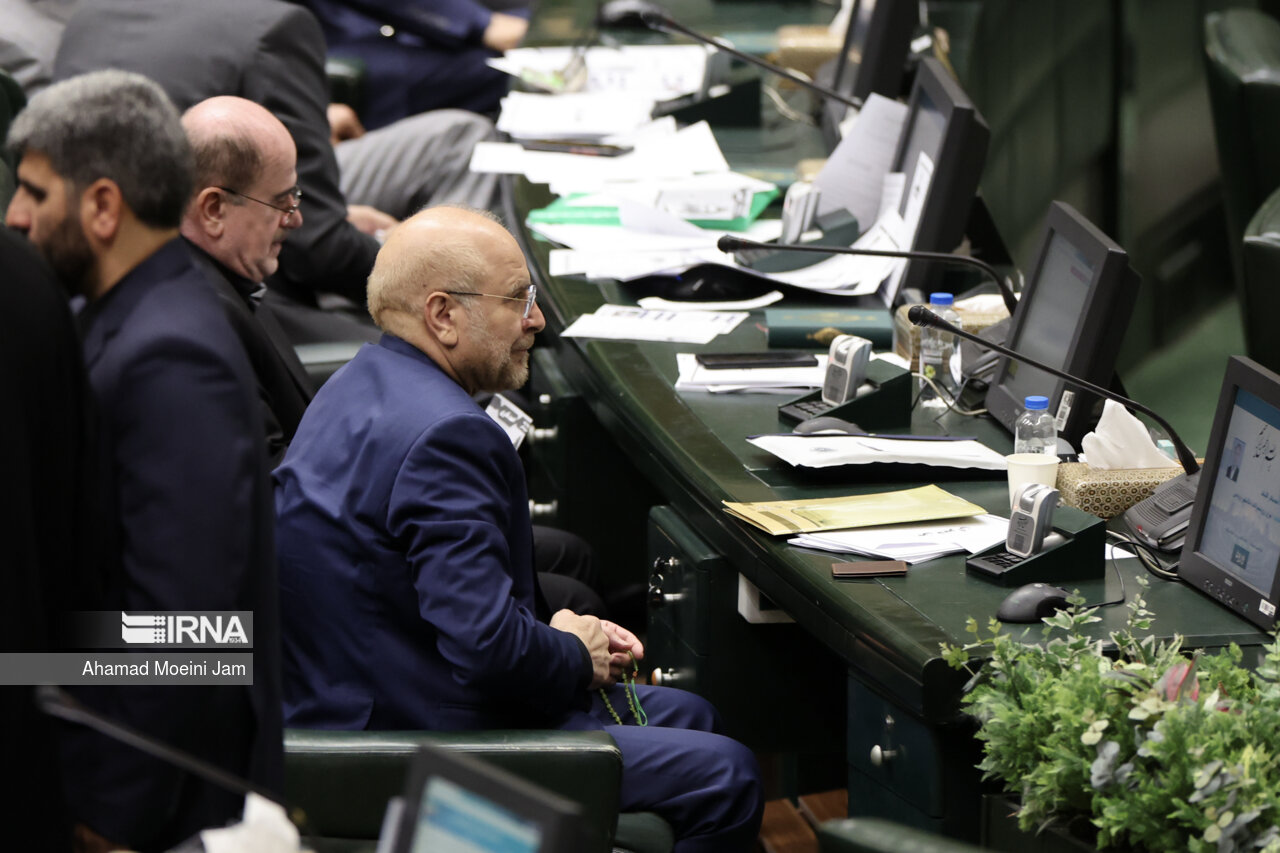
As regional conflicts escalate, Iranian Parliament Speaker Mohammad Baqer Qalibaf has emerged as a potential contact for the US in peace talks. This suggestion comes at a critical time of rising tensions between Iran and the West, raising questions about the possibility of progress in their strained relations.
Qalibaf, who has served as the Speaker of Parliament since 2020, is considered one of the prominent figures in the Iranian system and is known for his strong positions towards the United States. However, the proposal to use him as a mediator may indicate a desire from some parties to seek diplomatic solutions amid increasing crises.
Details of the Proposal
Reports suggest that the United States may be open to the idea of communicating with Qalibaf, although this could face significant challenges due to the divergent policies between the two sides. While Iran continues to expand its influence in the region, the US remains committed to its stance on Iran's nuclear program and its support for armed groups in the Middle East.
These developments come at a time when the region is witnessing an escalation in conflicts, including the ongoing strife in Gaza and increasing threats from armed groups. In this context, any move towards dialogue between Iran and the United States could be a significant step that may help ease tensions.
Background & Context
Historically, Iranian-American relations have experienced numerous fluctuations, deteriorating significantly after the Islamic Revolution in 1979. Since then, relations have been characterized by tension and hostility, with repeated attempts from both sides to communicate. In recent years, tensions have intensified due to the economic sanctions imposed by the United States on Iran, which have severely impacted the Iranian economy.
Despite these tensions, some believe that dialogue may be the only way to avoid escalating conflict. Historical events have shown that negotiations can lead to positive outcomes, such as the Iran nuclear deal reached in 2015.
Impact & Consequences
If Qalibaf is accepted as a mediator, it could open the door to new opportunities for dialogue between Iran and the United States. However, it must be considered that this proposal may face strong opposition from some factions within Iran, which reject any form of cooperation with the United States.
Furthermore, any progress in talks could significantly affect the regional situation, potentially leading to a reduction in tensions in conflict areas such as Iraq, Syria, and Lebanon. Nevertheless, the question remains whether the United States and Iran are willing to make the necessary concessions to achieve peace.
Regional Significance
The relationship between Iran and the United States is pivotal in shaping the contours of regional security. Any move towards improving these relations could have direct implications for Arab countries, especially those suffering from conflicts like Iraq and Syria. Additionally, stabilizing relations could contribute to enhancing security in the Gulf, a strategically rich resource area.
In conclusion, the discussion of Qalibaf as a potential mediator between Iran and the United States is an intriguing step, but it requires much caution and strategic thinking. Under the current circumstances, this opportunity may be the only hope for achieving peace in a region plagued by ongoing conflicts.