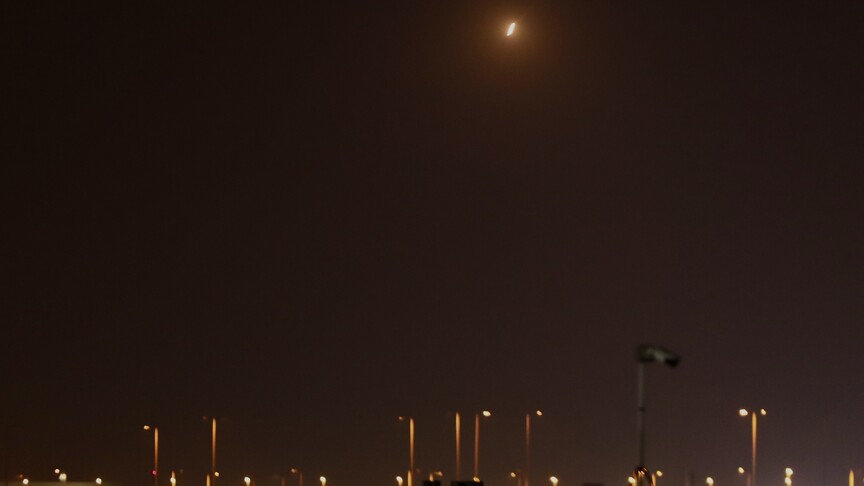
Qatar reported during its meeting at the United Nations that the recent Iranian attacks represent a blatant violation of international law. Doha emphasized that it retains the right to defend itself against any potential aggressions, reflecting the escalating tensions in the region.
These statements were made at a sensitive time, as fears of a potential military escalation between Iran and Gulf states have increased. Qatar clarified that these attacks are not merely transient aggressions but pose a threat to regional security and stability.
Details of the Incident
During a special session at the United Nations, Qatar presented evidence of Iranian attacks targeting its territory, indicating that these actions contradict the principles of international law. The Qatari representative noted that these attacks have caused significant damage, necessitating a firm stance from the international community.
Qatar also confirmed that it will take all necessary measures to protect its sovereignty and security, stressing the importance of international cooperation to counter any threats. A call was made to UN member states to stand with Qatar during this sensitive period.
Background & Context
Historically, relations between Qatar and Iran have experienced numerous fluctuations, with periods of cooperation and others of tension. These attacks are part of a series of events reflecting the increasing tensions in the region, especially following the rise of Iranian military activities in recent years.
These events coincide with Gulf states' efforts to enhance their security and stability, as countries seek to build new alliances to address security challenges. The attacks have heightened concerns regarding the ability of states to protect their territories from external aggressions.
Impact & Consequences
These Qatari statements serve as a warning to the international community about the risks of military escalation in the region. Such tensions could lead to negative repercussions on regional stability, potentially impacting the economy and markets in Gulf countries.
Moreover, the potential escalation could affect relations between Arab states and Iran, complicating the political landscape in the region. If effective measures are not taken, the situation may escalate further, threatening regional security.
Regional Significance
These events are significant for Arab states as they reflect the security challenges they face amid regional tensions. These statements could enhance cooperation among Arab countries to confront common threats.
Additionally, the situation in Qatar may influence relations among Gulf states, as these events could prompt countries to reassess their security strategies. Ultimately, the current situation requires a united Arab effort to ensure security and stability in the region.