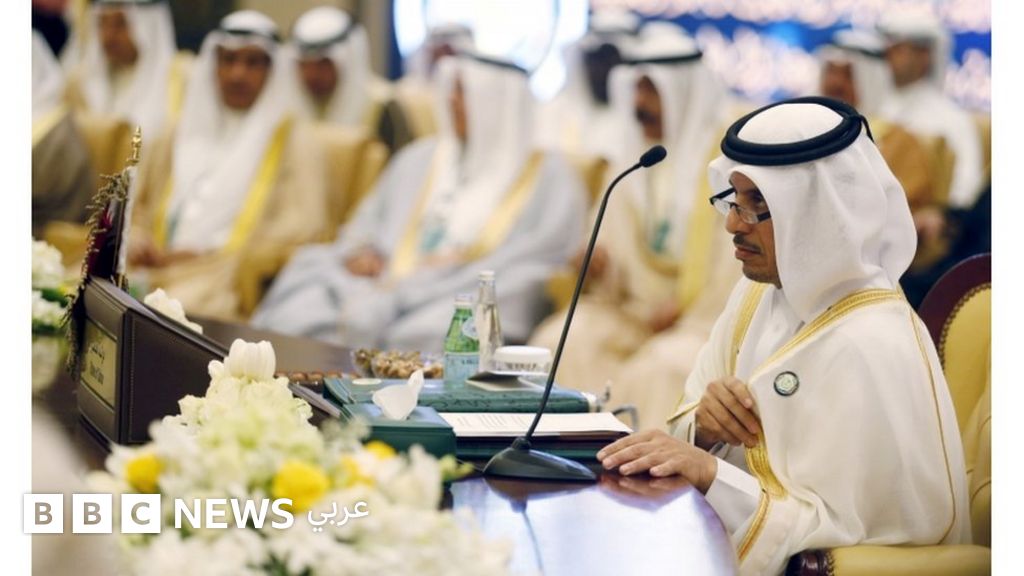
The spokesperson for the Qatari Ministry of Foreign Affairs, in press statements, affirmed that Qatar's position is clear regarding the necessity of ending armed conflicts through diplomatic means. He pointed out that dialogue is the optimal way to achieve peace and stability in the region, calling on all concerned parties to engage in serious negotiations.
These statements come at a time when several areas in the Arab world are witnessing an escalation in armed conflicts, increasing the urgent need to find peaceful solutions. Over the years, Qatar has shown its commitment to supporting peace efforts in various regional crises, whether in Yemen, Libya, or Syria.
Details of the Event
Qatar seeks to enhance its role as a mediator in regional conflicts, having provided support for diplomatic efforts in numerous crises. The Qatari Ministry of Foreign Affairs emphasized the importance of international cooperation in ending wars, noting that military solutions only exacerbate humanitarian conditions.
In this context, the spokesperson for the Qatari Foreign Ministry called for the necessity of respecting the sovereignty of nations and refraining from interference in their internal affairs, stressing the importance of dialogue as a means to resolve disputes. He clarified that Qatar will continue to support initiatives aimed at achieving peace and stability in the region.
Background & Context
Historically, Qatar has played an effective role in mediating between conflicting parties in the region. It has contributed to peace efforts in Darfur and the Israeli-Palestinian conflict. Doha has also hosted numerous talks between various factions, reflecting its commitment to supporting peace and stability.
It is worth noting that armed conflicts in the region, such as the war in Yemen and the conflict in Libya, have led to a worsening of humanitarian conditions, necessitating urgent international intervention. Qatar has expressed its readiness to provide humanitarian assistance to those affected by these conflicts.
Impact & Consequences
The Qatari statements underscore the importance of peaceful solutions in addressing conflicts, which could contribute to improving humanitarian conditions in affected areas. Additionally, Qatar's position may enhance its role as a reliable mediator in the region, potentially opening new avenues for cooperation with other countries.
Moreover, Qatar's support for diplomatic efforts may encourage other countries to take similar steps, contributing to creating a more stable environment in the region. Strengthening dialogue between conflicting parties could lead to positive outcomes in the long term.
Regional Significance
Qatar's supportive stance towards diplomatic solutions reflects the desire of many Arab countries to end the armed conflicts plaguing the region. Ongoing crises significantly impact security and stability, necessitating collective efforts to find effective solutions.
In the current circumstances, enhancing dialogue and cooperation among Arab countries could contribute to achieving peace and stability. Through its position, Qatar may play a pivotal role in advancing these efforts, reflecting its commitment to regional issues.
In conclusion, hope remains that diplomatic efforts will lead to the end of conflicts and the achievement of peace, as dialogue is the only way to build a better future for the region.