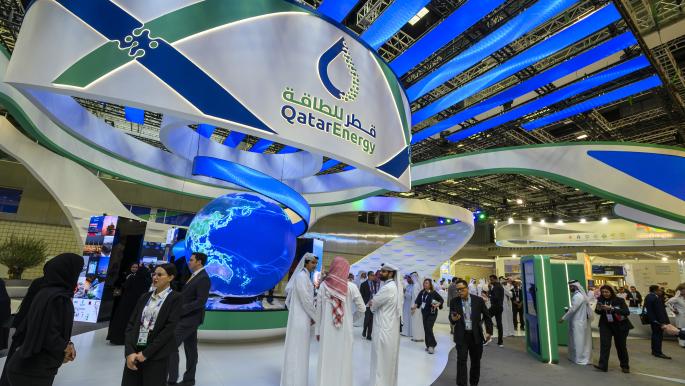
Qatar Energy's decision to halt production in vital industries in Mesaieed, announced on March 3, has sent shockwaves through the Qatari economy, raising questions about its impact on local and international supply chains.
The city of Mesaieed is one of the most important industrial areas in Qatar, housing a range of factories that play a crucial role in meeting both local and international market needs. This decision comes at a sensitive time as the Qatari economy seeks to recover from the repercussions of the COVID-19 pandemic and global economic challenges.
Details of the Announcement
On March 3, Qatar Energy announced the cessation of production in several vital industries in Mesaieed, leading to a state of concern among investors and economic analysts. The decision included industries related to petrochemicals and natural gas, which are essential sectors that Qatar relies on for generating revenue.
This move is part of the company's strategy to adapt to changes in the global market, but it raises fears about the potential impacts on supply and production chains. Some experts have indicated that this decision could lead to shortages of certain essential products in the local market.
Background & Context
Historically, Qatar has heavily relied on the energy sector as a primary source of revenue. However, fluctuations in oil and gas prices, along with environmental challenges, have prompted companies to reassess their production strategies. In recent years, Qatar has witnessed significant transformations in the energy sector, including investments in renewable energy.
This decision is part of Qatar's efforts to enhance economic sustainability, but the challenges faced by companies in this context remain significant. The COVID-19 pandemic has greatly affected global energy demand, leading to price volatility and the need to rethink production strategies.
Impact & Consequences
The decision to halt production in Mesaieed could have wide-ranging effects on the Qatari economy. It may lead to price increases in the local market, in addition to its impact on employment in the region. Furthermore, the cessation of production could negatively affect Qatar's reputation as a reliable energy supplier in global markets.
Moreover, this decision could impact trade relations with other countries, as many nations depend on energy imports from Qatar. Consequently, any fluctuations in production could lead to tensions in trade relationships.
Regional Significance
Qatar Energy's decision to halt production in Mesaieed represents a turning point that could affect neighboring countries. With the increasing reliance on energy in the region, any shortfall in Qatari production could have negative repercussions on the economies of other countries that depend on Qatari energy.
This decision may also open the door for other countries to boost their energy production, potentially increasing competition in the market. Therefore, the situation in Qatar could have implications for economic stability in the region as a whole.
In conclusion, the question remains as to how Qatar will address these challenges and whether it will be able to quickly restart the halted factories in Mesaieed. The response of the government and companies to this situation will be crucial in determining the future of the Qatari economy.