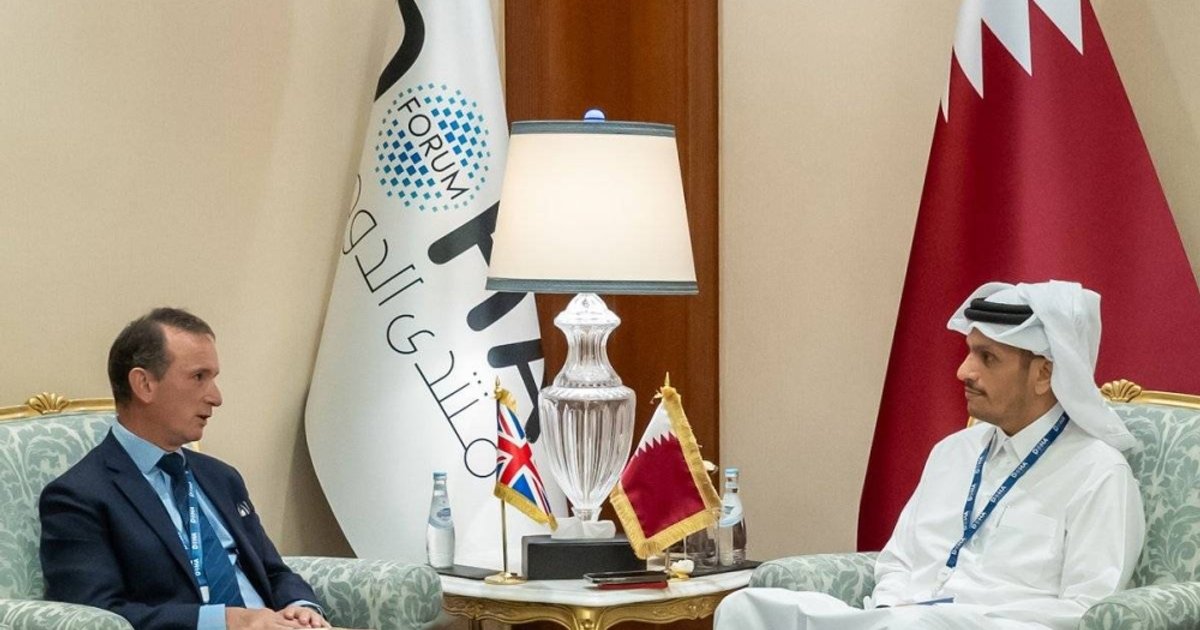
The spokesperson for the Qatari Ministry of Foreign Affairs, Majid Al-Ansari, stated on Tuesday that Qatar is striving for a definitive solution to the ongoing conflict between the United States and Iran. He clarified that Qatar categorically rejects any threats or closure of the Strait of Hormuz, which is a vital artery for global trade.
In a press conference, Al-Ansari pointed out that Qatar's priority lies in stabilizing the region, expressing the country's support for any negotiations aimed at achieving a ceasefire and reopening the Strait of Hormuz. He also confirmed that Qatar supports Pakistan's role as a mediator in this dispute and is working to coordinate with various parties involved both in the region and beyond.
Event Details
Al-Ansari emphasized the importance of reaching a diplomatic solution to the conflict, noting that military solutions would only exacerbate the situation. He asserted that Qatar does not wish to return to hostilities or for the situation to remain stagnant, indicating that the dispute must end at the negotiating table.
In a related context, leaders of the Gulf Cooperation Council (GCC) are holding an extraordinary consultative summit today in Jeddah, Saudi Arabia, to discuss regional developments amid increasing crises in the area.
Background & Context
The crisis in the Strait of Hormuz is considered one of the sensitive issues in international politics, as approximately 20% of the world's oil passes through it. The region has witnessed escalating tensions due to the conflict between the United States and Iran, which has affected the stability of global energy markets.
Since the onset of the conflict, Qatar has stressed the necessity of maintaining freedom of navigation in the strait, emphasizing that any closure would have serious economic repercussions worldwide. Qatar has expressed its readiness to support all international efforts aimed at reopening and securing the strait.
Impact & Consequences
Concerns are growing that any escalation in the region could have negative effects on energy security and global supply chains. Qatar has warned that closing the Strait of Hormuz would have economic implications for oil-importing countries, potentially leading to rising prices and increasing economic tensions.
Al-Ansari also noted that Qatar has taken all necessary measures to counter any potential attacks, confirming that Qatari air defenses have intercepted approximately 98% of the attacks targeting the country recently. Qatar condemned the Iranian attacks that targeted its territory, affirming its right to defend its sovereignty.
Regional Significance
The situation in the Strait of Hormuz is part of broader regional tensions that affect neighboring Arab countries. The stability of the region heavily relies on the ability of the involved countries to reach peaceful solutions to ongoing disputes.
Under these circumstances, it is crucial for Qatar to play an active role in mediating between the conflicting parties, which could contribute to alleviating tensions in the region. Qatar's support for Pakistan as a mediator reflects its commitment to diplomatic solutions and enhances its position as a supporter of regional stability.