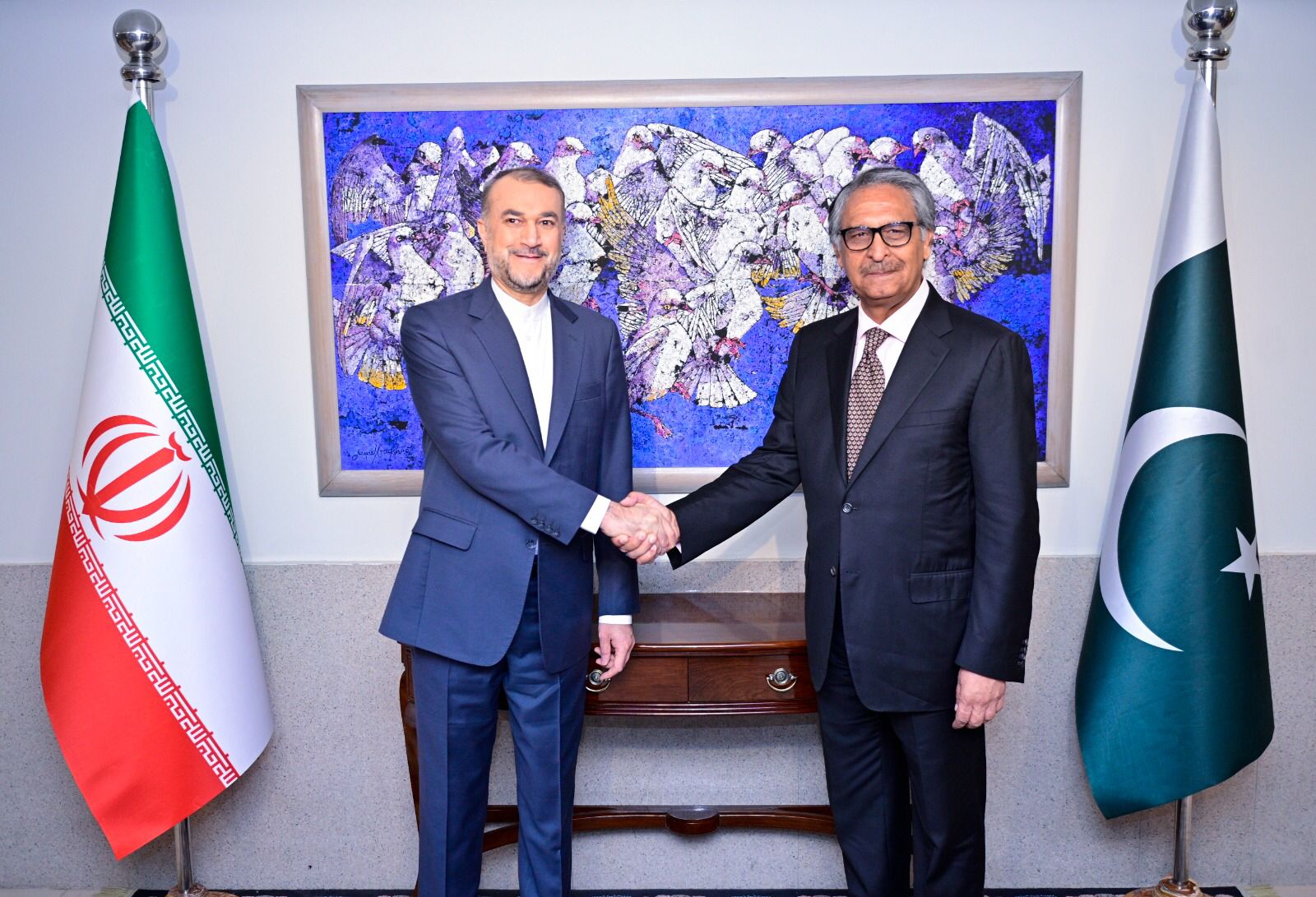
The quadruple meeting held in the Pakistani capital, Islamabad, which brought together the foreign ministers of Pakistan, Saudi Arabia, Egypt, and Turkey, ended without announcing any new initiative to end the ongoing war. The two-hour meeting saw a noticeable decline in expectations regarding the emergence of an effective initiative, as participants limited themselves to calling for de-escalation.
In a statement issued by the Saudi Foreign Ministry after the meeting, the importance of intensifying efforts to contain the crisis and enhance security and stability in the region was emphasized. A source in the Pakistani Foreign Ministry noted that the meeting discussed details of the indirect negotiations between Tehran and Washington, aimed at reducing tensions.
Details of the Event
The meeting was held at the Pakistani Foreign Ministry, where the ministers discussed ways to enhance diplomatic efforts to end the war, which has entered its second month. Pakistani Foreign Minister Mohammad Ishaq Dar held bilateral meetings with his counterparts from Turkey, Saudi Arabia, and Egypt prior to the quadruple meeting, emphasizing the importance of dialogue and diplomacy as a means to achieve peace.
Additionally, Pakistani Prime Minister Shahbaz Sharif engaged in extensive discussions with Iranian President Masoud Pezeshkian, addressing regional conditions. The necessity of de-escalation for achieving lasting peace was confirmed, reflecting positive trends in the relations between Pakistan and Iran.
Background & Context
These meetings come at a time when the region is witnessing escalating tensions, particularly between Iran and the United States. Reports have confirmed that the United States presented Iran with a document containing 15 points, while Tehran submitted a 5-point paper. Despite this, Iranian officials continue to deny the existence of any direct negotiations with Washington.
The quadruple meeting represents part of broader diplomatic efforts aimed at containing the conflict in the region, as the four countries seek to enhance cooperation and provide practical solutions to ongoing crises.
Impact & Consequences
All eyes are on the outcomes of this meeting and its impact on the regional situation. The failure to reach a clear initiative could lead to the continuation of tensions, negatively affecting security and stability in the region. Furthermore, the ongoing war reflects on the humanitarian and economic conditions in the affected countries.
On the other hand, these meetings may contribute to strengthening relations between the participating countries, potentially opening new avenues for cooperation in other areas, such as trade and regional security.
Regional Significance
The situation in the Arab region represents part of the larger picture of regional crises. The continuation of the conflict could affect neighboring Arab countries and increase tensions among various factions. Additionally, any progress in negotiations could positively impact conditions in Arab countries, enhancing prospects for peace and stability.
In conclusion, hope remains pinned on the diplomatic efforts exerted by the countries participating in this meeting, as everyone looks forward to achieving tangible results that contribute to ending the conflict and achieving peace in the region.