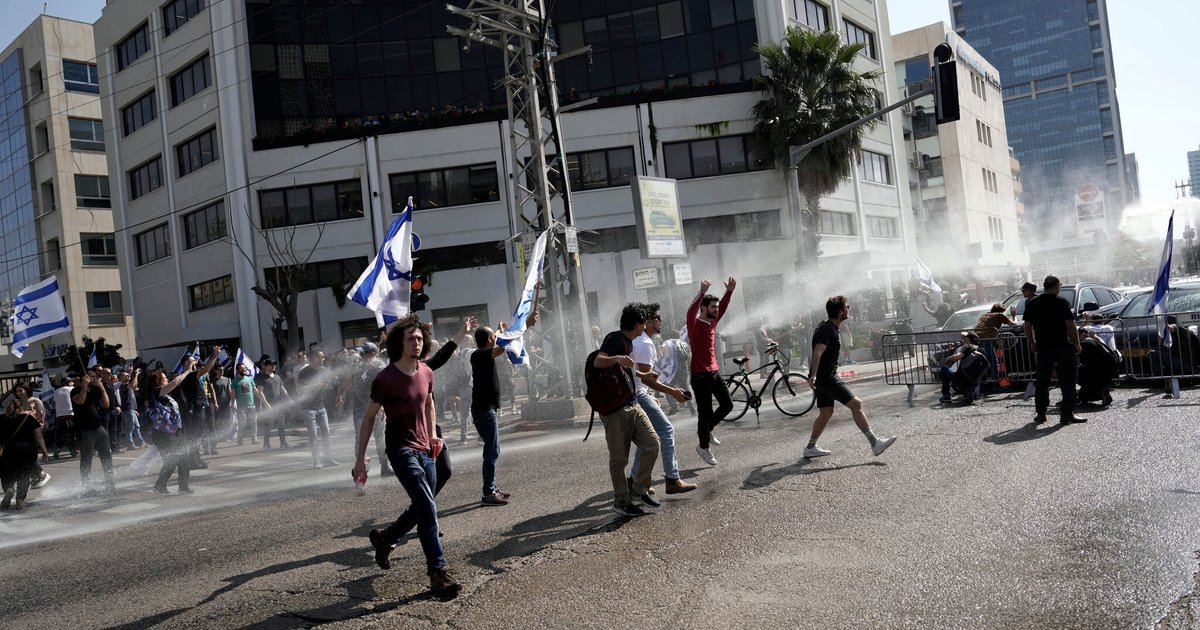
Questions are mounting regarding the role of the Israeli police in safeguarding the community, especially in light of recent events in the country. Reports indicate that the police are facing growing criticism for their handling of protests and demonstrations, raising questions about whom they are actually protecting.
As Israel experiences a surge in social and political tensions, it appears that the Israeli police are under increasing pressure from civil society. Many are questioning their ability to fulfill their duty of maintaining security and order, particularly in light of the criticism they receive from citizens and activists.
Details of the Events
Protests are escalating in Israel, with citizens expressing their dissatisfaction with government policies, leading to heightened tensions in the streets. Reports have noted that the police are responding to these protests in varied ways, sparking widespread debate about the effectiveness of their strategies. In some instances, excessive force has been used by police officers, resulting in injuries among demonstrators.
Furthermore, reports have shown a division within Israeli society regarding the role of the police. While some view the police as a protector of order, others believe their actions reflect a clear bias against certain segments of society, exacerbating tensions.
Background & Context
Historically, Israel has witnessed numerous protests and demonstrations that reflect social and political tensions. Since the establishment of the state, there have been periods of unrest and protests that required police intervention. However, current criticisms suggest that the police have not evolved sufficiently to keep pace with changes in Israeli society.
In recent years, the intensity of protests has increased due to issues such as Palestinian rights, racial discrimination, and government corruption. These issues have led to a rise in public discontent, complicating the role of the police. In this context, many are questioning how the police are handling these sensitive issues.
Impact & Consequences
The repercussions of the actions of the Israeli police extend beyond the borders of the country, affecting relations with the international community. Human rights organizations have expressed concern over the use of excessive force, which could lead to negative consequences for Israel's image worldwide. Additionally, these criticisms may impact the international support that Israel receives, particularly from Western countries.
Moreover, the ongoing tensions between the police and the community could exacerbate the situation, increasing the likelihood of further protests. In light of this, it becomes essential for the police to reassess their strategies and approaches to ensure security for all.
Regional Significance
The ongoing events in Israel hold significant importance for the Arab region, reflecting social and political tensions that may affect neighboring countries. Developments in Israel could lead to increased polarization in the region, impacting relations between Arab nations and Israel.
Furthermore, the continuation of protests and tensions may inspire protest movements in Arab countries, which could draw lessons from the experiences of Israeli society. In this context, it becomes crucial to closely monitor events to understand how they may influence conditions in the region.
In conclusion, the role of the Israeli police remains a subject of extensive debate, with increasing criticism regarding their effectiveness in protecting the community. As tensions rise, it is essential for the police to reevaluate their strategies to ensure security for all, including marginalized groups.