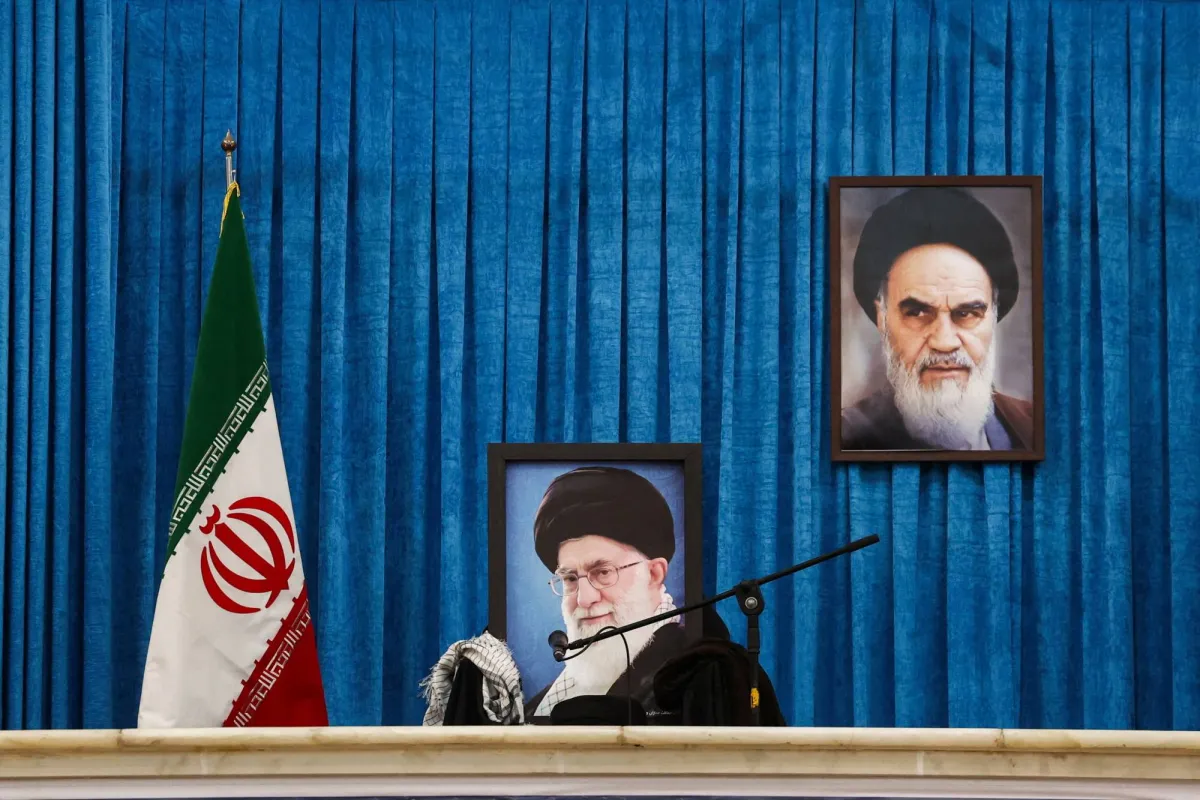
Mojtaba Khamenei, who was appointed as Iran's leader in early March, has not made a public appearance since then, raising concerns about his health and the extent of his actual authority. While Washington continues to assert that Khamenei is playing a more active role in governance and negotiations, the internal situation in Iran remains ambiguous.
U.S. President Donald Trump has stated that Khamenei is "fully engaged," after previously expressing doubts about his being alive. U.S. Secretary of State Marco Rubio also pointed to "indicators" suggesting an increased involvement of Mojtaba Khamenei in political matters.
Details of the Event
Since Mojtaba Khamenei took over as leader following his father's death on February 28, he has issued about 12 written statements, the latest being a sharp message against what he termed the "malicious enemy." The position of the leader is a fundamental pillar of the Iranian system, holding the final say in high-level policies.
Despite no photographs being published of meetings between Mojtaba Khamenei and Iranian officials, both Iranian President Masoud Bezhakian and Chief of Staff of the Armed Forces General Ali Abdollahi have confirmed they met with him. Reports indicate that Mojtaba and his office are playing a role within the mechanisms of the system, even if currently in the background.
Background & Context
Historically, Khamenei's father held extensive power for 35 years, making it challenging for Mojtaba to achieve the same level of influence. However, he appears to be close to significant figures in the "Revolutionary Guard," which may grant him some power in the future.
Power in Iran may now be distributed among an informal committee comprising leaders from the "Revolutionary Guard" and some prominent political figures, reflecting a shift in how power is exercised compared to the previous era. This distribution could affect Mojtaba's ability to consolidate his authority directly.
Impact & Consequences
Mojtaba Khamenei's repetition of anti-U.S. and anti-Israel rhetoric reflects the continuity of traditional Iranian policies. However, the question remains whether he will be able to effectively manage the rivalries within the system.
The challenges facing Mojtaba include the need to establish his authority amid a lack of clear popular support, alongside the political and economic pressures confronting Iran. These factors may impact the stability of the Iranian regime in the future.
Regional Significance
Mojtaba Khamenei's influence on regional politics could be significant, especially amid ongoing tensions with the United States and Israel. Any changes in Iranian leadership may affect relations with Arab countries, particularly those engaged in conflicts with Iran.
In conclusion, the future of Mojtaba Khamenei remains uncertain, as he must confront significant challenges to solidify his authority in a system characterized by complexity and internal competition.