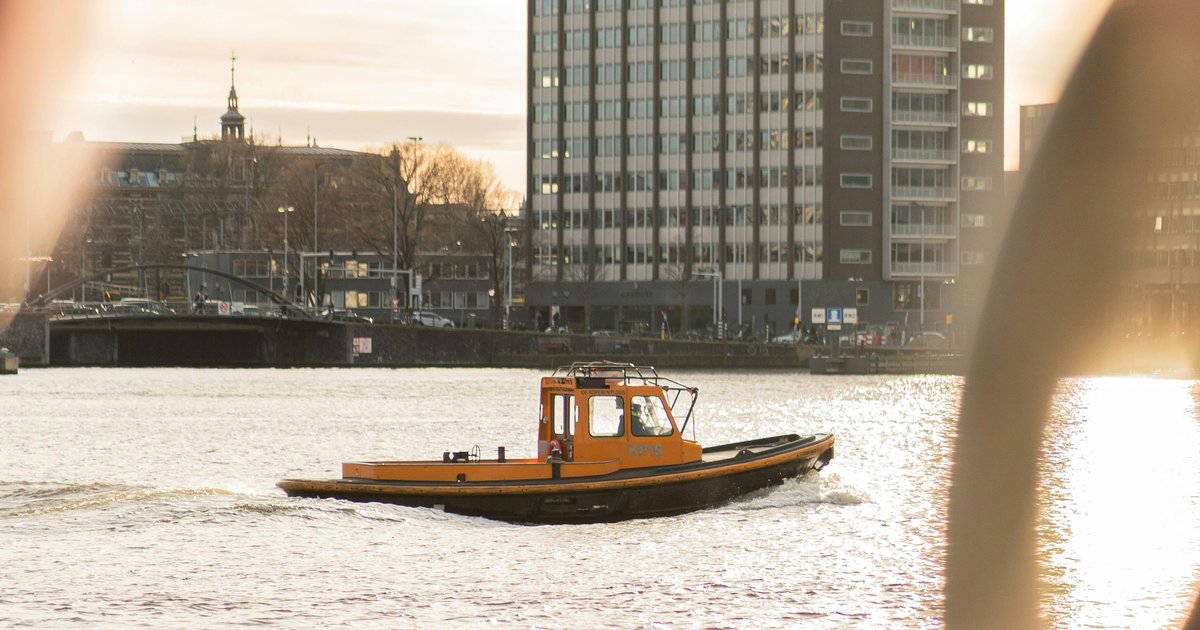
In a swift humanitarian move, the South Sumatra Water Police evacuated a fisherman named Mustafa (44) from his village of Obang Indok to a hospital in Palembang after he suffered from acute abdominal pain. The operation took place on Saturday, April 4, necessitating the use of a water ambulance to transport him to the hospital due to his critical health condition.
The incident began when the local health team received an emergency alert from a local caregiver indicating that Mustafa required urgent medical attention. Consequently, the Water Police immediately mobilized to the scene, where the patient was transported on a stretcher to the water ambulance equipped with medical facilities.
Details of the Incident
Upon receiving the alert, the Water Police team quickly moved to the incident site, where Mustafa was transferred to the water ambulance. Combs Pol Soni Hero Agung Nugroho, the director of the Water Police, noted that the operation was conducted smoothly and safely, utilizing the Musi River route to reach Palembang as quickly as possible.
Soni emphasized that the safety of citizens is the top priority for his team, which is prepared to handle such emergency situations. Mustafa was transported to the hospital where he received the necessary medical care.
Background & Context
Water ambulances are an innovative solution to address the challenges faced by coastal communities in remote areas, where access to traditional healthcare facilities is difficult. This service has been developed as part of the Water Police's efforts to provide rapid and effective medical services to citizens in regions suffering from inadequate healthcare infrastructure.
It is noteworthy that this is not the first time the Water Police have evacuated patients from remote areas, as they previously rescued ten crew members from a sunken vessel in the Musi River, reflecting their commitment to providing healthcare to local communities.
Impact & Consequences
This incident highlights the importance of providing effective and rapid medical services in remote areas, where lives can be at stake. The use of water ambulances represents a positive step towards improving healthcare in coastal communities and reflects the local authorities' commitment to meeting citizens' needs.
This initiative may also encourage the development of more innovative health services, such as floating clinics, which could address the needs of communities lacking access to healthcare.
Regional Significance
This experience serves as a model for Arab countries facing similar challenges in providing healthcare in remote areas. Arab nations can benefit from such initiatives to develop innovative health services that meet the needs of coastal and remote communities.
In conclusion, this incident demonstrates how innovation in delivering health services can make a significant difference in individuals' lives, underscoring the importance of investing in healthcare infrastructure in remote areas.