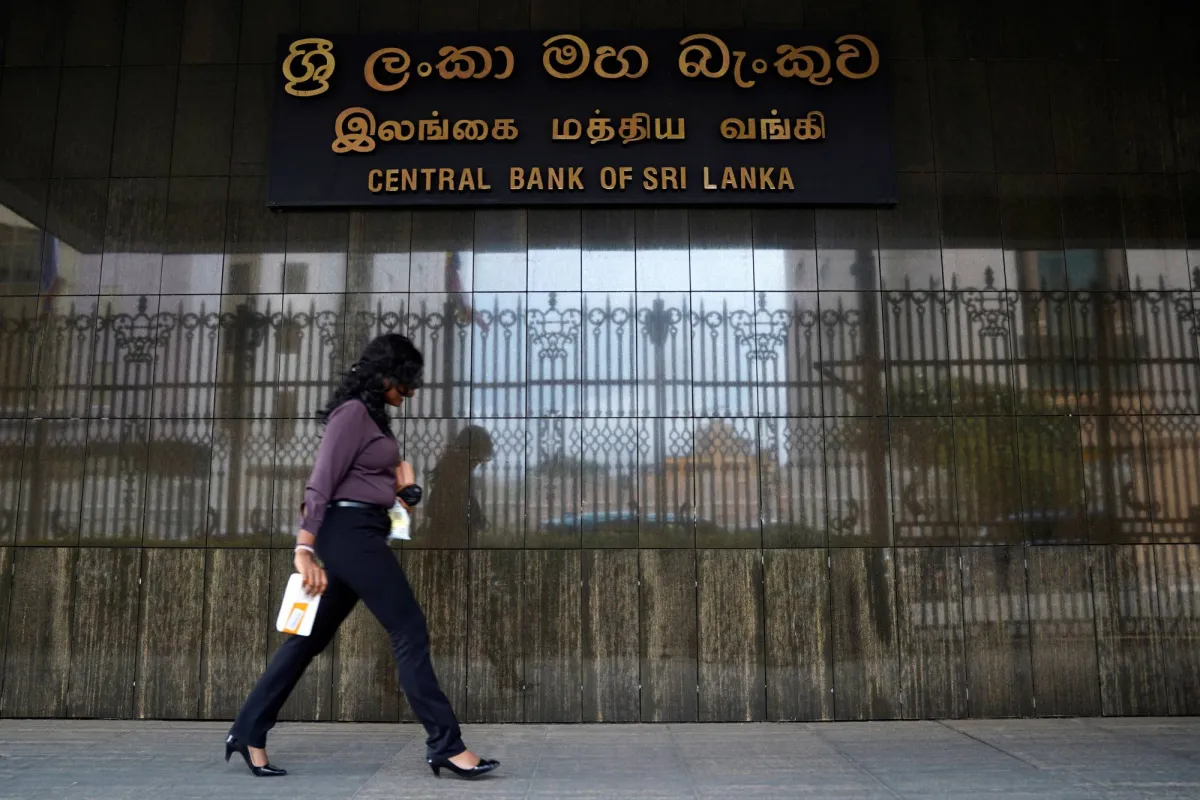
The fragile economic recovery in Sri Lanka, supported by the International Monetary Fund (IMF), faces real risks of stumbling into a phase of "excessive monetary tightening" following the Central Bank's decision to raise interest rates by 100 basis points. This sudden shift returns policymakers to a "crisis management mode" to protect dwindling foreign reserves amid escalating external pressures stemming from the global energy crisis.
The Central Bank of Sri Lanka's decision to raise interest rates—its first increase in over three years—brings the rate to 8.75% from 7.75%, at a time when authorities are racing against the clock to contain pressures on foreign currency reserves, which have fallen to $6.7 billion, enough to cover 3.8 months of imports, down from around $7 billion at the end of March.
Details of the Decision
This decline in reserves was driven by an increase in the fuel import bill due to a surge in global oil prices resulting from the war in Iran. These circumstances have prompted Colombo to implement a package of austerity measures, including a 40% hike in fuel prices and increased tariffs on vehicles, alongside energy rationing measures such as granting public sector employees mid-week holidays to reduce demand for foreign currency.
In light of these measures, financial research institutions have quickly revised down their growth forecasts for Sri Lanka's economy for 2026. The firm "First Capital" has lowered its growth expectations to a range of 2.5% to 3% instead of 3% to 4%, describing the move as an "overreaction" that could stifle credit and investment. Similarly, the financial research company "CAL" has adjusted its growth forecast down by about 100 basis points to settle at 3%, while Citibank has cut its growth estimate to 3.8%, warning that aggressive tightening will hinder the recovery momentum led by the tourism sector.
Background & Context
Historically, Sri Lanka has faced recurrent economic crises, the latest being in 2022 when the country encountered a balance of payments crisis. These crises are partly attributed to a heavy reliance on imports, making it vulnerable to fluctuations in global commodity prices. In this context, the decision to raise interest rates aims to restore confidence in the economy, but it may exacerbate economic conditions.
Under these circumstances, attention is now focused on Washington, D.C., where the IMF is holding a virtual press conference to announce the Executive Board's decision regarding the joint reviews of the economic reform program in Sri Lanka. This meeting represents a real test of Sri Lanka's commitment to the Fund's targets related to primary surplus and inflation control.
Impact & Consequences
Any decline or slowdown in implementing subsidy reforms could threaten fragile financial gains and delay the disbursement of international aid. This situation places Sri Lanka in a difficult position to balance between driving domestic growth and avoiding a return to a balance of payments crisis.
Observers warn that continued pressure on cash reserves could worsen economic conditions, negatively impacting the living standards of citizens. Additionally, any increase in interest rates may lead to a decline in both domestic and foreign investments, hindering recovery efforts.
Regional Significance
The economic situation in Sri Lanka serves as an example of the challenges faced by many developing countries in the Arab region. With rising prices of essential goods and inflationary pressures, these countries may find themselves in similar positions. It is crucial for Arab nations to learn from Sri Lanka's experiences to avoid future economic crises.
In conclusion, the situation in Sri Lanka remains under scrutiny, as current conditions necessitate decisive actions to ensure national economic stability and achieve sustainable recovery.