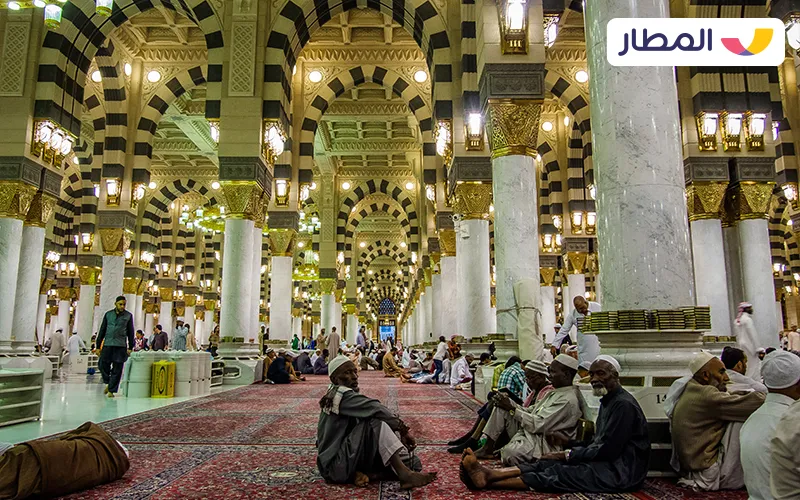
The Ramadan iftar tables in Medina are an ancient tradition that renews every year, bringing together family and friends to share a meal in an atmosphere of love and brotherhood. This custom is not merely about eating; it embodies the collective spirit that characterizes the blessed month of Ramadan.
Medina, home to the Prophet's Mosque, is one of the most prominent cities that uphold this tradition. The iftar tables serve as an opportunity to strengthen social ties among residents and visitors, making it a unique experience that reflects the values of generosity and hospitality.
Event Details
The iftar tables are set up in various neighborhoods across the city, where families and individuals prepare diverse dishes that include popular foods and traditional sweets. The dishes range from pastries, dates, and soups to main courses like kabsa and mandi, adding a special touch to the iftar meal.
These tables attract a large number of citizens and visitors, providing a chance to exchange stories and conversations, thereby enhancing relationships among individuals. Additionally, these events contribute to spreading the spirit of cooperation and solidarity within the community.
Background & Context
The roots of this tradition trace back to the early Islamic eras when Muslims would gather to break their fast after a long day of fasting. This custom has persisted through generations, becoming an integral part of Medina's cultural identity.
The Ramadan iftar tables coincide with many cultural and religious events held in the city during the holy month, contributing to the enhancement of religious tourism and attracting visitors from around the world.
Impact & Consequences
The Ramadan iftar tables in Medina serve as a model for enhancing social bonds, demonstrating how traditions can contribute to building a cohesive community. This practice also reinforces values of generosity and sharing, reflecting a positive image of Arab and Islamic culture.
Moreover, these events support the local economy, as people flock to purchase food items and ingredients necessary for preparing the dishes, boosting market activity and benefiting local traders.
Regional Significance
The Ramadan iftar tables in Medina are a role model for many Arab countries, promoting values of brotherhood and cooperation among individuals. They also help spread the culture of hospitality and generosity, strengthening ties between different communities.
This tradition illustrates how customs can enhance cultural identity and foster understanding among peoples, highlighting the importance of culture in building societies.
In conclusion, the Ramadan iftar tables in Medina remain a symbol of connection and love, reinforcing social bonds and expressing the values of generosity and hospitality that characterize Saudi society. As this tradition continues, new generations remain connected to their cultural roots, contributing to the preservation of the rich heritage of the city.