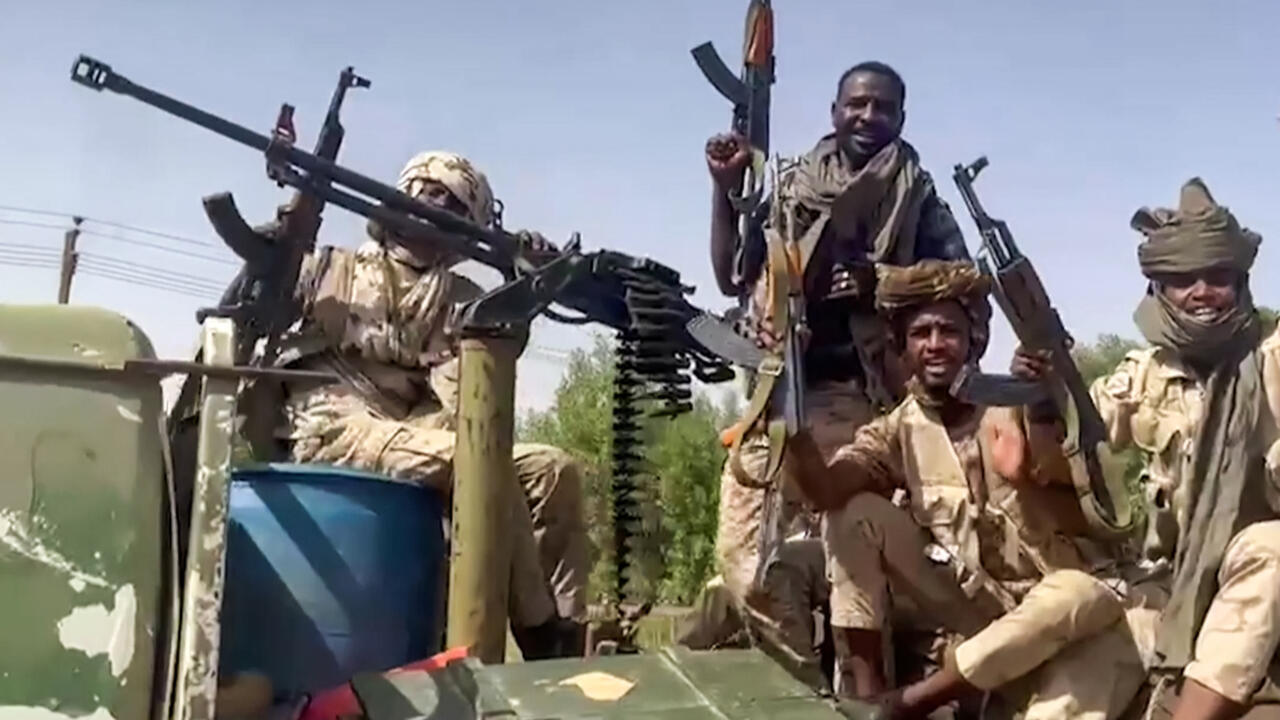
The Rapid Support Forces and the Sudan People's Liberation Movement – North announced on Tuesday that they have achieved notable military progress in the Blue Nile region, located in southeastern Sudan. The forces confirmed their control over the strategic city of Kurmuk, as well as the areas of Al-Barka and Al-Keili, which are situated along the border with Ethiopia. This advance follows what has been described as "fierce" battles with the Sudanese army and its allied forces, which lasted for several days.
This military escalation comes at a critical time for Sudan, as the government has warned of the repercussions of the ongoing conflict in the country. The fighting has resulted in the displacement of over 73,000 citizens, exacerbating the humanitarian situation in the region.
Details of the Event
The city of Kurmuk is considered a strategic point, representing an important crossing for resources and trade routes. Controlling it means strengthening the position of the Rapid Support Forces in the area, which could lead to a shift in the balance of power in the ongoing conflict between the various parties. These developments come at a sensitive time, as fears grow over the worsening humanitarian conditions due to the conflict.
In related reports, it has been confirmed that the clashes have resulted in casualties and injuries on both sides, further complicating the security situation in the region. Additionally, the mass displacement of residents raises concerns for humanitarian organizations striving to provide necessary assistance to those affected.
Background & Context
Historically, the Blue Nile region has experienced ongoing conflicts due to ethnic and political tensions. The Sudan People's Liberation Movement – North has been part of the broader conflict in Sudan, which has been ongoing for many years. The conflict in Sudan escalated following the outbreak of civil war in 2011, leading to the division of the country into two states: Sudan and South Sudan.
The Rapid Support Forces are one of the military groups that have formed in recent years and have played a significant role in the armed conflicts in the country. The increasing activity of these forces reflects the rising tensions between the Sudanese government and armed groups, complicating the security landscape in the country.
Impact & Consequences
The progress made by the Rapid Support Forces could lead to radical changes in the ongoing conflict in Sudan. Gaining control over new areas may strengthen their position in future negotiations, potentially altering the dynamics of the conflict. Furthermore, the mass displacement of populations could exacerbate humanitarian conditions, necessitating an urgent response from the international community.
The rising number of displaced individuals may place additional pressure on neighboring countries, particularly Ethiopia, which is hosting a large number of Sudanese refugees. This situation could worsen humanitarian crises in the region, calling for immediate international intervention.
Regional Significance
The situation in Sudan has direct implications for security and stability in the Arab region. The ongoing conflict may lead to an influx of refugees into neighboring countries, increasing the pressures on these nations. Moreover, the rising military activity in Sudan could affect relations between Arab and African countries, necessitating a reevaluation of these nations' foreign policies.
In conclusion, the situation in Sudan remains complex and fraught with challenges. The military advance of the Rapid Support Forces and the mass displacement of populations are indicators of escalating conflict, requiring urgent international attention to address the humanitarian and political crisis in the country.