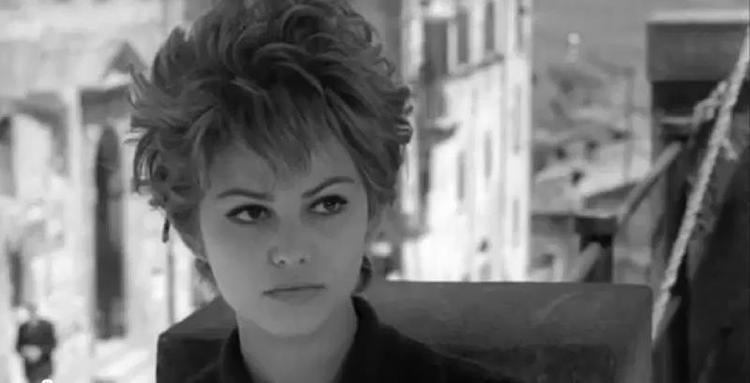
The classic Italian film 'Girl of Bube', directed by Ferdinando Comencini, has been re-released in Italian cinemas more than fifty years after its initial release. Launched in 1964, the film is considered one of the most significant cinematic works that provided a realistic portrayal of life in Italy after World War II, addressing issues of identity and love within a complex historical context.
The film revolves around the character Bube, portrayed by Claudia Cardinale, a young woman living in a small town who faces the challenges of daily life amid the social and political changes Italy experienced after the war. Cardinale's performance in this film is regarded as one of her most outstanding roles, as she effectively conveys the character's emotions with depth and realism.
Event Details
The film is considered a milestone in the history of Italian cinema, combining exceptional performances with a strong screenplay. George Chakiris, the American actor who participated in the film, added an international dimension to the work, contributing to its increased popularity. Its re-release comes at a time when there is a growing global interest in classic films, as many cinema enthusiasts seek to explore works that have shaped the history of the seventh art.
'Girl of Bube' is distinguished by its accurate depiction of daily life, making it a rich cinematic experience. The film also reflects the cultural and social changes that Italy underwent during that period, giving it significant historical importance.
Background & Context
Historically, Italy experienced a period of radical changes after World War II. There was a significant shift in social and political values, as women began to gain their rights and participate more actively in society. This historical context enhances the importance of the film 'Girl of Bube', as it demonstrates how women faced challenges in a rapidly changing society.
The film is also part of the Italian neorealism movement, which aimed to provide an honest portrayal of everyday life. This movement was a reaction against commercial cinema, as filmmakers sought to tell stories that reflected the social and economic realities of the country.
Impact & Consequences
The re-release of the film is an opportunity for a new generation of viewers to discover classic works that have shaped global cinema. Additionally, the film illustrates how art can reflect social changes and fosters dialogue about issues of identity and social rights.
The film is also a source of inspiration for many filmmakers and artists in the Arab world, showcasing how films can serve as a medium for expressing social and political issues. This influence extends to numerous Arab cinematic works that aim to present stories reflecting the realities of Arab societies.
Regional Significance
Considering the impact of the film 'Girl of Bube', it can be said that it enhances the importance of cinema as a means of expressing social issues. In the Arab world, where many films address issues of identity and rights, the Italian film can be viewed as a model to emulate.
Moreover, the re-release of the film may encourage Arab filmmakers to explore similar themes, contributing to the enhancement of cultural dialogue between East and West. Cinema is seen as a bridge for communication between cultures, and 'Girl of Bube' demonstrates how art can express shared human experiences.
In conclusion, the re-release of 'Girl of Bube' is a significant event in the world of cinema, reviving memories of an important historical period and encouraging dialogue about issues of identity and rights. This film exemplifies how art can articulate social changes and enhance our understanding of the world around us.