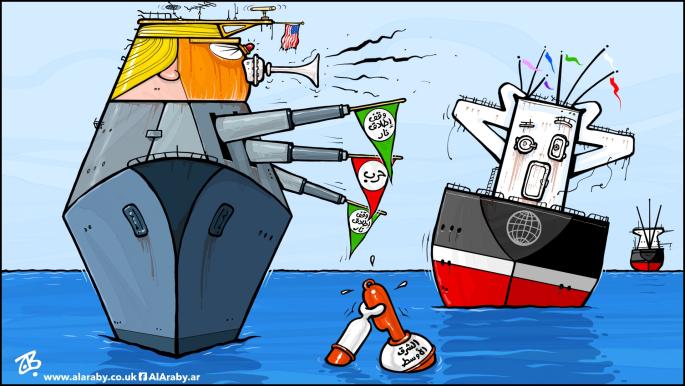
Contemporary wars extend beyond mere conflict resolution; they aim to rearrange positions within a complex global network. Economic factors are key drivers behind silent international and regional projects.
In recent years, we have witnessed a shift in the nature of wars, which are no longer limited to traditional military conflicts. They now include economic and political struggles aimed at reshaping global influence. These conflicts intertwine with issues such as global trade, investments, and natural resources, making them increasingly complex.
Details of the Event
These new dynamics involve multi-party conflicts, where major powers seek to enhance their influence through sophisticated economic strategies. For instance, China and the United States are competing for economic dominance in various regions, impacting both regional and international stability.
Furthermore, international organizations play a crucial role in these conflicts, striving to balance diverse interests. Recent events have shown that economic wars can be more impactful than military ones, leading to radical changes in international relations.
Background & Context
Historically, wars were fought over land and resources, but with the evolution of the global economy, it has become clear that control over markets and economic resources can be a primary driver of conflict. In this context, we can see how modern wars require multi-dimensional strategies that encompass economic, political, and social aspects.
We have also observed how economic crises can escalate political tensions, increasing the likelihood of conflicts. For example, financial crises in certain countries have led to internal disturbances and conflicts with neighboring states.
Impact & Consequences
The repercussions of these wars extend beyond their immediate impact on the involved countries; they also affect the global economy. As conflicts intensify, the risks to global markets increase, leading to fluctuations in the prices of goods and services.
Additionally, these dynamics influence international relations, leading to the formation of new alliances and the dissolution of others. This shift in relationships can result in instability in certain regions, necessitating a coordinated international response.
Regional Significance
In the Arab region, these dynamics can be more pronounced, as economic conflicts intertwine with political and social issues. Arab countries face significant challenges amid these conflicts, requiring effective strategies to address the crises.
Moreover, these conflicts can impact foreign investments in the region, complicating the economic situation further. Therefore, it is crucial to have a clear vision to tackle these challenges to achieve stability and sustainable development.
In conclusion, it is evident that modern wars are no longer just military conflicts; they now encompass complex economic dimensions. This necessitates that countries be more aware and prepared to deal with these new dynamics to ensure their stability and security.