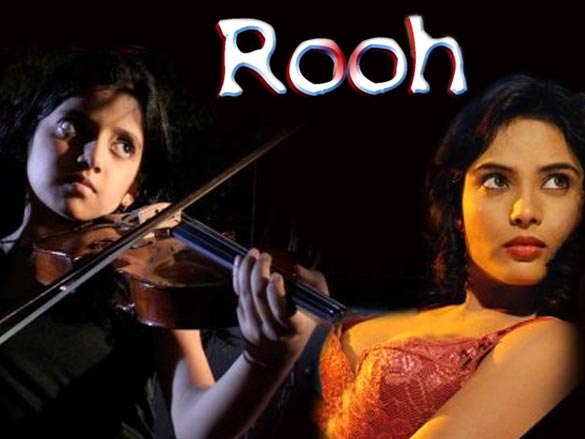
Egyptian director Nidaa Al-Sabki has disclosed the true reasons behind the suspension of the film 'Halaweat Rouh' after 13 years since its production. She explained that societal and political pressures played a significant role in this decision.
The film 'Halaweat Rouh', produced in 2014, sparked widespread controversy upon its release, as it was banned in many Arab countries due to its bold content. Despite this, the film achieved relative success in some markets, making it a topic of discussion regarding freedom of expression in Arab cinema.
Details of the Event
In her recent statements, Nidaa Al-Sabki confirmed that the film faced severe criticism from certain religious and social circles, leading to pressures on the authorities responsible for its screening. She pointed out that these pressures were behind the decision to halt its showing, even though the film reflected important social issues.
She also clarified that censorship of artistic works in the Arab world remains a significant challenge for many directors and writers, as many strive to present works that reflect reality without constraints.
Background & Context
'Halaweat Rouh' is considered one of the cinematic works that has generated considerable controversy in recent years, addressing sensitive topics related to women and society. The film was produced during a period when Egypt underwent significant political and social changes, complicating the artistic landscape.
The film stars Haifa Wehbe and was filmed in several locations in Egypt, adding an aesthetic dimension to the work. However, the artistic success was not enough to overcome the obstacles the film faced during its screening phases.
Impact & Consequences
The suspension of 'Halaweat Rouh' reflects the challenges faced by Arab cinema in expressing societal issues. The film was not merely an artistic work but served as a mirror reflecting social and cultural changes in Egypt.
This decision raises questions about freedom of expression in art and the extent to which directors can present works that reflect reality without fear of censorship or criticism. This matter is a sensitive issue in many Arab countries, where censorship continues to play a significant role in determining what can be shown to the public.
Regional Significance
The halting of 'Halaweat Rouh' may have wide-ranging effects on Arab cinema in general, potentially leading to a decline in boldness when addressing sensitive topics. This could impact the ability of directors and writers to produce works that authentically express societal issues.
Cinema is considered one of the most important means of cultural expression, and the suspension of bold works may limit artistic diversity and affect the cultural scene in the region. Therefore, the need to support freedom of expression in art remains urgent.
In conclusion, the case of 'Halaweat Rouh' exemplifies the challenges faced by Arab cinema and highlights the importance of dialogue regarding freedom of expression and the role of art in society.