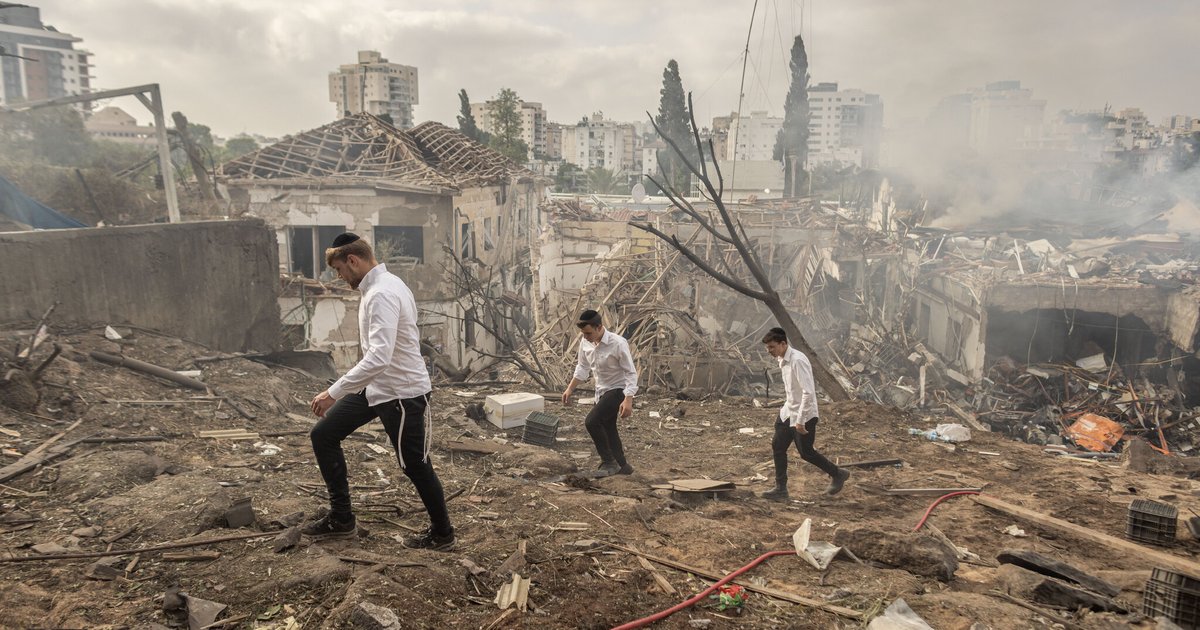
The war in Iran compels global economic elites to reevaluate their strategies in response to a series of persistent economic shocks that show no signs of abating. Concerns are rising about the impact of these shocks on global economic stability, prompting economic leaders to consider how to manage these successive crises.
Reports indicate that ongoing conflicts in the region, particularly in Iran, are directly affecting global markets, creating a state of uncertainty in the world economy. Under these circumstances, the economic elite find themselves forced to think deeply about how to address the increasing challenges.
Details of the Event
Economic crises are unfolding around the world, with the war in Iran exacerbating the situation. The conflicts have led to rising oil and gas prices, which have impacted production and transportation costs across many sectors. Additionally, political instability in the region complicates matters, making it difficult for major companies to make clear strategic decisions.
There is mounting pressure on governments and large corporations to develop flexible strategies capable of adapting to these changing conditions. At the same time, investors must exercise greater caution in their decisions, as any misstep could lead to significant losses.
Background & Context
Historically, Iran has been a center of political and economic conflicts in the Middle East, having witnessed numerous disputes that have affected the region's stability. Since the Islamic Revolution in 1979, Iran has become a focal point for many crises, leading to international economic sanctions that have negatively impacted its economy.
In recent years, tensions between Iran and the United States have escalated, further worsening economic conditions. These tensions have not only affected Iran but have also extended their effects to neighboring countries and global markets, making it difficult for the global economic elite to ignore these crises.
Impact & Consequences
Many economic institutions predict that the war in Iran will lead to increased volatility in global financial markets. Rising oil prices could result in greater inflation in many countries, placing additional pressure on governments to address these challenges. Furthermore, instability in the region may affect foreign investment flows, complicating the economic situation further.
Moreover, these crises could lead to changes in global economic policies, as countries may seek to enhance economic cooperation among themselves to tackle shared challenges. Major companies may also need to reassess their supply chains to mitigate risks associated with conflicts.
Regional Significance
Arab countries neighboring Iran are among the most affected by the repercussions of the war. The rise in oil prices may have a dual impact, potentially increasing revenues in some countries while also causing economic pressures in others that rely on energy imports.
Furthermore, the ongoing crises in Iran could heighten political tensions in the region, affecting stability in countries like Iraq, Syria, and Lebanon. Therefore, the Arab economic elite need to consider how to address these challenges to ensure the stability of their economies.
In conclusion, the war in Iran illustrates how economic crises are not merely local events but have global ramifications that require a coordinated response from the global economic elite. Leaders must contemplate new strategies to confront these escalating challenges.