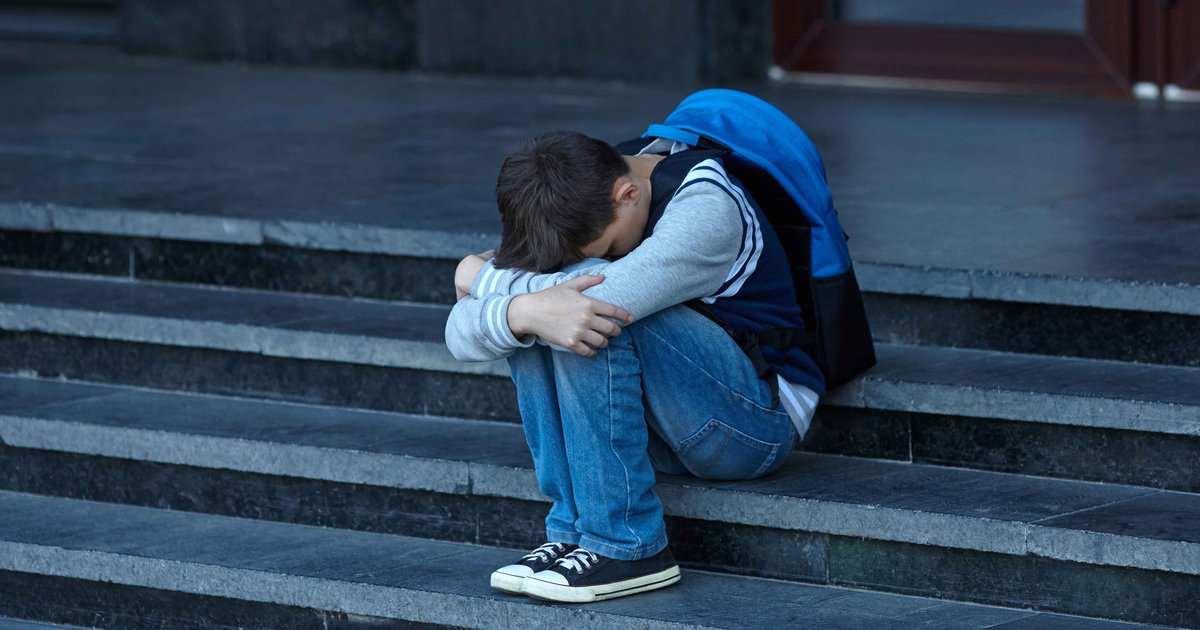
Behavioral changes in teenagers can indicate depression, significantly impacting their daily lives. Early recognition of these signs is crucial for providing necessary support.
Studies indicate that depression is one of the most common mental disorders among teenagers, with prevalence rates ranging from 10% to 20% in this age group. Notable signs to watch for include sudden behavioral changes, such as social withdrawal and loss of interest in activities that previously excited them.
Details of the Issue
Other signs of depression in teenagers include changes in sleep patterns, whether through increased sleep or insomnia, along with changes in appetite and weight. Teenagers may also exhibit signs of anxiety and stress, affecting their academic performance and social relationships.
It is important for parents and teachers to recognize these signs, as careful monitoring can help determine if a teenager needs psychological assistance. In some cases, depression may result from social or academic pressures, necessitating prompt intervention.
Background & Context
In recent years, rates of depression among teenagers have significantly increased, raising concerns among mental health experts. Research suggests that social and economic factors play a significant role in the prevalence of this phenomenon, as many teenagers face increasing pressures due to academic competition and social changes.
Moreover, social media has contributed to heightened feelings of loneliness and isolation among teenagers, increasing the risk of depression. Therefore, it is essential to raise awareness about these issues and provide appropriate psychological support.
Impact & Consequences
Depression affects teenagers in multiple ways, potentially leading to deteriorating academic performance, increased reckless behaviors, and even suicidal thoughts in severe cases. Thus, recognizing the signs of depression and early intervention can save the lives of many teenagers.
Furthermore, depression does not only affect the teenagers themselves but also extends its impact to their families and friends, requiring the entire community to work towards providing a supportive and healthy environment.
Regional Significance
Arab countries face significant challenges in mental health, as many communities still lack adequate awareness regarding depression and mental health issues. Therefore, it is crucial to enhance mental health education in schools and provide the necessary resources for assistance.
Governments and local communities must also work to provide psychological support services for teenagers, including establishing counseling centers and offering awareness programs for families on how to address these issues.
In conclusion, we must all be aware of the signs of depression in teenagers and work together to provide the necessary support and assistance. Mental health is not just an individual issue; it is a collective responsibility that requires solidarity and cooperation.