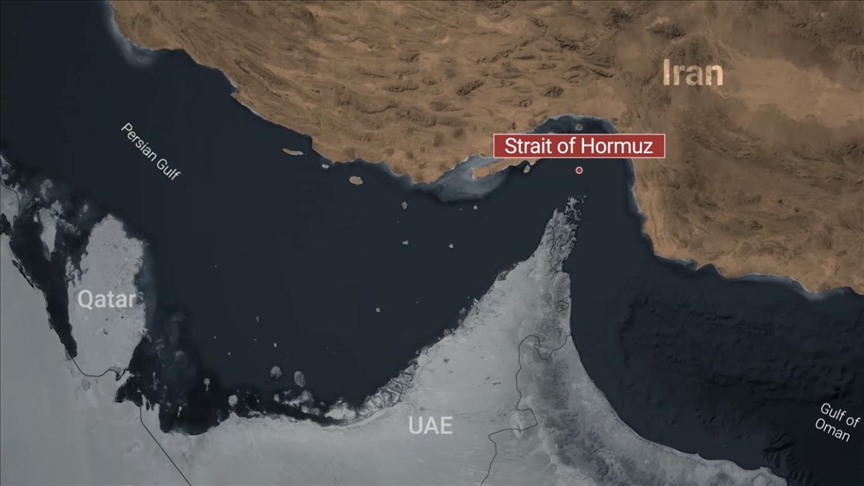
The Strait of Hormuz, considered one of the most important waterways in the world, experienced active shipping traffic in March, with a total of 220 ships crossing. Reports indicate that liquid tankers dominated this traffic, constituting approximately 51% of the total ship movements in this strategic strait. Meanwhile, no liquefied natural gas crossings were recorded during this period, raising questions about the impact on the global energy market.
Shipping activity in the Strait of Hormuz serves as a vital indicator of commercial and economic activity in the region, as about 20% of the world's total seaborne oil passes through it. This figure reflects the strait's significance in securing global energy supplies, especially amid ongoing geopolitical tensions in the area.
Details of the Event
According to MarineTraffic reports, shipping traffic in the Strait of Hormuz saw a notable increase, with 220 ships crossing in March. The data shows that liquid tankers, which include oil and chemicals, were the most utilized, reflecting the ongoing demand for these materials in global markets.
Despite the increase in shipping activity, the absence of liquefied natural gas crossings may indicate a decline in demand or changes in transportation strategies. Liquefied natural gas is a vital energy source, and its absence from crossing traffic could have implications for prices and markets.
Background & Context
The Strait of Hormuz is a crucial transit point connecting the Arabian Gulf with the Indian Ocean and is recognized as one of the world's most significant waterways. Historically, the strait has witnessed numerous tensions and conflicts, particularly amid regional disputes and tensions between major powers. In recent years, its importance has grown with the increasing global reliance on oil and natural gas.
Iran is one of the key countries surrounding the strait and has played a significant role in determining shipping movements through its maritime policies. In recent years, the region has seen a rise in tensions between Iran and the United States, which has impacted trade flows in the strait.
Impact & Consequences
Shipping activity in the Strait of Hormuz is an indicator of the health of the global economy, reflecting demand for oil and natural gas. The increase in liquid tanker movements may suggest a recovery in energy demand, while the absence of liquefied natural gas could indicate a decline in demand or shifts in transportation strategies.
Moreover, any changes in shipping movements through the strait could affect global oil prices, which may impact oil-dependent economies in the region. Ongoing tensions in the area could also increase risks to trade movements, necessitating careful monitoring by investors and policymakers.
Regional Significance
The shipping activity in the Strait of Hormuz holds particular importance for Arab countries, many of which rely on oil and gas exports. Any changes in crossing traffic could directly impact Arab economies, especially in Gulf states that are among the largest oil producers in the world.
Amid geopolitical tensions, securing shipping movements through the strait is vital to ensuring market stability. Therefore, any developments in this context should be closely monitored by Arab nations to ensure the continuity of their exports and protect their economic interests.