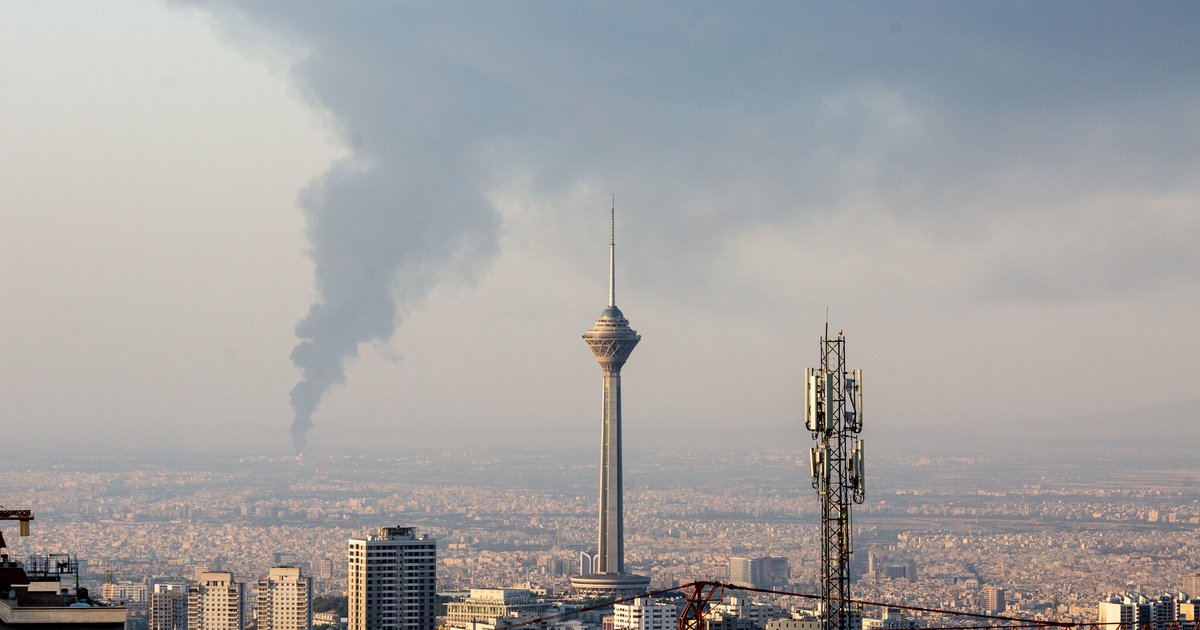
The escalation of political and military tensions in Iran has had significant negative impacts on global financial markets, with up to $12 trillion wiped off the total market value in just one month. These events are considered among the most impactful in market history, raising questions about the appropriate strategies to navigate these volatile conditions.
In this context, Dina Ting, head of global index portfolio management at Franklin Templeton, emphasized that diversification is key to navigating this "crazy" period. Diversification is regarded as a fundamental strategy that can help investors mitigate risks associated with sharp fluctuations.
Details of the Event
The tensions in Iran, which include escalating military conflicts and mutual threats, have led to a state of uncertainty in the markets. This situation has prompted investors to make quick decisions, contributing to this record decline. Moreover, the swift reactions from governments and central banks were insufficient to contain this downturn.
Financial markets around the world have experienced sharp declines, with major stock indices being significantly affected. Many investors have turned to safe assets like gold and government bonds, reflecting a general sense of anxiety about the economic future.
Background & Context
Historically, tensions in the Middle East have significantly impacted global markets. Military conflicts and political disputes often lead to fluctuations in oil prices, which in turn affect the global economy. For instance, in 2008, the global financial crisis resulted in a substantial market downturn due to instability in the Middle East.
Now, with the rising tensions in Iran, it seems history is repeating itself. The current tensions are not new, but they come at a sensitive time as the global economy seeks to recover from the impacts of the COVID-19 pandemic.
Impact & Consequences
The consequences of this significant drop in market value could be far-reaching. These fluctuations may increase uncertainty among investors, potentially affecting future investment decisions. Additionally, companies that rely on financial markets for capital raising may find it increasingly difficult to secure necessary funding.
Furthermore, these conditions may increase pressure on governments and central banks to take swift action to support the economy. We may witness greater interventions from central banks in an attempt to restore confidence in the markets.
Regional Significance
For the Arab region, tensions in Iran could lead to both direct and indirect effects. Neighboring countries may experience heightened security tensions, which could impact investments and tourism. Additionally, oil prices may be significantly affected, which could reflect on the economies of oil-producing countries in the region.
Ultimately, the current situation requires investors and analysts to be more cautious, and everyone must adopt effective diversification strategies to navigate these challenging times.