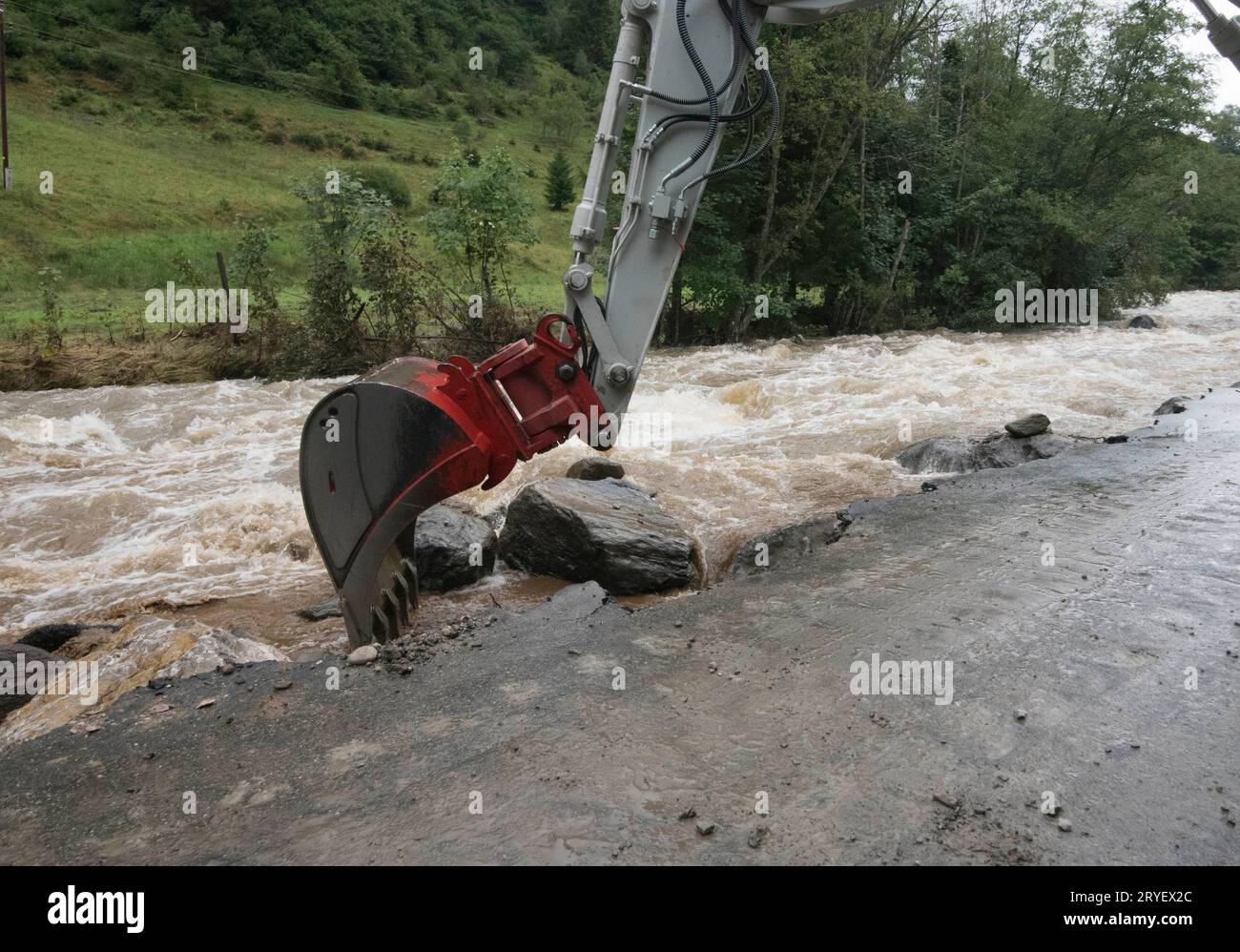
Five regions around the world experienced heavy rainfall exceeding 226 mm in a single day, leading to fears of flooding and its impact on local communities. This climate phenomenon raises questions about how climate change is affecting global weather patterns.
The heavy rains that fell in these areas were not just a passing event but were a result of ongoing climate changes affecting weather patterns. Significant amounts of rainfall were recorded in various regions, reflecting the environmental challenges faced by many countries.
Details of the Event
The heavy rainfall was distributed across five main regions, each recording varying amounts of precipitation. These large quantities of rain led to flooding in some areas, affecting the daily lives of residents. Some roads and schools were closed due to these severe weather conditions.
This heavy rainfall comes at a sensitive time, as many countries are suffering from the effects of climate change, which intensifies flooding and hurricanes. Reports have shown that these weather phenomena may be linked to rising global temperatures, leading to increased evaporation and cloud formation.
Background & Context
Historically, many areas around the world have witnessed notable climate changes, with floods and heavy rains becoming more common. For instance, countries like India and Brazil have experienced significant flooding in recent years, impacting local economies and infrastructure.
These phenomena are part of an increasing global pattern, as studies indicate that climate change directly affects weather patterns, leading to more intense and frequent extreme weather events.
Impact & Consequences
Heavy rainfall affects communities in multiple ways, as it can lead to property destruction, disruption of essential services, and increased health risks. Flooding can also result in population displacement, putting additional pressure on local resources.
Moreover, these climate phenomena impact the local economy, as agriculture is threatened by flooding, leading to crop shortages and rising prices. This, in turn, affects food security in many areas.
Regional Significance
In the Arab region, climate change is an increasing concern, with many countries facing water shortages and drought. However, sudden flooding may become more common, necessitating effective responses from governments and communities.
Arab countries need to develop effective strategies to adapt to climate changes, including improving infrastructure to cope with flooding and enhancing community awareness about the importance of environmental conservation.