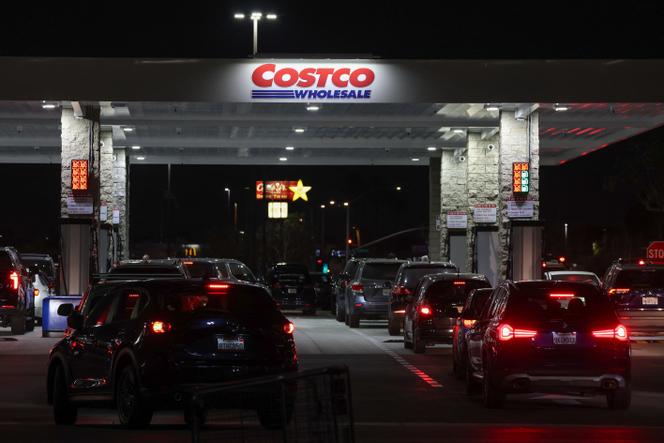
The United States has witnessed a notable rise in the Consumer Price Index during April, with an increase of 3.8% compared to the same month last year. This rise comes at a time when the country is grappling with the repercussions of the ongoing conflict in Iran, which has led to a substantial increase in energy prices, directly affecting living costs.
According to data released by the U.S. Bureau of Labor Statistics, energy prices rose by 3.8% in April, following an unprecedented jump of 10.9% in March. Additionally, food prices increased by 3.2% year-on-year, after a period of stability in March. Excluding energy and food prices, the core price index recorded an annual increase of 2.8%, indicating persistent inflationary pressures in the U.S. economy.
Details of the Inflation Surge
The data shows that rental prices stabilized at 3.3%, while healthcare costs rose by 3.2% and transportation costs by 4.3%. Notably, used car prices have seen a significant decline, as high fuel prices have led to a drop in traditional car sales.
The U.S. administration is actively seeking solutions to alleviate the effects of this price increase, as concerns grow in the White House regarding the impact of these figures on the U.S. economy. With the ongoing conflict in Iran, it appears that the costs of war are significantly affecting the lives of American citizens, increasing pressure on the government.
Background & Context
Historically, the United States has experienced periods of high inflation, often linked to military conflicts or economic crises. The conflict in Iran, which began several years ago, has escalated tensions in the region, affecting oil and gas prices, and consequently the U.S. economy. These economic dynamics are not new, but they require a swift response from policymakers.
Impact & Consequences
This increase in inflation serves as an indicator of larger challenges facing the U.S. economy, as it could lead to a reduction in consumers' purchasing power. Under these circumstances, the government may be forced to take stringent measures, such as raising interest rates, which could negatively impact economic growth. Furthermore, rising prices could lead to an increase in poverty rates, as many Americans struggle to meet their basic needs. This situation could provoke public discontent, affecting political and social stability in the country.
Regional Significance
The implications of rising inflation extend beyond the U.S. borders, influencing global markets and economic relations. As the U.S. grapples with these inflationary pressures, other countries may feel the ripple effects, particularly those that rely on American economic stability. The interconnectedness of the global economy means that decisions made in Washington can have far-reaching consequences.
In conclusion, the current inflationary trend in the United States is a critical issue that warrants close attention from both policymakers and citizens alike. The ongoing conflict in Iran and its economic repercussions necessitate a proactive approach to ensure stability and growth in the U.S. economy.