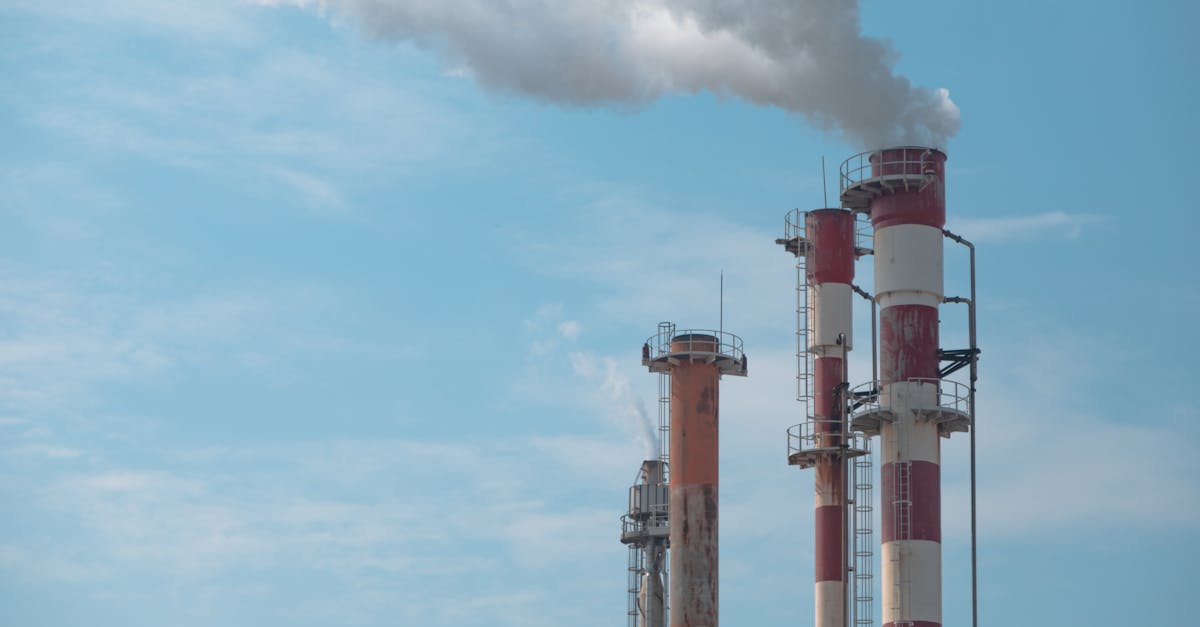
Recent reports indicate a record depletion of oil inventories, raising concerns that the world may exceed the energy consumption red line by June. Experts suggest that this depletion could lead to a sharp rise in oil prices, impacting the global economy significantly.
Data shows that oil inventories have decreased notably, reaching levels not seen in years. This decline comes at a time when global demand for oil is experiencing a remarkable increase, further intensifying pressure on supplies.
Details of the Situation
Statistics reveal that oil inventories in the United States, for instance, have dropped by as much as 10% in recent months. This decline reflects increased demand from major countries, such as China and the United States, which are striving to boost their economic growth following the COVID-19 pandemic.
Analysts have also pointed out that geopolitical tensions in regions like the Middle East and Eastern Europe may further exacerbate this crisis. As conflicts escalate, oil supplies could be affected even more, heightening the severity of the situation.
Background & Context
Historically, oil markets have experienced significant fluctuations due to political and economic events. In 1973, the oil embargo imposed by Arab nations led to unprecedented oil price increases. Today, it seems the world is facing similar challenges, with growing fears of supply shortages.
Moreover, climate change and environmental policies may play a role in shaping the future of oil markets. As pressures mount to transition to more sustainable energy sources, countries may find themselves in a difficult position between the need for oil and adherence to environmental standards.
Impact & Consequences
If the depletion of oil inventories continues, it could lead to rising fuel prices, affecting transportation and production costs worldwide. This situation may negatively impact inflation and increase economic pressures on households and businesses.
Additionally, financial markets could be significantly affected, as rising oil prices may lead to volatility in stock and bond prices. Investors around the globe are closely monitoring the situation, as these developments could influence their investment strategies.
Regional Significance
For Arab countries, the depletion of oil inventories may have a dual impact. On one hand, oil-producing nations could benefit from rising prices, boosting their revenues. On the other hand, oil-importing countries may face greater economic challenges due to increased energy costs.
This situation could also lead to heightened tensions between producing and importing countries, as each side seeks to protect its economic interests. Ultimately, international coordination is required to ensure the stability of oil markets and avoid future crises.
In conclusion, the depletion of oil inventories and warnings of exceeding the red line serve as a call to reflect on the future of energy in the world. Countries must take proactive steps to ensure the sustainability of supplies and mitigate negative impacts on the global economy.