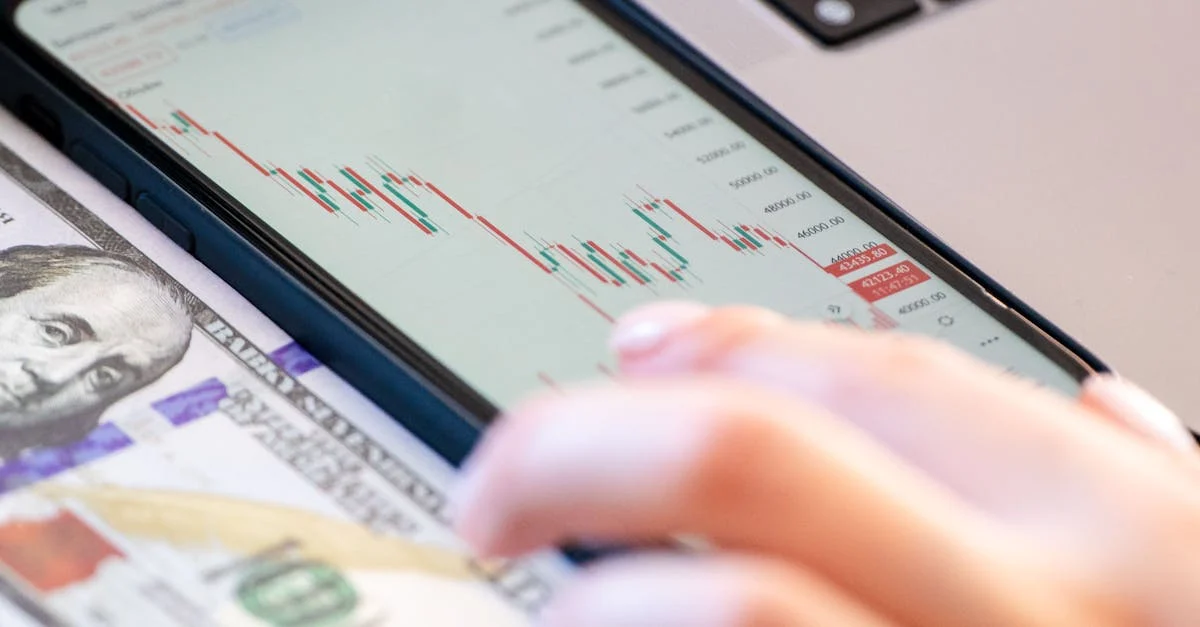
The US financial markets are currently witnessing a notable increase in stock prices, prompting questions about the sustainability of this trend. Reports indicate that this rapid price rise has created a volatility dynamic that has only been observed four times in financial history. The S&P 500 index has continued to rise by 7% since mid-April, despite market fluctuations remaining under control.
According to an analysis by Goldman Sachs, implied volatility in the S&P 500 and Nasdaq-100 indices has remained stable, suggesting that traders are aggressively buying call options on high-performing stocks. There is also widespread hedging by traders who see the current volatility as a relative value compared to implied volatility in popular sectors such as technology.
Event Details
Data shows that the relationship between the Nasdaq 100 index and the price of one-month call options is positive, a phenomenon that has occurred only four times in the past decade. Typically, the average return following these positive correlations is around 2.7% in the following month, compared to an average monthly return of 1.5% during the studied period. Brian Garrett from Goldman wrote in a client note titled "The Sudden Surge" that markets have risen significantly in the past month, although some market participants believe this could fuel a potential correction; however, the data does not support this view.
The current relationship, which stands at approximately 0.4, is the highest since January 2017, which may indicate further potential upward movement. The year 2017 was the calmest year in financial market history, with the VIX index hitting an all-time low of 8.56 in November of that year, while the S&P 500 recorded a 20% increase and Nasdaq a 32% rise.
Background & Context
Despite the current increases, there are warnings that the next quarter may witness severe volatility, similar to the first quarter of 2018 known as "Volmageddon," where the VIX index surged to 50 and volatility-focused ETFs experienced a significant collapse. This highlights the importance of closely monitoring the markets, as dynamics can change rapidly.
Historically, US financial markets have experienced significant volatility, often linked to major economic events or financial crises. However, the current rises come at a time when the US economy is showing remarkable recovery after the COVID-19 pandemic, increasing optimism among investors.
Impact & Consequences
These dynamics in the financial markets are significant not only for US investors but also for global markets. Any major fluctuations in US markets can impact financial markets worldwide, including Arab markets. Additionally, rising stock prices can influence investment decisions in the region.
At the same time, these dynamics may lead to increased investments in technology and industrial sectors, potentially contributing to enhanced innovation and economic growth. However, investors must remain cautious of potential risks arising from sudden volatility.
Regional Significance
In the Arab region, these dynamics in US markets can affect foreign direct investments, as investors seek to capitalize on available opportunities. The rise in US stocks may also encourage increased investments in technology sectors in Arab countries, contributing to economic growth.
In conclusion, the question of how sustainable this rise in US markets remains open, as investors must carefully monitor economic data and political developments. Understanding these dynamics can aid in making informed investment decisions in the future.