Foreign investments in India have recorded a historic withdrawal of $12 billion during March, significantly impacted by the ongoing war in Iran. This withdrawal occurs at a time when the Indian economy is experiencing increasing pressures due to rising energy costs, heightening concerns about economic growth slowdown.
With only two days left in the month, foreign investors have pulled out more than 1.12 trillion rupees (approximately $12.1 billion), potentially making this month the worst in the history of the Indian market, surpassing the previous record set in October 2024.
Details of the Event
Piyush Mittal, portfolio manager at Matthews Asia, reported that the significant outflows of foreign investments in March 2026 are linked to the conflict in the Middle East. He noted that the continuation of the dispute would lead to deeper negative impacts on India's economic growth.
The Purchasing Managers' Index (PMI) released by HSBC showed a decline in activity in the Indian private sector to its lowest level since October 2022, as the drop in domestic demand outweighed the increase in international orders. Many companies indicated that the conflict in the Middle East, unstable market conditions, and rising inflationary pressures were negatively affecting growth.
Background & Context
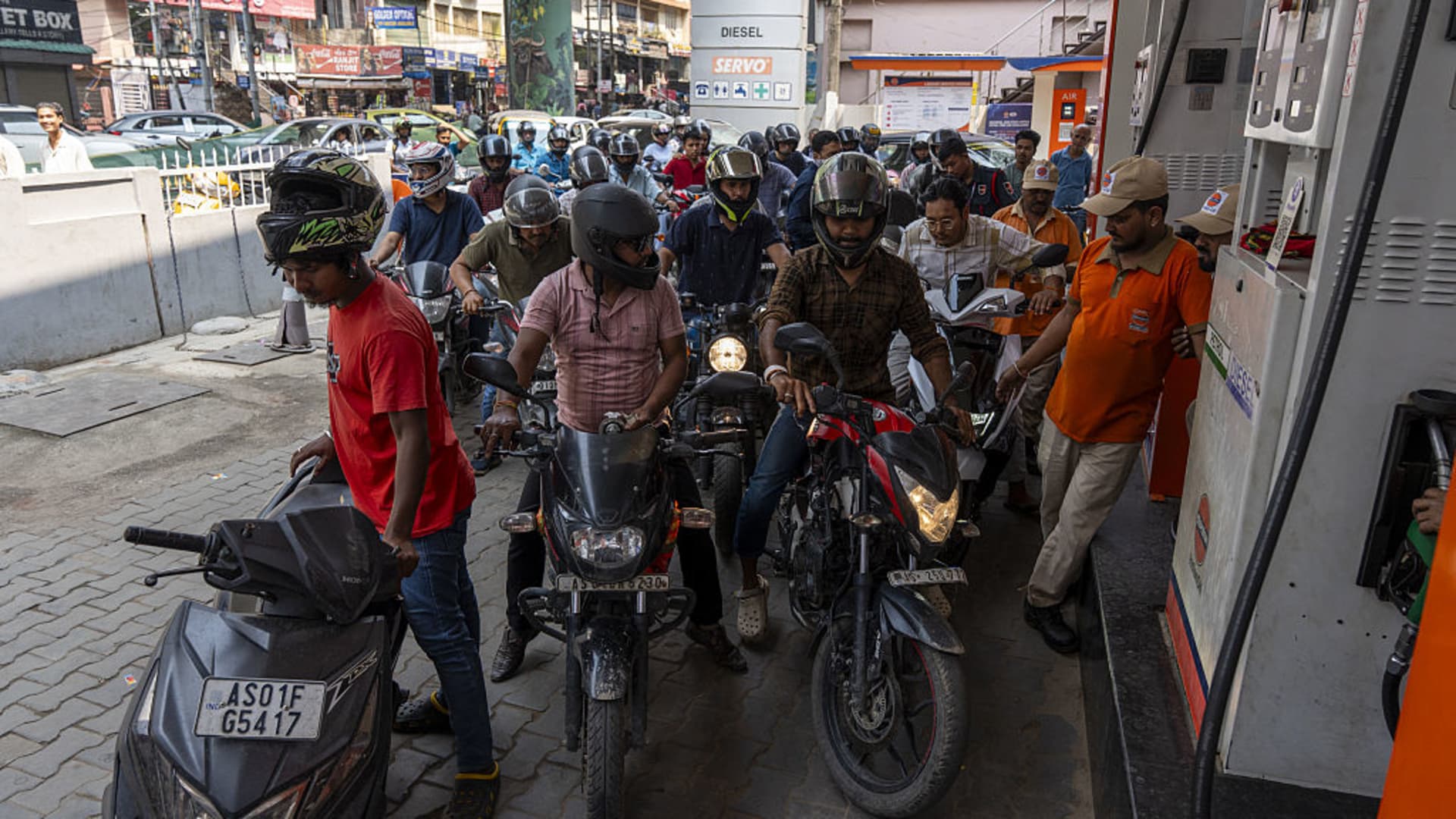
India is the world's third-largest oil importer and the second-largest consumer of liquefied natural gas, making it particularly vulnerable to fluctuations in energy prices. With oil prices rising due to the conflict in Iran, experts predict a significant increase in energy bills, which could impact economic growth.
Estimates suggest that oil prices may stabilize between $85-$95 per barrel after the conflict ends, potentially leading to additional inflows of $40-$50 billion, representing over 1% of India's GDP. This could reduce the economic growth rate from 7.2% to 6.5%.
Impact & Consequences
Hanna Luchnikava-Shursh, head of the economics department at S&P Global Market Intelligence, expects that rising energy bills and a slowdown in remittances from the Middle East will widen India's current account deficit and fiscal deficit. She also warned that capital flows may increase due to global 'risk-off' sentiment and investor concerns regarding economic growth in India.
Over the past month, the Nifty 50 index has fallen by about 7.4%, while the value of the rupee has sharply declined against the dollar, hitting record lows. Despite interventions by the Reserve Bank of India, experts expect the currency to remain under pressure due to ongoing disruptions in energy markets.
Regional Significance
The conflict in Iran directly impacts the Arab region, as many Arab countries are among the largest oil importers. Consequently, rising oil prices may lead to increased energy costs in these countries, potentially affecting economic growth and financial stability.
At the same time, Arab countries that rely on remittances from Indian labor may experience negative impacts due to the slowdown in India, which could affect the flow of funds to their nations.
The withdrawal of foreign investments from the Indian market due to the conflict in Iran highlights the interconnectedness of global economies and reflects how geopolitical events can influence financial markets and economic growth in developing countries.