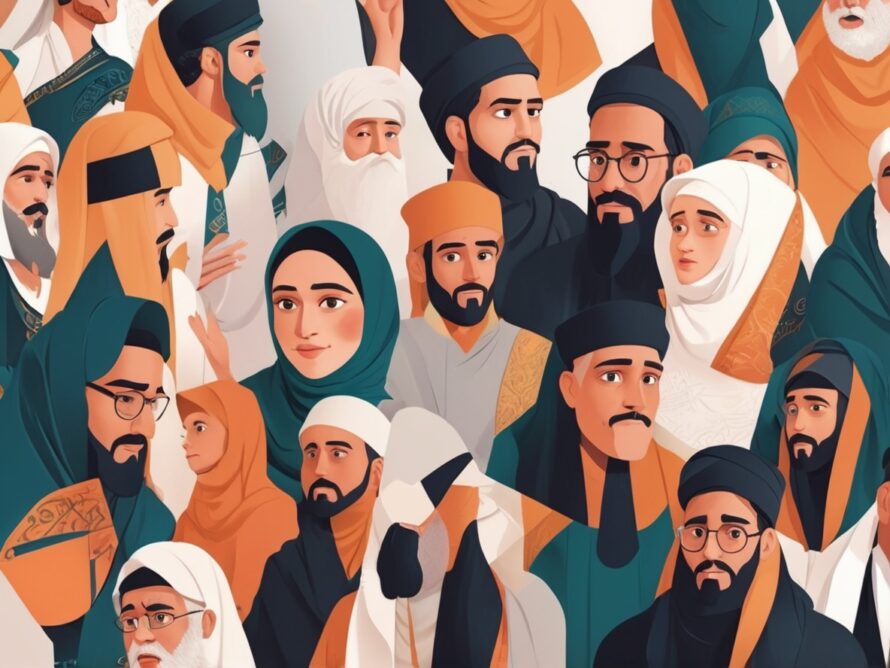
Recently, discussions around the concept of singleness have increased, as it is now viewed as an independent identity reflecting individual choices rather than a temporary social state. This shift reflects profound changes in social and cultural values, with many choosing to distance themselves from traditional marriage pressures.
In Arab societies, singleness was often seen as a sign of failure or social instability. However, over time, this perception has begun to change, with many individuals viewing singleness as an opportunity for self-actualization and personal identity development away from family commitments.
Details of the Phenomenon
This phenomenon involves a range of factors, including economic and social changes that affect individual choices. With rising education levels and increasing living costs, marriage now requires significant financial and emotional investments, prompting many to think carefully before taking this step.
Moreover, social media plays a crucial role in shaping this new identity. Digital platforms showcase diverse models of single life, enhancing the acceptance of this choice as part of social diversity.
Background & Context
Historically, Arab societies relied on marriage as a means to secure social and economic stability. However, the cultural changes witnessed in the region over recent decades, including the influence of globalization, have contributed to a reevaluation of these values.
Studies have shown that singleness is not merely a personal choice but a result of broader societal changes. Today, individuals seek to balance their professional and personal lives, making them hesitant to commit to long-term relationships.
Impact & Consequences
This social transformation has numerous implications. As the number of singles increases, societies may face new challenges related to demographics, potentially leading to lower birth rates and a rise in single-person households.
This trend may also impact social policies, as governments might need to reconsider their programs to support families and provide social services that cater to the needs of single individuals.
Regional Significance
In the Arab region, this shift could have profound effects on social relationships. With the growing acceptance of singleness as a legitimate choice, the nature of relationships between individuals may change, leading to new models of social interaction.
Furthermore, this phenomenon may contribute to enhancing individuals' rights to choose their lifestyles, reflecting a positive shift towards greater personal freedom.
In conclusion, the concept of singleness as a new identity challenges traditional norms and reflects a deep transformation in social values. As this phenomenon continues, it will be essential to monitor its impacts on Arab societies and how they adapt to these changes.