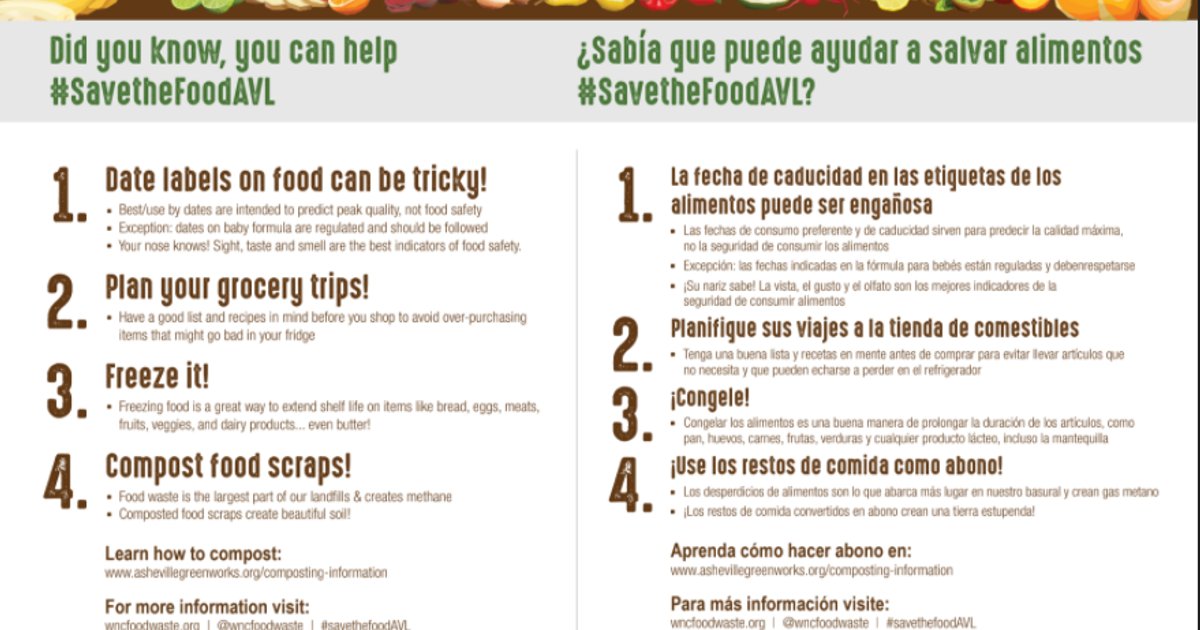
The Jordanian Ministry of Agriculture has emphasized that reducing food waste is a national priority to address current challenges and enhance food security in the country. This initiative comes amid increasing economic and social pressures faced by the kingdom, necessitating effective measures to limit food resource loss.
In this context, the Minister of Agriculture clarified that the ministry is implementing multiple strategies aimed at improving the efficiency of food resource utilization and raising community awareness about the importance of reducing waste. He pointed out that food waste poses a significant challenge, not only economically but also in terms of its impact on the environment and society.
Details of the Initiative
Food waste is a pressing issue faced by many countries, including Jordan. Estimates indicate that the rate of food waste in the kingdom reaches approximately 30% of total food production. This means that nearly one-third of the food produced is wasted, reflecting the urgent need to improve food resource management.
The Ministry of Agriculture aims to implement awareness programs that include all segments of society, in addition to collaborating with the private sector and farmers to develop innovative solutions to mitigate this phenomenon. The ministry is also working to enhance the use of modern technologies in agriculture, storage, and transportation, which contributes to reducing waste.
Background & Context
Historically, many countries have suffered from food waste issues, especially amid climate changes and economic pressures. In Jordan, challenges are increasing due to rising poverty and unemployment rates, which heightens the importance of enhancing food security. This issue is part of the Jordanian government's vision to achieve sustainable development and improve the living standards of citizens.
It is noteworthy that food security is closely linked to social and economic stability, as providing sufficient and nutritious food contributes to improving public health and reducing social tensions. Therefore, addressing food waste is considered a fundamental step towards achieving this goal.
Impact & Consequences
Reducing food waste has multiple positive impacts, including improving the economic situation of households and reducing pressure on natural resources. Additionally, minimizing waste contributes to enhancing environmental sustainability, as it reduces greenhouse gas emissions resulting from the disposal of spoiled food.
Moreover, improving the efficiency of food resource utilization can contribute to strengthening the national economy by increasing productivity and reducing costs. This, in turn, can lead to an improved standard of living for citizens and increased job opportunities in the agricultural sector.
Regional Significance
The issue of food waste is a common challenge among many Arab countries, most of which face similar challenges in food security. Cooperation among Arab countries in this area can facilitate the exchange of experiences and the development of effective strategies to tackle this phenomenon.
Furthermore, enhancing food security in Jordan can serve as a model for other countries in the region, contributing to achieving stability and sustainable development. Addressing this issue collectively can help improve the food situation across the Arab world.
In conclusion, reducing food waste is a national priority that requires the concerted efforts of all segments of society. Taking effective steps in this direction can contribute to enhancing food security and achieving sustainable development in Jordan and the region.