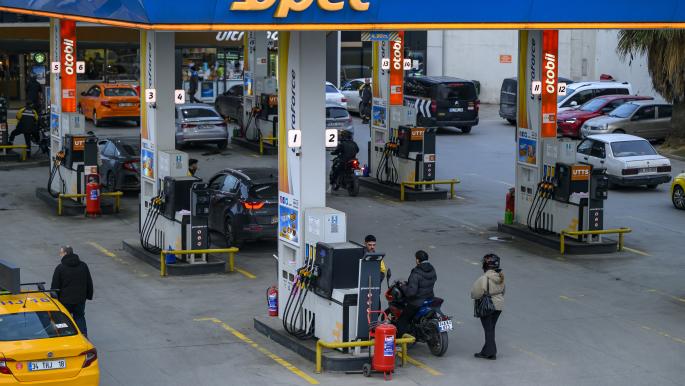
Turkish energy sector sources announced a reduction in fuel prices, with gasoline and diesel prices lowered by approximately 10 lira per liter. This decision comes after the commencement of a truce between the United States and Iran.
This decision reflects the impact of geopolitical changes on local markets, as the decrease in fuel prices is seen as a positive indicator for consumers in Turkey, which has been grappling with rising living costs in recent years.
Details of the Announcement
In a surprising move, the Turkish government announced a reduction in fuel prices, making gasoline and diesel cheaper by 10 lira per liter. This decision follows a period of consecutive increases in fuel prices, which had negatively impacted Turkish household budgets. The announcement was made on Wednesday, providing hope to citizens for some relief from financial burdens.
This step coincides with the beginning of the truce between the United States and Iran, which may contribute to stabilizing global oil prices and positively affect the Turkish market. This reduction is viewed as a swift response from the Turkish government to the economic challenges facing the country.
Background & Context
Historically, Turkey has experienced significant fluctuations in fuel prices, directly influenced by geopolitical events in the region. In recent years, fuel prices have surged due to rising global oil prices, leading to public protests against the government. These protests expressed dissatisfaction with economic conditions, prompting the government to take urgent measures to alleviate the crisis.
Turkey is one of the largest oil importers in the world, making it sensitive to changes in global prices. Therefore, any shift in the foreign policies of major countries, such as the United States and Iran, can significantly impact the Turkish economy.
Impact & Consequences
This reduction is expected to have a positive effect on the Turkish economy, as it will help ease financial pressures on households. Additionally, lower fuel prices may lead to increased consumption, thereby boosting economic activity in the country. However, the question remains about the sustainability of this reduction amid potential fluctuations in global markets.
Moreover, this decision may enhance the Turkish government's image in the eyes of citizens, especially given the challenging economic conditions the country is facing. However, the government must remain vigilant regarding any changes in global oil prices, as any sudden increase could negatively impact the local economy.
Regional Significance
The reduction in fuel prices in Turkey is indicative of the geopolitical changes affecting the Arab region as a whole. With the truce between the United States and Iran, we may witness greater stability in oil prices, which could positively impact Arab countries that heavily rely on oil exports.
This development may also encourage some Arab countries to reassess their economic policies, especially in light of the challenges they face in energy markets. The stability of fuel prices could contribute to improving economic conditions in the region, benefiting citizens.
In conclusion, the reduction in fuel prices in Turkey represents a positive step towards improving economic conditions and reflects the impact of geopolitical events on local markets. It remains to be seen how the Turkish government will respond to any future changes in the global market.