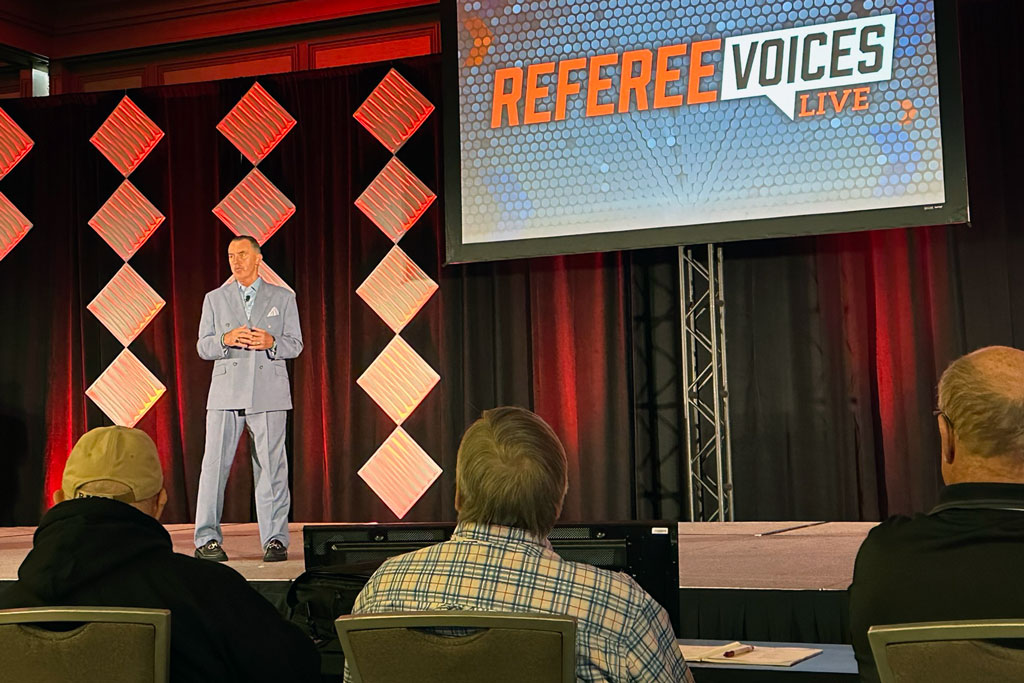
Referee Roger Ayers has announced that he will not participate in officiating the semifinals of the NCAA basketball tournament, following a heated exchange with coach Dan Hurley. This decision comes after their verbal exchange sparked widespread controversy in sports circles, raising questions about its impact on the tournament's proceedings.
The exchange between Ayers and Hurley occurred during a game in the tournament, where the coach expressed his dissatisfaction with some officiating decisions. This was not the first incident of its kind in the world of basketball, as such situations often arise between coaches and referees. However, what distinguishes this case is Ayers' reaction, opting out of future matches.
Details of the Incident
The NCAA tournament is one of the premier competitions in college basketball, showcasing the best teams in the United States. Ayers' decision not to officiate in the semifinals reflects the pressures referees face, especially in sensitive matches that require high precision in decision-making.
This decision comes after the tournament has seen considerable controversy surrounding officiating decisions, leading Ayers to feel unable to perform at the required level under such circumstances. This situation opens a discussion about how referees manage the psychological pressures they face and how their working environment can be improved.
Background & Context
Historically, NCAA tournaments have witnessed many similar incidents, where referees have been subjected to pressure from coaches and fans. At times, these pressures have led to resignations or similar decisions from referees. This incident serves as a reminder of the crucial role referees play in matches and how their decisions can significantly impact game outcomes.
Moreover, the pressures referees face are not new, but they are increasing with the growing importance and popularity of the tournament. Referees need greater support from sports organizations to ensure they can perform their duties without additional pressures.
Impact & Consequences
Ayers' decision not to officiate may affect the tournament's progression, as referees play a critical role in determining match outcomes. If such incidents continue, it could lead to a shortage of available referees, placing additional pressure on sports organizations.
This decision may also raise concerns among other coaches, who might feel the need to be cautious in expressing their opinions about referees. At the same time, it could increase tension between coaches and referees, negatively impacting the overall atmosphere of the games.
Regional Significance
Although this event pertains to American basketball, it highlights similar issues in other sports worldwide, including in the Arab region. Referees in Arab tournaments also face similar pressures, and such incidents may influence how matches are managed in the future.
Additionally, fostering a culture of respect between coaches and referees could contribute to improving the quality of matches in the Arab region, enhancing the level of competition and attracting more fans.