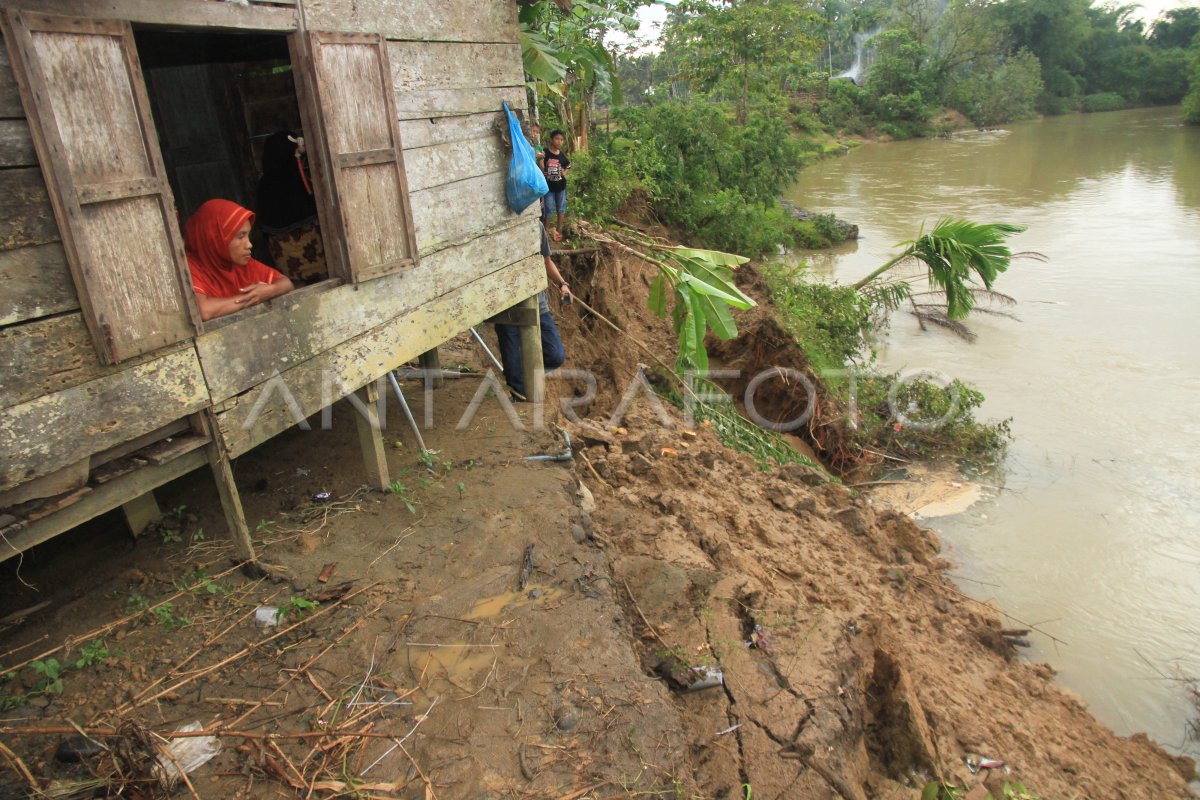
The Indonesian Ministry of Agriculture (Kementan) has launched a large-scale rehabilitation process covering 1,093 hectares of agricultural land damaged by floods and landslides in North Aceh. This initiative is part of the government's efforts to enhance the local economy and secure food for affected communities.
Irwandi, the head of the Agriculture and Food Office in North Aceh, stated that the first phase of the rehabilitation process includes agricultural lands in the areas of Sawang, Mora Baro, Diwantara, and Langkahan. He emphasized that these efforts aim to assist farmers in returning to their farming activities and restoring their sources of income.
Details of the Event
The floods and landslides that occurred at the end of November last year caused damage to 18,316 hectares of agricultural land, which represents 46% of the total agricultural area in the region. Among this area, 4,679 hectares were severely affected, while 6,447 hectares experienced moderate damage, and 7,189 hectares were lightly impacted.
Irwandi noted that all data related to the affected agricultural lands have been included in the disaster rehabilitation and reconstruction plan, which will be funded by the national budget through the relevant ministries.
Background & Context
North Aceh is considered one of the most disaster-prone areas in Indonesia, having experienced numerous floods and landslides in recent years. These disasters significantly impact the lives of local residents, many of whom rely on agriculture as their primary source of income.
Historically, Aceh has suffered from the effects of conflicts and natural disasters, making reconstruction and sustainable development efforts an urgent necessity. These initiatives align with the government's vision to enhance food security and improve the living standards of the population.
Impact & Consequences
Rehabilitating agricultural lands is a vital step towards restoring economic activity in the region. Farmers in Aceh heavily depend on agriculture, so improving agricultural conditions will accelerate the economic recovery process.
Moreover, these efforts reflect the Indonesian government's commitment to enhancing food security, which is crucial in the face of increasing climate challenges. The rehabilitation of agricultural lands is expected to boost agricultural productivity and strengthen local communities' capacity to cope with future disasters.
Regional Significance
The importance of this news to the Arab region lies in the lessons learned in disaster management. Many Arab countries face similar challenges, such as floods and droughts, necessitating effective strategies for rehabilitation and sustainable development.
Arab nations can benefit from Indonesia's experiences in enhancing food security and developing effective strategies to deal with natural disasters, contributing to improving living standards and fostering economic stability.
In conclusion, the efforts to rehabilitate agricultural lands in Aceh serve as a model for addressing the impacts of natural disasters and highlight the importance of collaboration between governments and local communities to achieve sustainable development.