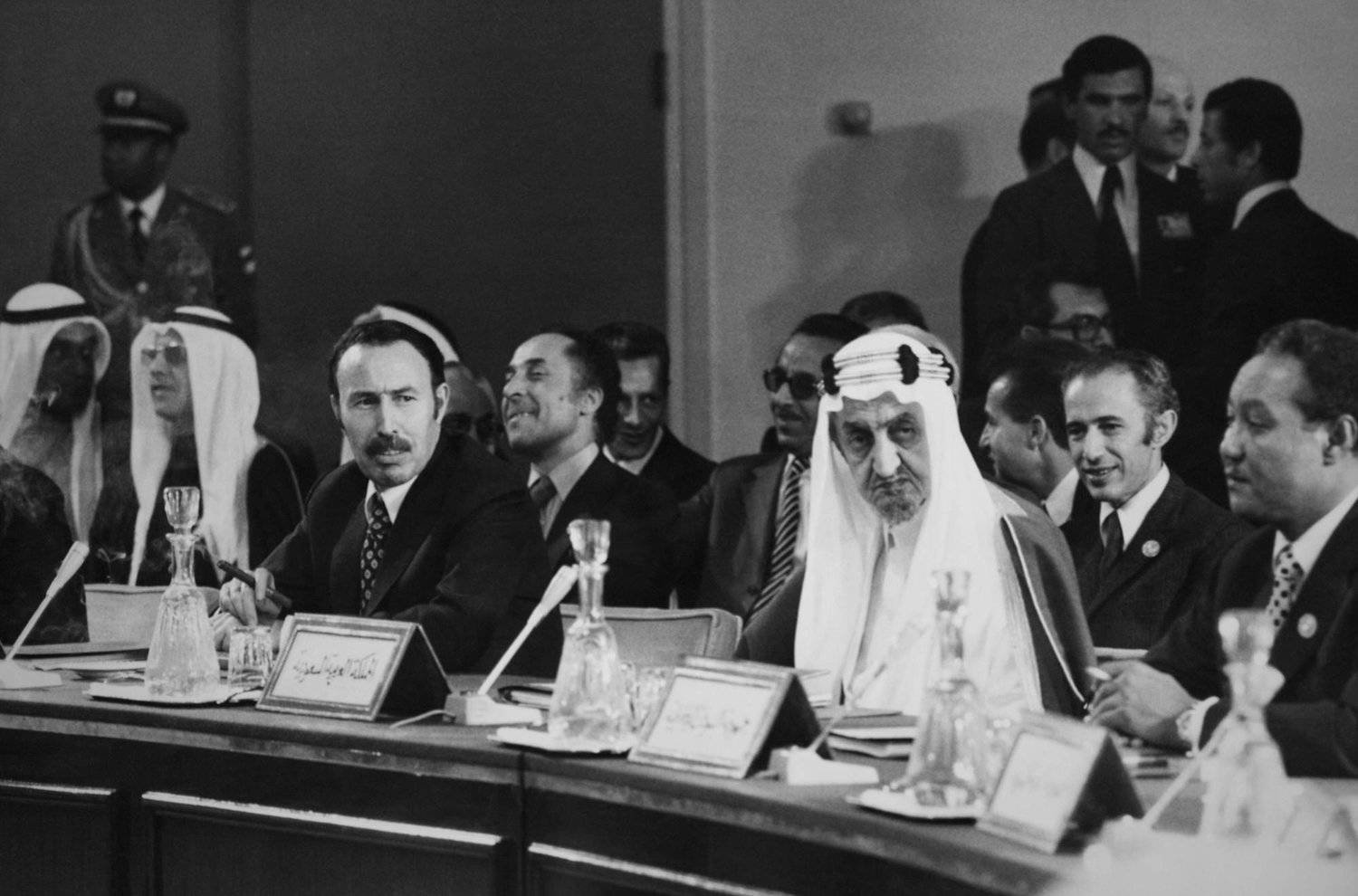
King Faisal bin Abdulaziz Al Saud remains a pivotal figure in Arab collective memory, symbolizing wise leadership and social change. His legacy continues to influence modern Arab history and politics.
King Faisal's vision was embodied in numerous policies that enhanced the Kingdom of Saudi Arabia's status on the international stage. Notably, he played a prominent role in founding the Organization of the Petroleum Exporting Countries (OPEC) in 1960, which fostered cooperation among oil-producing nations.
Event Details
In recent years, commemorations of King Faisal have seen a resurgence of interest in his character and achievements. Many cultural and artistic events have been organized to highlight his legacy, including art exhibitions and academic seminars discussing his impact on Arab history.
His courageous stances in facing the political challenges in the region have also been emphasized, including his support for the Palestinian cause and his rejection of Western hegemony. These positions have earned him a special place in the hearts of Arabs, as he is regarded as a symbol of dignity and sovereignty.
Background & Context
Historically, King Faisal ascended to power during a period fraught with challenges, as the Kingdom faced numerous internal and external crises. Through his insightful vision, he achieved relative stability in the country, contributing to the enhancement of the Saudi economy and the development of infrastructure.
He also played a significant role in promoting education and healthcare, launching various projects that improved the standard of living for citizens. These accomplishments made him immensely popular, not only in the Kingdom but across the Arab world.
Impact & Consequences
The influence of King Faisal is still felt in Arab politics today. His vision has shaped many policies adopted by Arab countries currently, especially concerning economic and social issues.
Moreover, his positions on major Arab issues, such as the Palestinian cause, continue to inspire new generations of Arab leaders. This ongoing influence reflects the depth of his legacy and his role as a historical leader.
Regional Significance
King Faisal's memories transcend the borders of the Kingdom, as he is seen as a symbol of Arab unity and solidarity among nations. At a time when challenges facing the Arab world are increasing, his legacy serves as a testament to the importance of wise leadership and future vision.
Remembering King Faisal's achievements today underscores the urgent need for leaders who possess the same vision and courage to confront current challenges, fostering hope for a better future for the region.