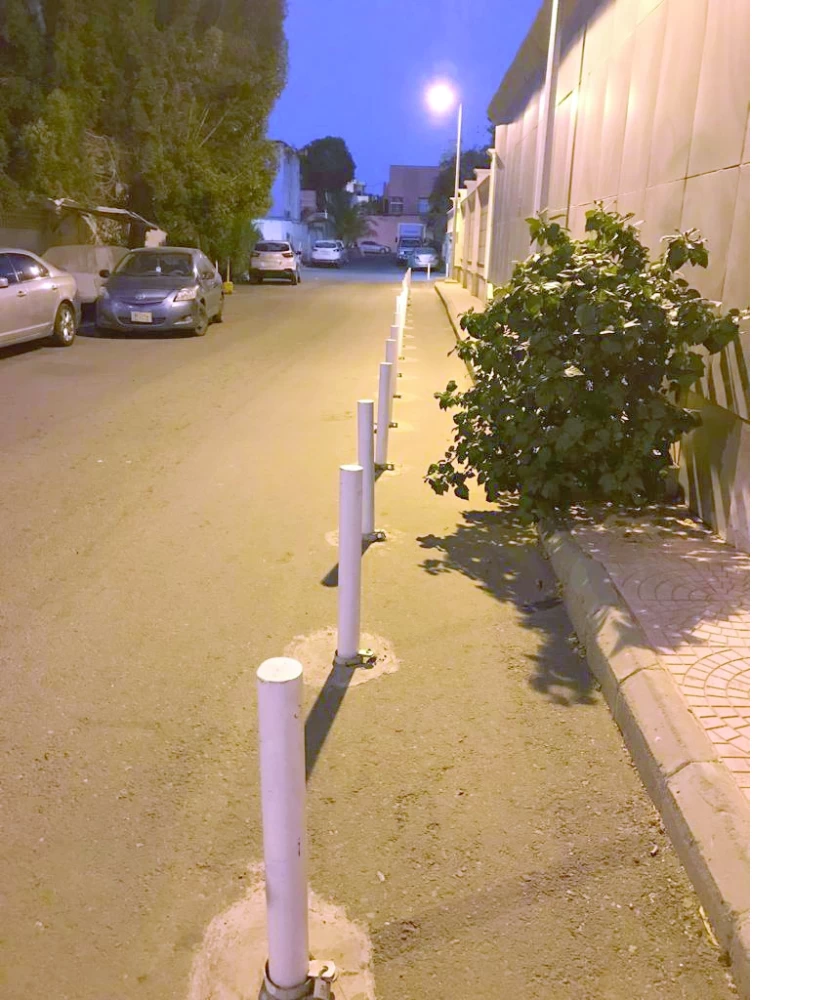
In a move aimed at enhancing the flow of public parking usage, field teams from the Jeddah Municipality have removed electronic locks and various barriers that were preventing parking in several neighborhoods, including Al-Sharifiyah, Al-Balad, Al-Baghdadiyah, and Al-Hamra.
The municipality observed the use of solid materials such as wood, chairs, construction materials, and chains, which constitutes a violation of existing regulations and negatively impacts the public use of parking spaces. The municipality considers these phenomena as a form of negative exploitation of public spaces.
Details of the Operation
The Jeddah Municipality clarified that the removal of locks and barriers was part of its ongoing efforts to address negative phenomena affecting the quality of life in the city. This operation was executed promptly to ensure that parking spaces were returned to their normal state and made available to everyone.
These measures fall within the jurisdiction of the University and New Jeddah municipalities, focusing on neighborhoods that have experienced the highest level of violations. The municipality confirmed that it will continue its efforts to monitor and address such violations as part of its plans to promote optimal use of public facilities.
Background & Context
The issue of reserving public parking using locks and barriers is a recurring problem in many major cities, where some individuals seek to exploit public spaces for personal purposes. This phenomenon has affected traffic flow and the comfort of citizens.
There is an increasing need to improve the management of public parking in Jeddah, especially with the growing population and the rising number of vehicles. This step is part of the Jeddah Municipality's efforts to enhance the quality of life in the city and promote the effective use of public spaces.
Impact & Consequences
The removal of these barriers and locks is expected to contribute to improving traffic flow in the targeted neighborhoods, thereby enhancing the experience for citizens and visitors. This step also reflects the municipality's commitment to improving public services and elevating the quality of life.
This action serves as a call for citizens to adhere to regulations and instructions, and not to exploit public facilities in ways that harm the public interest. The move towards promoting fair use of public spaces underscores the importance of cooperation between the municipality and citizens in improving the urban environment.
Regional Significance
The issue of exploiting public parking is a common challenge faced by many Arab cities, where officials are striving to improve the management of these facilities. Jeddah's experience in addressing this phenomenon may serve as a model for other cities.
These efforts contribute to raising community awareness about the importance of fair use of public spaces, reflecting a trend towards improving the quality of life in Arab cities in general.
In conclusion, the removal of locks and barriers in Jeddah represents a positive step towards improving the management of public parking and enhancing traffic flow, contributing to a more comfortable and suitable urban environment for both citizens and visitors.