Accusations have renewed between Ukraine and Russia regarding violations of the U.S.-backed ceasefire, just two days after it came into effect. Areas near the front line have witnessed mutual attacks, raising significant concerns about the possibility of achieving peace under these tense circumstances.
Ukrainian President Volodymyr Zelensky confirmed that Russian forces have not adhered to the ceasefire, continuing to carry out attacks in some regions, despite the absence of large-scale airstrikes. Meanwhile, the Russian Ministry of Defense accused Ukrainian forces of violating the ceasefire, noting the downing of 57 Ukrainian drones in the past 24 hours.
Details of the Incident
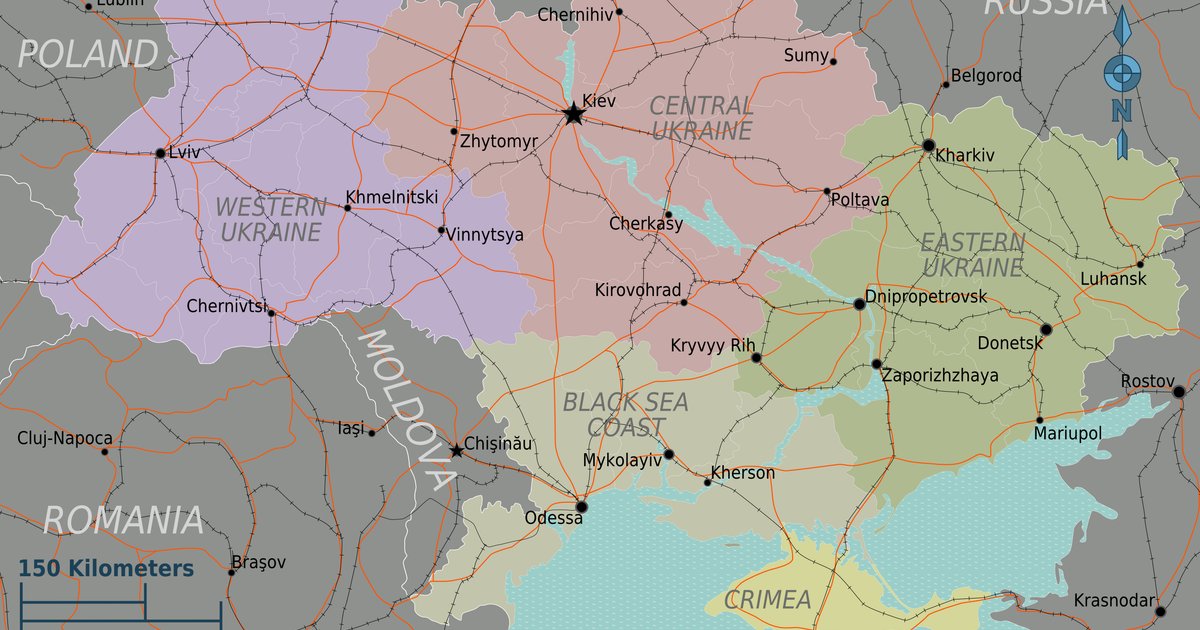
In a related context, reports indicated that three people were killed due to Russian drone attacks on areas in Zaporizhia, Dnipropetrovsk, and Kherson. Several civilians were also injured in other attacks, reflecting a rise in violence despite the announced ceasefire.
On the other hand, Zelensky pointed out that Ukrainian forces continue to defend their positions, emphasizing that the situation at the front remains tense. Approximately 210 clashes have been recorded along the 1,200-kilometer front line since the ceasefire began.
Background & Context
These events come at a sensitive time, as the international community, led by the United States, seeks to achieve lasting peace between Russia and Ukraine after more than four years of conflict. Despite intensive diplomatic efforts, talks remain stalled, particularly concerning control over the Zaporizhia nuclear power plant, the largest nuclear power facility in Europe.
In recent days, both Russia and Ukraine announced separate ceasefires, but soon exchanged accusations of violating those truces. This dynamic reflects the complexities of the ongoing conflict, with both sides still holding firm to their positions.
Impact & Consequences
These events underscore the significant challenges facing peace efforts, as it appears that each side is seeking military gains on the ground rather than committing to ceasefires. This dynamic could exacerbate the humanitarian situation in the region, where civilians are suffering from the ongoing conflict's effects.
Furthermore, the continuation of violence may negatively impact international relations, as pressure mounts on major powers to intervene more effectively. At the same time, these events could increase tensions between Russia and the West, reflecting on the stability of the entire region.
Regional Significance
The Arab region is indirectly affected by the Ukrainian-Russian conflict, as global crises can lead to rising energy and food prices, impacting Arab economies. Additionally, any escalation in the conflict could have repercussions on regional security, necessitating Arab countries to enhance their cooperation to face these challenges.
In conclusion, the situation in Ukraine remains under observation, as the world looks forward to achieving lasting peace in the region, but current tensions indicate that the road ahead is still long.