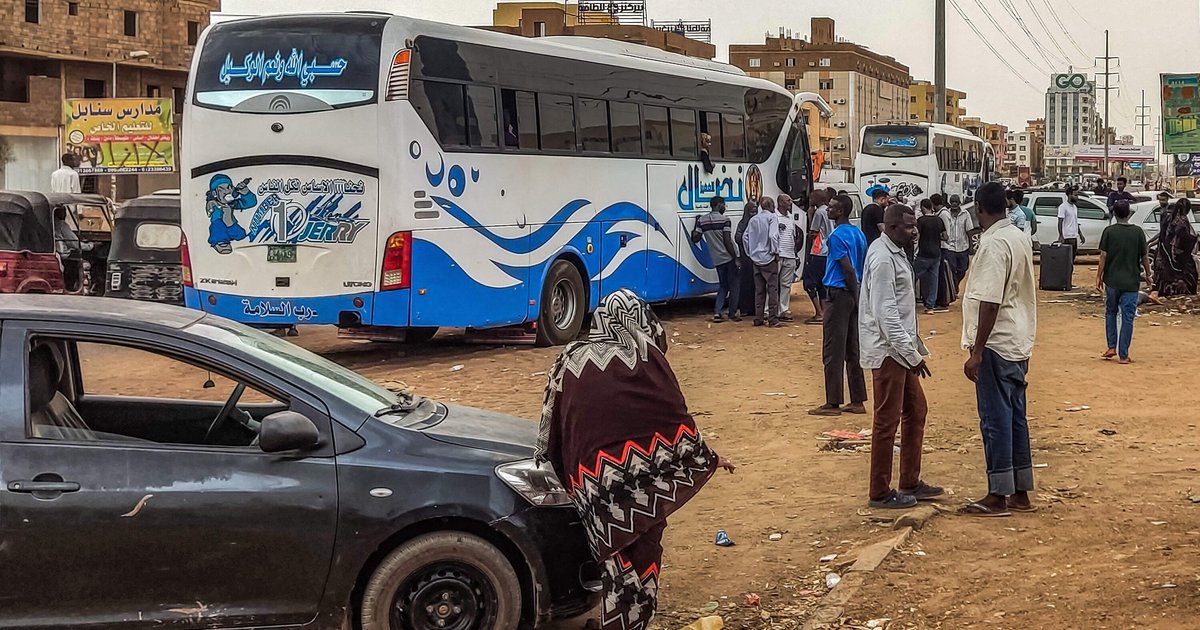
The Blue Nile region of Sudan has once again returned to conflict, witnessing an escalation in clashes after the Rapid Support Forces seized control of several of its major towns. This situation has led to the displacement of thousands of residents and the deaths of many, placing the region in a critical humanitarian state.
Historically, the Blue Nile region has been a theater of successive tensions and conflicts since the 1980s, where it was used by the Sudan People's Liberation Movement led by John Garang as a stronghold for armed opposition against the central governments in Khartoum. However, the region experienced a period of relative calm following the signing of peace agreements in the past decade.
Details of the Recent Events
Since mid-April 2023, war has returned to Sudan in general, with clashes extending to the Blue Nile region, where towns like Shamar and the city of Bout have witnessed fierce battles. Despite the Sudanese army regaining control of the city of Singa and lifting the siege on the capital, Damazin, the situation quickly deteriorated again with attacks from the Sudan People's Liberation Movement allied with the Rapid Support Forces.
These attacks began last January, targeting towns in the Kermak and Qissan provinces, using drones to strike targets within the region. By now, the Rapid Support Forces have managed to control the Kermak province, leading to a widespread wave of displacement among local populations.
Background & Context
Historically, the Blue Nile region has witnessed multiple conflicts, serving as a center for rebellions against the ruling regimes in Khartoum. In recent years, with the signing of peace agreements, there were hopes for stability. However, recent events indicate that these hopes have faded, with the return of conflict in a more intense manner.
The Sudanese army, which had managed to regain control over some areas, now finds itself facing a new confrontation with the Rapid Support Forces and the Sudan People's Liberation Movement, raising questions about the future of stability in the region.
Impact & Consequences
The military escalation in the Blue Nile has serious implications for the humanitarian situation in the region. The mass displacement of residents increases pressure on limited resources and places many families in difficult living conditions. Local governors have pointed to the urgent need for humanitarian aid, as the displaced suffer from severe shortages of food and medicine.
Moreover, accusations directed at Ethiopia for intervening in Sudanese affairs complicate the situation further, as the Sudanese government considers this intervention a violation of its sovereignty. This escalation in tensions between Sudan and Ethiopia could lead to wider repercussions in the region.
Regional Significance
The situation in the Blue Nile reflects the ongoing challenges faced by Arab countries in achieving stability and security. Armed conflicts affect regional security, increasing the numbers of refugees and displaced persons, necessitating a response from the international community.
Furthermore, the continuation of the conflict in Sudan may impact relations with neighboring countries and complicate peace efforts in the region. It is crucial for regional and international efforts to converge to support Sudan's stability and achieve lasting peace.
In conclusion, the Blue Nile region remains at the heart of Sudan's crises, where conflicts renew and the suffering of the population continues. The current situation requires urgent action from the international community to assist those affected and work towards achieving peace and stability in the region.