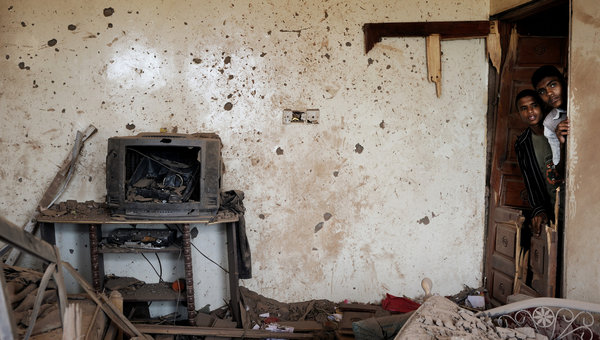
The city of Taiz in southwestern Yemen is facing a severe crisis in providing household gas, with long queues reappearing at filling stations. Residents are enduring lengthy waits to obtain this essential commodity, exacerbating their daily struggles.
The household gas crisis is one of the most significant challenges confronting Yemenis amid the country's difficult economic conditions. As demand for gas increases, the congestion intensifies, forcing citizens to wait for hours to acquire gas cylinders.
Details of the Event
Reports indicate that many filling stations in Taiz are suffering from a severe shortage of gas supplies, which has worsened the crisis. Some officials attribute this shortage to irregular deliveries from supplying companies, in addition to deteriorating security conditions that hinder transportation.
At the same time, citizens are grappling with rising prices in the black market, where gas cylinders are sold at prices exceeding what many can afford. This situation places additional pressure on families already suffering from poverty and unemployment.
Background & Context
Historically, the city of Taiz has witnessed numerous humanitarian crises due to the ongoing conflict in Yemen. Since the outbreak of war in 2015, economic conditions have significantly deteriorated, affecting all aspects of daily life for residents. Household gas, considered a basic necessity, has become a scarce commodity under these circumstances.
Humanitarian crises are escalating in Yemen, with over 24 million people suffering from severe shortages of food, water, and medicine. The household gas crisis is just one of many crises reflecting the catastrophic situation Yemenis are experiencing.
Impact & Consequences
The household gas crisis directly affects citizens' lives, as many are forced to reduce their gas usage or seek unavailable alternatives. This negatively impacts public health, as many rely on gas for cooking and heating.
Moreover, the continuation of this crisis could exacerbate economic conditions, increasing the suffering of families with limited income. The rising prices in the black market may lead to higher poverty rates, further escalating social tensions in the city.
Regional Significance
The gas crisis in Taiz exemplifies the challenges faced by many Arab countries experiencing conflicts. The humanitarian and economic crises in Yemen could affect regional stability, potentially leading to new migration flows or heightened tensions among local communities.
Additionally, the situation in Yemen highlights the urgent need for humanitarian intervention by the international community, necessitating coordinated efforts to provide aid and alleviate human suffering.
In conclusion, the household gas crisis in Taiz is not merely a local issue but part of a larger humanitarian crisis that requires urgent attention from the international community. Efforts must be combined to provide the necessary relief to affected populations.