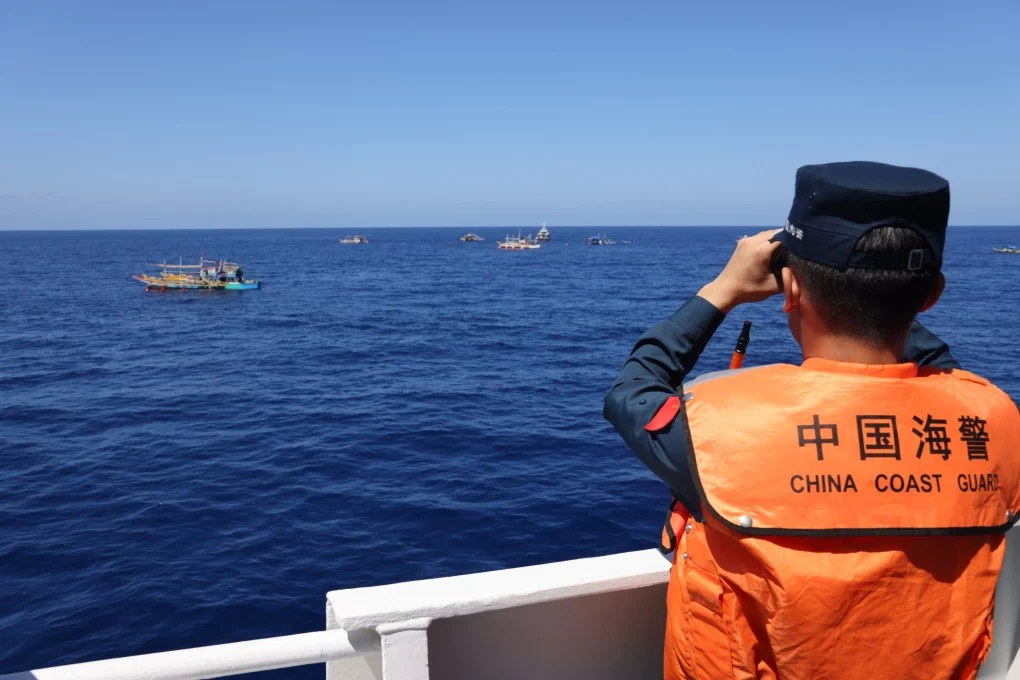
High-level diplomats from China and the Philippines met in Quanzhou over the past weekend to discuss a range of issues, including potential cooperation in oil and gas in the South China Sea, renewable energy, and communication between coast guards. Despite Manila's calls for energy collaboration, maritime tensions between the two nations continue, as noted by Chinese observers.
The discussions come at a sensitive time, with rising tensions over territorial disputes in the resource-rich South China Sea. While the Philippines seeks to enhance energy cooperation with China, observers believe that these talks may not lead to tangible outcomes given the ongoing political and military disagreements.
Details of the Meeting
The talks in Quanzhou focused on vital issues, particularly the possibility of cooperation in energy sectors, including the exploitation of marine resources in the South China Sea. The discussions also touched upon renewable energy, reflecting the Philippines' interest in diversifying its energy sources.
However, observers indicate that these discussions may not be sufficient to alleviate existing tensions. Some experts have pointed out that China may not be willing to make significant concessions while sovereignty disputes persist. Additionally, under President Ferdinand Marcos Jr., the Philippines is striving to balance its relations with major powers, including the United States.
Background & Context
Historically, relations between China and the Philippines have experienced significant fluctuations, with maritime issues intertwined with political tensions. In recent years, disputes over islands and territorial waters have escalated, leading to increased military tensions. Manila has attempted on several occasions to bolster cooperation with Beijing, but these efforts often encounter political obstacles.
In 2016, the Philippines received a ruling from the Permanent Court of Arbitration in its favor regarding maritime disputes, which angered China. Since then, the Philippines has sought to improve its relations with China, but tensions remain, especially with ongoing Chinese military activities in the region.
Impact & Consequences
The implications of these talks extend beyond bilateral relations between China and the Philippines, affecting regional stability in the South China Sea. If the two countries cannot reach tangible agreements, it could escalate tensions, impacting maritime security and trade in the region.
Moreover, ongoing tensions may encourage other countries in the region, such as Vietnam and Malaysia, to strengthen their positions in maritime disputes. This could further complicate relations among major Asian nations and increase the likelihood of future conflicts.
Regional Significance
Although the disputes between China and the Philippines may seem distant from the Arab region, they have indirect effects. The stability of the South China Sea is crucial for global trade, including oil and gas exports to Arab countries. Any escalation in tensions could affect global energy prices, reflecting on the Arab economy.
In conclusion, the relationship between China and the Philippines remains under scrutiny, as both nations must find ways to cooperate despite challenges. The success of these talks could open new avenues for regional collaboration, while failure may exacerbate existing crises.