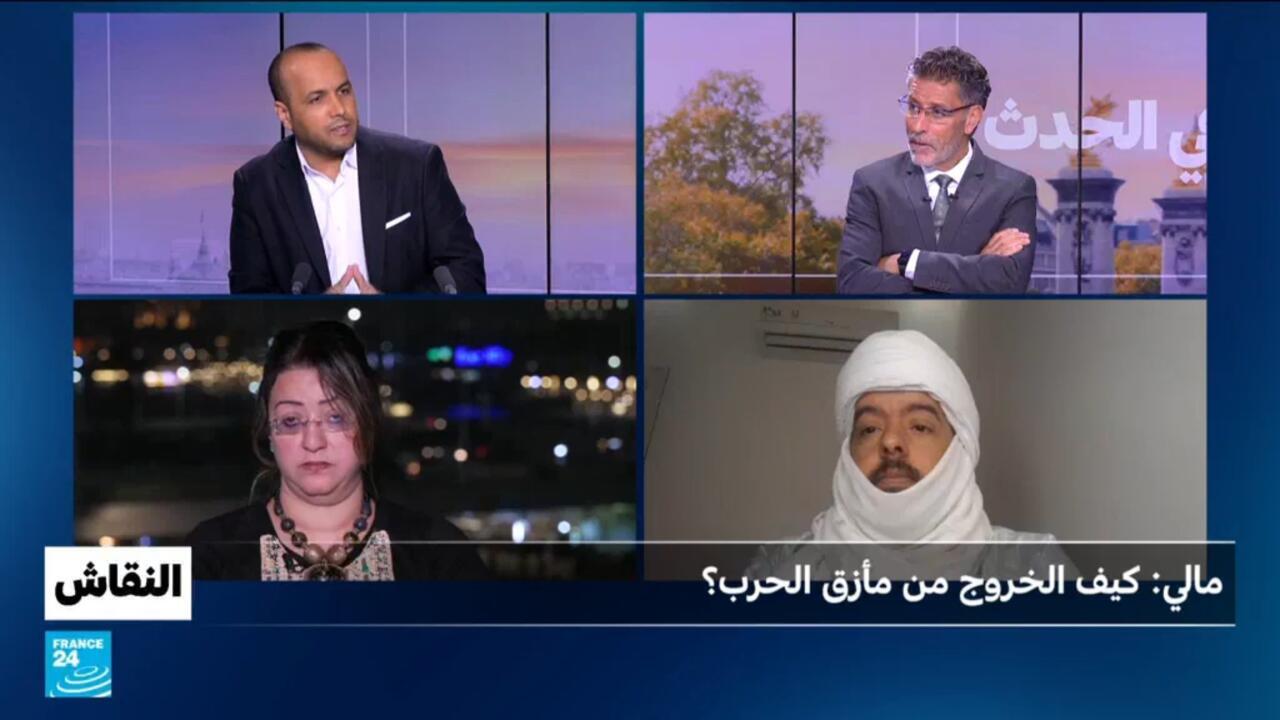
Unrest has resurfaced in northern Mali, where fighters from the National Movement for the Liberation of Azawad, in collaboration with local armed groups and parties linked to jihadist organizations, have seized control of the city of Kidal. This development follows intense battles with Malian government forces, which were supported by Russian troops, reflecting the deteriorating security situation in the region.
Kidal is considered one of the strategic cities in northern Mali and has witnessed recurring conflicts among various armed factions in recent years. The control of the city signifies that the National Movement for the Liberation of Azawad has strengthened its position in the region, raising questions about the future stability of the country.
Details of the Event
Recently, Kidal has seen fierce battles between government forces and fighters from the National Movement for the Liberation of Azawad. This movement, established in 2011, aims to achieve the independence of the Azawad region, which has a majority of Tuareg people. The movement has managed to exploit the security vacuum resulting from the weakened central government, allowing it to regain control of the city.
Reports indicate that government forces, which relied on Russian support, were unable to withstand repeated attacks from the fighters. This highlights the challenges faced by the Malian government in regaining control of territories lost to armed groups.
Background & Context
Historically, Mali has experienced ethnic and political conflicts for decades, suffering from deep divisions between the north and south. In 2012, a civil war broke out in northern Mali, leading to an international intervention led by France. Despite efforts to achieve peace, the security situation remains fragile, with armed groups continuing to carry out attacks in various areas.
The National Movement for the Liberation of Azawad is one of the prominent factions seeking to achieve its separatist goals and has received support from some Tuareg tribes. This support reflects the ongoing ethnic tensions in the country, which are exacerbated by poverty and unemployment.
Impact & Consequences
The control of Kidal by the National Movement for the Liberation of Azawad could lead to an escalation of violence in the region, negatively impacting civilian lives. Additionally, this development may encourage other armed groups to carry out similar attacks, increasing chaos and instability in the country.
Moreover, the deteriorating security situation in northern Mali could affect international efforts to combat terrorism in the Sahel region. Mali serves as a launchpad for many extremist groups, making its stability crucial for regional security.
Regional Significance
The events in northern Mali are particularly significant for the Arab region, as they reflect the security challenges faced by many countries in the Sahel. The rise in violence in Mali may also impact neighboring countries, such as Algeria and Niger, which are facing similar threats from armed groups.
In light of these circumstances, Arab countries and the international community must work together to enhance stability in Mali by supporting the Malian government in its efforts to address security and economic challenges.
In conclusion, the situation in northern Mali requires urgent attention from the international community, as the stability of the region depends on addressing the root causes of the conflict and promoting dialogue among all concerned parties.