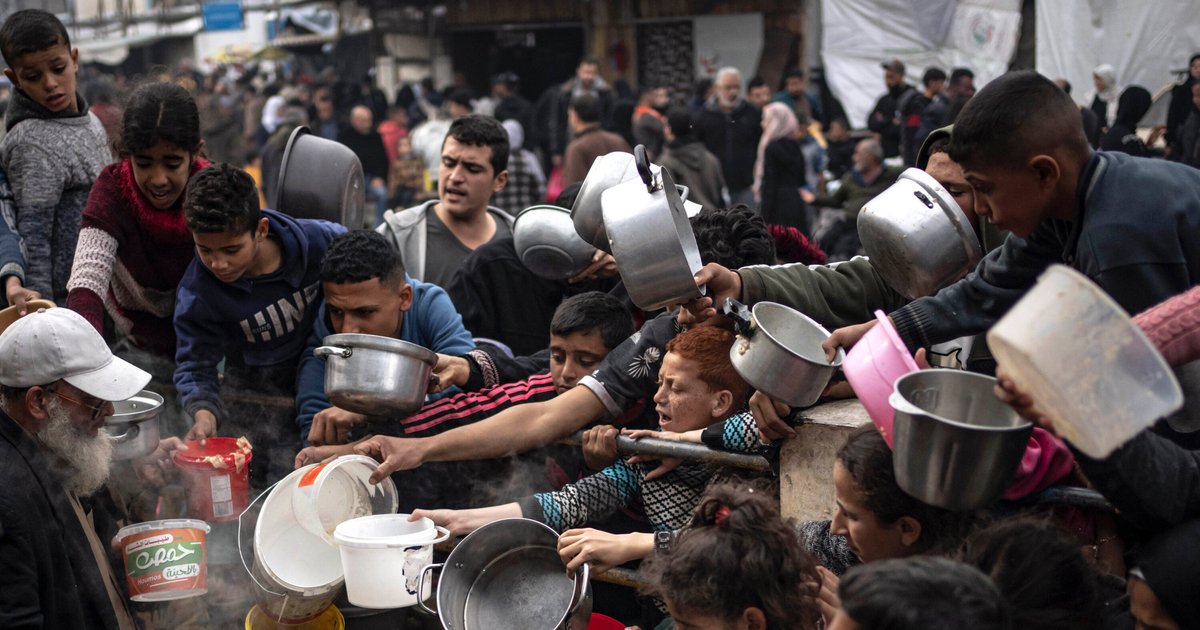
A recent global report reveals that 266 million people will face severe food insecurity by 2025, highlighting a worsening food crisis affecting numerous countries worldwide. Sudan, Gaza, Yemen, and Syria are at the forefront of this issue in the Arab world, as these nations grapple with ongoing conflicts that adversely impact their citizens' food security.
Concerns are growing over the escalation of this crisis, with estimates suggesting that armed conflicts, alongside economic crises, play a pivotal role in the spread of food insecurity. Millions in these countries struggle to access sufficient and nutritious food, exacerbating poverty and malnutrition rates.
Event Details
The report issued by the Food and Agriculture Organization of the United Nations (FAO) outlines the global food situation, indicating that armed conflicts are among the primary factors exacerbating the food crisis. In this context, Sudan is suffering from internal conflicts that have led to a deterioration of economic and social conditions, affecting the population's ability to secure food.
In Gaza, the ongoing blockade and conflicts with the Israeli occupation have contributed to worsening humanitarian conditions, with residents facing severe shortages of essential food items. Yemen, enduring a devastating war for years, is experiencing the worst humanitarian crisis in the world, with millions at risk of famine.
Context and Background
Historically, the Arab region has faced numerous food crises due to conflicts and wars. Civil wars and armed conflicts often lead to the destruction of agricultural infrastructure, hindering food production and increasing reliance on imports. Climate change also plays a role in exacerbating these crises, affecting crop yields and making access to water more challenging.
Syria serves as a stark example, where over a decade of ongoing war has resulted in the destruction of many farms and widespread poverty. The report indicates that the situation in Syria remains alarming, with over 12 million people suffering from food insecurity.
Consequences and Impact
The implications of food insecurity in these countries extend beyond mere food shortages, affecting public health and increasing disease rates. Food crises also lead to a rise in crime and violence, as people seek to secure their needs by any means possible. This situation poses a threat to social and political stability in the region.
Moreover, food insecurity may lead to mass migration, as individuals seek better opportunities in other countries. This could increase pressure on neighboring countries that are also grappling with their own crises.
Impact on the Arab Region
The food crisis in Arab countries is an urgent issue that requires international and Arab attention. Cooperation among Arab nations in agriculture and food security can help alleviate the severity of these crises. Additionally, enhancing investments in the agricultural sector and developing modern technologies can assist in increasing production and improving food conditions.
In conclusion, the current situation demands an urgent response from the international community to assist affected countries. Coordinated efforts are necessary to provide humanitarian aid and bolster food security to prevent the current crises from worsening.