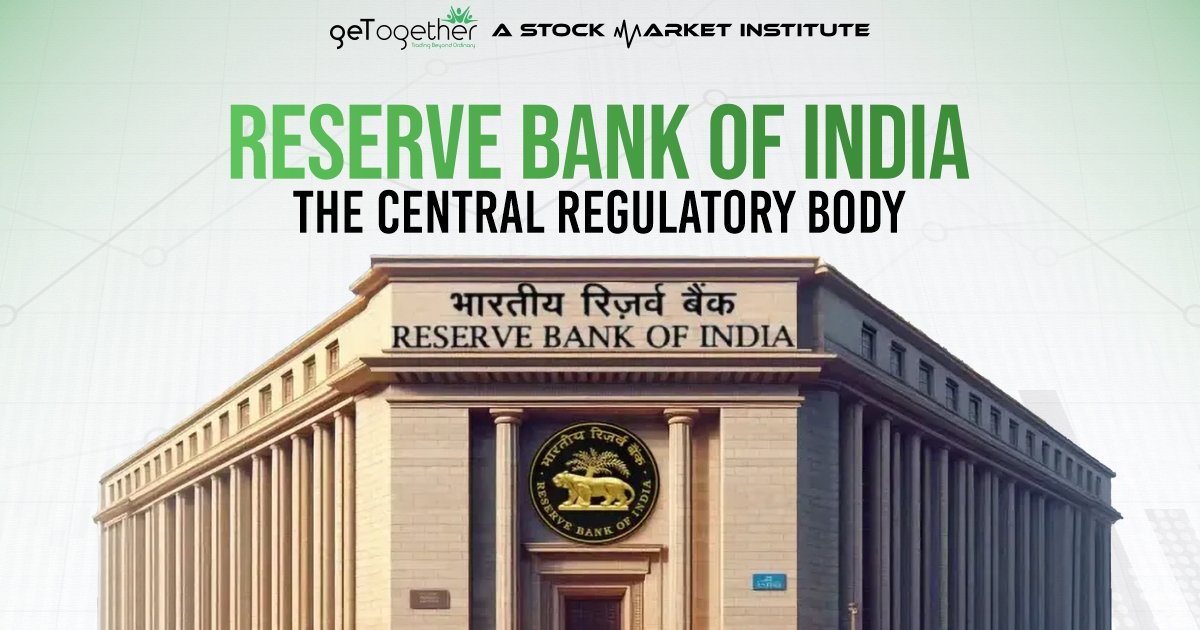
In a recent statement, Sanjay Malhotra, the Governor of the Reserve Bank of India, affirmed that the restrictions on the Indian currency market aim to curb speculation targeting the Rupee, indicating that these measures will not last long. These comments come at a sensitive time for the Indian economy, as the central bank strives to stabilize the national currency amidst global market volatility.
Malhotra explained that the Reserve Bank of India is closely monitoring the situation and will take necessary actions to ensure the stability of the Rupee. These restrictions have been imposed as part of the bank's efforts to tackle inflationary pressures and protect the economy from external risks.
Details of the Event
In recent weeks, the Indian Rupee has experienced a significant decline against the US Dollar, prompting the Reserve Bank to take swift action. The restrictions include setting limits on certain transactions in the currency market, raising concerns among investors and analysts regarding the impact of these measures on economic growth.
These steps come at a time when pressure on the Indian economy is increasing due to rising oil prices and geopolitical tensions. Malhotra noted that the central bank is committed to maintaining price stability and balanced economic growth.
Background & Context
Historically, India has witnessed fluctuations in the value of its currency, prompting the Reserve Bank to implement similar measures in the past. For instance, in 2013, the central bank took stringent steps to protect the Rupee from sharp declines. These events reflect the ongoing challenges India faces in managing its economy in the context of globalization.
The Indian Rupee is one of the most traded currencies in emerging markets, and its value directly impacts trade and foreign investment. Therefore, any moves by the Reserve Bank of India have wide-ranging implications for both the domestic and international economy.
Impact & Consequences
Malhotra's statements emphasize the importance of Rupee stability in fostering investor confidence. If pressures on the currency persist, foreign direct investment may be affected, potentially leading to a slowdown in economic growth. Additionally, prolonged restrictions could undermine market confidence.
On the other hand, if the Reserve Bank succeeds in restoring the stability of the Rupee, it could bolster the Indian economy and attract more investments. Thus, monitoring the central bank's actions will be crucial in the coming months.
Regional Significance
India is a significant trading partner for many Arab countries, contributing to the import of oil and essential goods. Any changes in the value of the Rupee could impact trade between India and Arab nations, necessitating close attention from policymakers in the region.
In conclusion, the economic situation in India remains under scrutiny as investors look for stability in the Rupee and future decisions from the Reserve Bank of India.