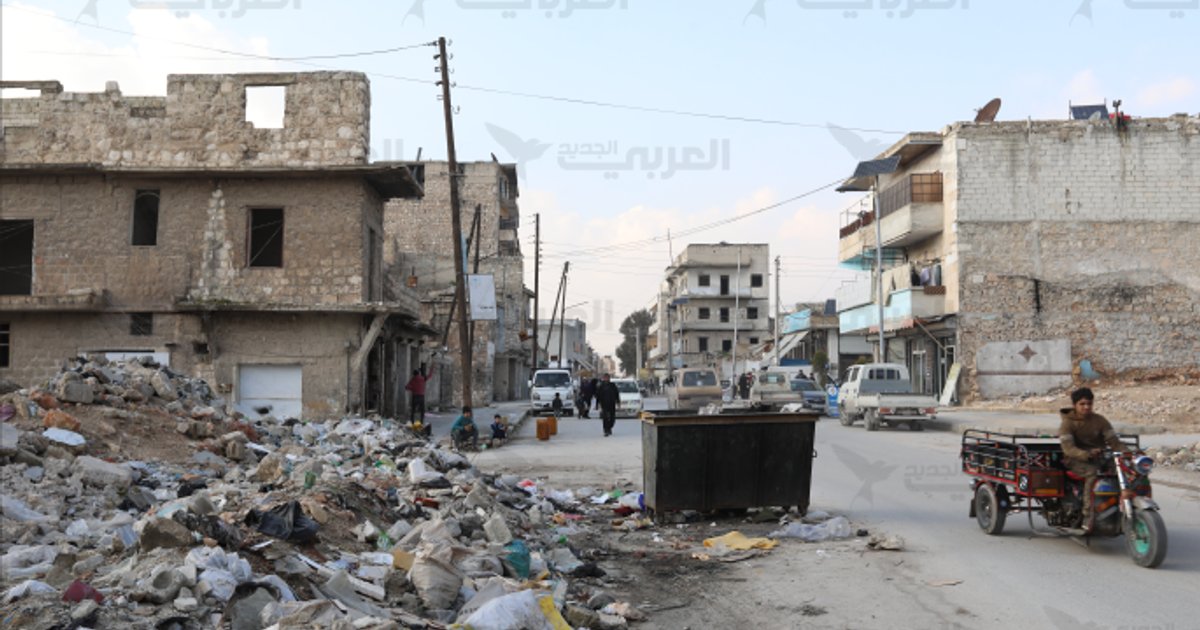
Residents of the Sahour neighborhood in the Syrian city of Aleppo are experiencing a noticeable decline in the level of basic services, which negatively impacts their daily lives. Despite repeated promises from the relevant authorities to rehabilitate the infrastructure, the situation remains unchanged, exacerbating the suffering of families living under difficult conditions.
The complaints from the neighborhood's residents are numerous, as they lack access to water, electricity, and sewage services, forcing them to rely on unreliable alternative sources. Additionally, the roads are in poor condition, making transportation difficult and exposing them to various dangers.
Details of the Situation
Complaints from the residents of Sahour are increasing regarding prolonged water outages, with many having to purchase water from tankers at high prices. Furthermore, power outages have become a common occurrence, significantly affecting daily life, especially during the rising temperatures.
Moreover, the sewage network suffers from frequent blockages, leading to the accumulation of stagnant water in the streets, posing a public health risk. Despite repeated demands from residents, no serious steps have been taken to improve these services.
Background & Context
Historically, the Sahour neighborhood has undergone numerous changes due to the ongoing conflict in Syria, resulting in the destruction of its infrastructure. Over time, basic services in the neighborhood have continued to deteriorate, significantly affecting the lives of its residents.
It is noteworthy that the Syrian government previously announced plans to improve infrastructure in affected areas, but these plans have not been effectively implemented, leaving residents frustrated with unfulfilled promises.
Impact & Consequences
The crisis of basic services in Sahour is exacerbating the living conditions for residents, increasing poverty and unemployment rates. The decline in health and educational services due to these crises also affects the future of upcoming generations.
These conditions require urgent intervention from the relevant authorities to improve living conditions, as the continuation of the status quo may lead to worsening social and economic crises in the region.
Regional Significance
The crisis of basic services in Sahour exemplifies the challenges faced by many areas in Syria and other Arab countries. Many cities are suffering from deteriorating services due to conflicts or economic crises.
Improving basic services is essential not only for enhancing the quality of life but also for achieving social and economic stability in the region. Therefore, governments and relevant authorities must take effective steps to address these issues.
In conclusion, residents of the Sahour neighborhood in Aleppo remain hopeful for the long-awaited fulfillment of promises, wishing for improved living conditions and relief from the daily burdens they bear.