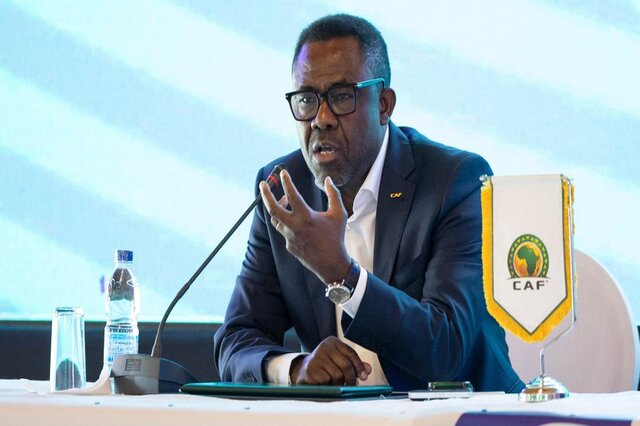
Veron Mosengo-Omba, the Secretary General of the African Football Confederation (CAF), has resigned at a critical juncture for African football. His resignation comes in the wake of controversial decisions, including the withdrawal of the 2025 Africa Cup of Nations title from Senegal and the last-minute postponement of the women's tournament, leaving CAF in a significant crisis of confidence.
In a statement, Mosengo-Omba expressed relief after being able to dispel doubts surrounding his leadership, adding that he leaves CAF in a better position than when he took over. Mosengo-Omba, who has held the position since March 2021, faced criticism for remaining in office after surpassing the mandatory retirement age of 63, along with allegations from some staff of creating a toxic work environment, although an investigation into employee complaints found no wrongdoing.
Details of the Resignation
Mosengo-Omba's resignation comes at a sensitive time, as CAF awaits a ruling from the Court of Arbitration for Sport regarding Senegal's appeal against the decision to withdraw the title. Senegal had won against Morocco in the final, but after its players protested the decision to award Morocco a penalty in stoppage time, Senegal was deemed to have lost the match following an appeal from the Moroccan Football Federation, resulting in Morocco being awarded a 3-0 victory.
This decision is part of a series of controversial events that have impacted CAF's reputation, as the federation seeks to restore trust among African clubs and national teams. Samson Adamu, CAF's Director of Competitions, is expected to assume the role of acting Secretary General until a permanent replacement is appointed.
Background & Context
Historically, African football has witnessed numerous administrative crises, with controversial decisions often being part of the game's landscape. CAF was established in 1957 and has faced many challenges since then, including issues of corruption and mismanagement. These issues have increased pressure on those managing the game on the continent.
In recent years, CAF has attempted to improve its reputation by organizing larger tournaments and expanding the scope of competitions, but recent events indicate an urgent need for radical reforms to ensure transparency and integrity in the management of African football.
Impact & Consequences
The resignation of Mosengo-Omba underscores the urgent need to rebuild trust in CAF, as administrative crises directly affect the development of the game on the continent. Senegal's loss of the title may impact the morale of the national team and increase tensions among national federations.
Moreover, the postponement of the women's tournament could hinder the development of women's football in Africa, which is vital given the growing interest in the sport worldwide. CAF must take effective steps to ensure that such crises do not recur in the future.
Regional Significance
Football is an integral part of Arab culture, with Arab countries possessing numerous clubs and national teams competing on both the African and international stages. The crises faced by CAF may affect Arab teams, especially amid fierce competition for African championships.
Furthermore, Mosengo-Omba's resignation may pave the way for positive changes in CAF's management, potentially benefiting Arab teams in the future. Under these circumstances, Arab nations should support the development of African football to ensure success at both regional and international levels.