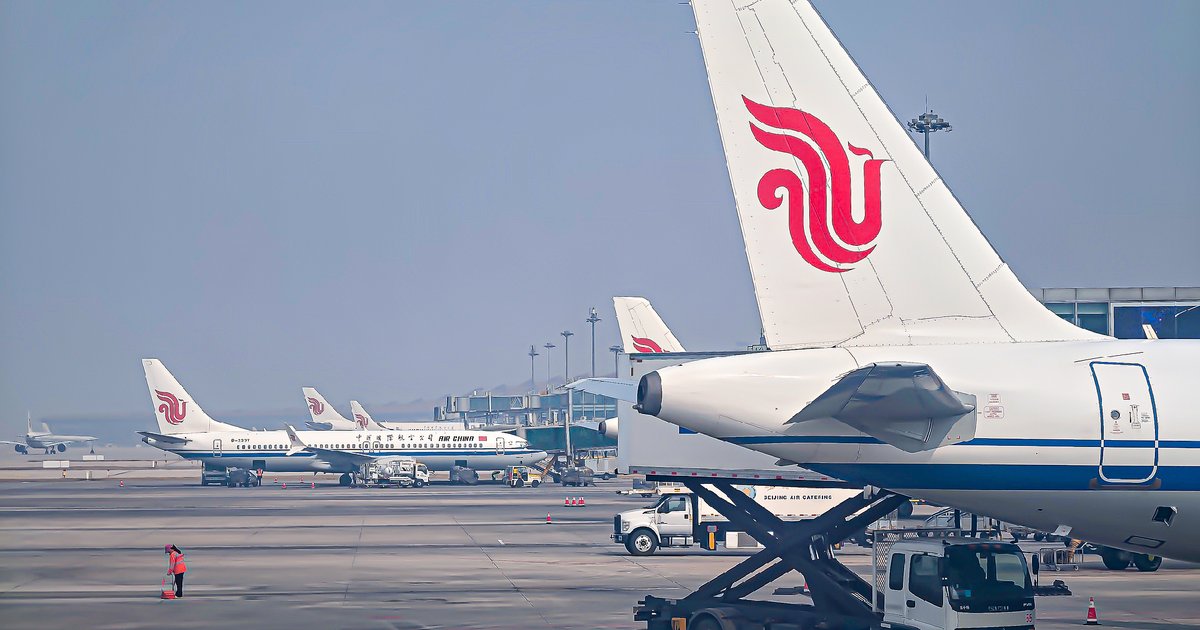
China's 'Air China' has resumed direct flights between the Chinese capital of Beijing and the North Korean city of Pyongyang, starting Monday. This decision comes after a prolonged halt due to the COVID-19 pandemic, reflecting both countries' desire to enhance bilateral relations.
This move is highly significant as it marks a return to the air links that existed before the outbreak of the pandemic. These flights are expected to boost tourism and trade between the two countries, indicating an improvement in diplomatic relations between China and North Korea.
Details of the Resumption
The resumption of direct flights follows months of negotiations between the two sides, where it was agreed to restart flights under strict health protocols. 'Air China' will operate two flights weekly, facilitating the movement of travelers between the two nations. This announcement comes at a time when the world is witnessing significant geopolitical changes, as both countries seek to enhance cooperation in various fields.
This step is also seen as a positive signal for travelers who have been waiting for the resumption of flights, as there has been an urgent need to restore air links between the two nations. Many travelers have expressed enthusiasm about returning to North Korea, which is considered a unique tourist destination.
Background & Context
Historically, relations between China and North Korea have been strong, with China being North Korea's main ally since the Korean War in the 1950s. However, these relations have experienced some tensions in recent years, particularly with increasing international pressure on North Korea due to its nuclear program. Nevertheless, China still views North Korea as an important part of its regional strategy.
Before the COVID-19 pandemic, flights between Beijing and Pyongyang were in high demand, contributing to the enhancement of tourism and trade. With the resumption of these flights, both sides hope to rebuild these links and strengthen economic cooperation.
Impact & Consequences
The resumption of direct flights between Beijing and Pyongyang is an important step in rebuilding relations between the two countries. This development could contribute to improving the economic situation in North Korea, which is suffering from severe international sanctions. Additionally, this move may bolster China's position as a regional power, as it seeks to enhance its influence on the Korean Peninsula.
Furthermore, the resumption of flights could open the door for further cooperation in other areas, such as trade and investment. This step is expected to enhance economic relations between the two countries, benefiting both parties.
Regional Significance
Although this news may seem distant from the Arab region, it has important implications. The relations between China and North Korea could affect regional balances in Asia, which may reflect on Arab interests in the region. Moreover, the strengthening of ties between China and North Korea could indicate shifts in global politics, requiring Arab nations to closely monitor these developments.
In conclusion, the resumption of direct flights between Beijing and Pyongyang represents a positive step towards enhancing relations between the two countries. As geopolitical changes continue, there remains hope that this move will contribute to improving economic and political conditions in the region.