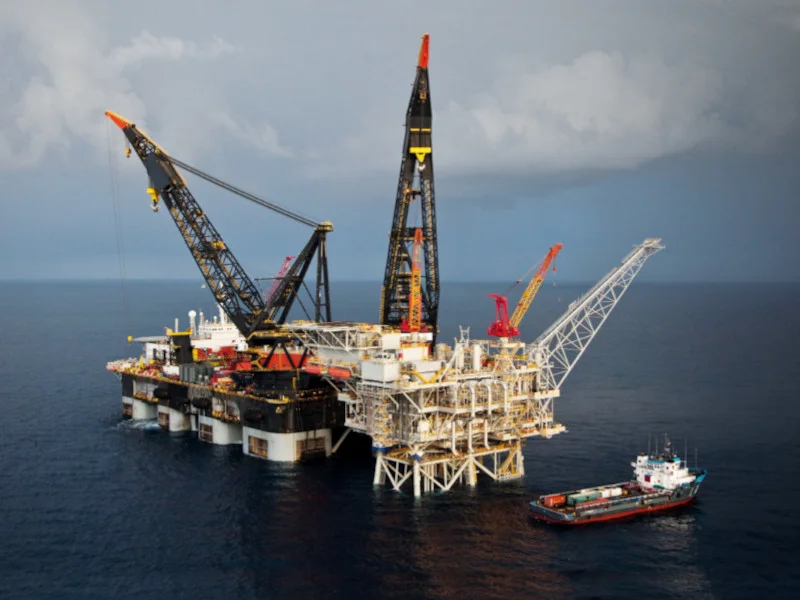
Israel's largest gas field, known as Tamar, has resumed production after a 33-day halt due to the ongoing war with Iran. This resumption comes at a time when global markets are suffering from a severe supply shortage, which may help alleviate price pressures.
The field, considered one of the largest sources of natural gas in Israel, had suspended production following escalating military tensions in the region, significantly impacting gas supplies in the markets. With the resumption of production, it is expected to improve the economic situation in Israel and enhance the country's ability to meet its energy needs.
Details of the Event
The operator of the Tamar field, Delek, announced that production has gradually resumed after necessary measures were taken to ensure operational safety. This decision follows a comprehensive assessment of the security situation and the technical operations required to restart production. Financial markets have reacted positively to this news, with stock prices in the Israeli energy sector rising.
The Tamar field is one of the primary sources of natural gas in Israel, significantly contributing to the country's energy needs. Discovered in 2009, it has since become an essential part of Israel's energy strategy, helping to reduce reliance on energy imports.
Background & Context
Historically, the Middle East has experienced ongoing tensions, particularly between Israel and Iran. These tensions have notably escalated in recent months, affecting regional stability and raising concerns about negative impacts on global energy markets. Iran is one of the largest producers of oil and gas in the world, and any escalation in conflict could significantly affect energy supplies.
In recent years, Israel has sought to enhance its energy capabilities by developing offshore gas fields, such as Tamar and Leviathan. These projects are not only crucial for the Israeli economy but also play a vital role in securing energy supplies for neighboring countries, reinforcing Israel's position as a key player in the regional energy market.
Impact & Consequences
The resumption of production at the Tamar field could have widespread effects on global markets, especially amid rising energy prices. As the conflict in the region continues, the resumption of production may lead to increased price stability, potentially easing pressures on both consumers and businesses.
Moreover, this resumption could enhance trade relations between Israel and neighboring countries, as some nations seek to secure gas supplies from Israel. This development could open new avenues for regional cooperation in the energy sector, further stabilizing the economic landscape in the region.
Regional Significance
Considering the potential impact of the Tamar field's production resumption, it is important to note how this may affect neighboring Arab countries. The resumption of production could increase competition in the gas market, potentially influencing gas prices in Arab nations. Additionally, enhancing Israel's ability to export gas may alter the dynamics of the regional market.
At the same time, Arab countries must consider the challenges that may arise from this resumption, including the need to bolster their energy strategies to ensure they meet their gas and energy needs overall.
In conclusion, the resumption of production at the Tamar field represents a significant step in the context of current regional tensions, reflecting Israel's ability to adapt to challenges. However, the potential impacts on regional and international markets warrant close monitoring by all stakeholders involved.