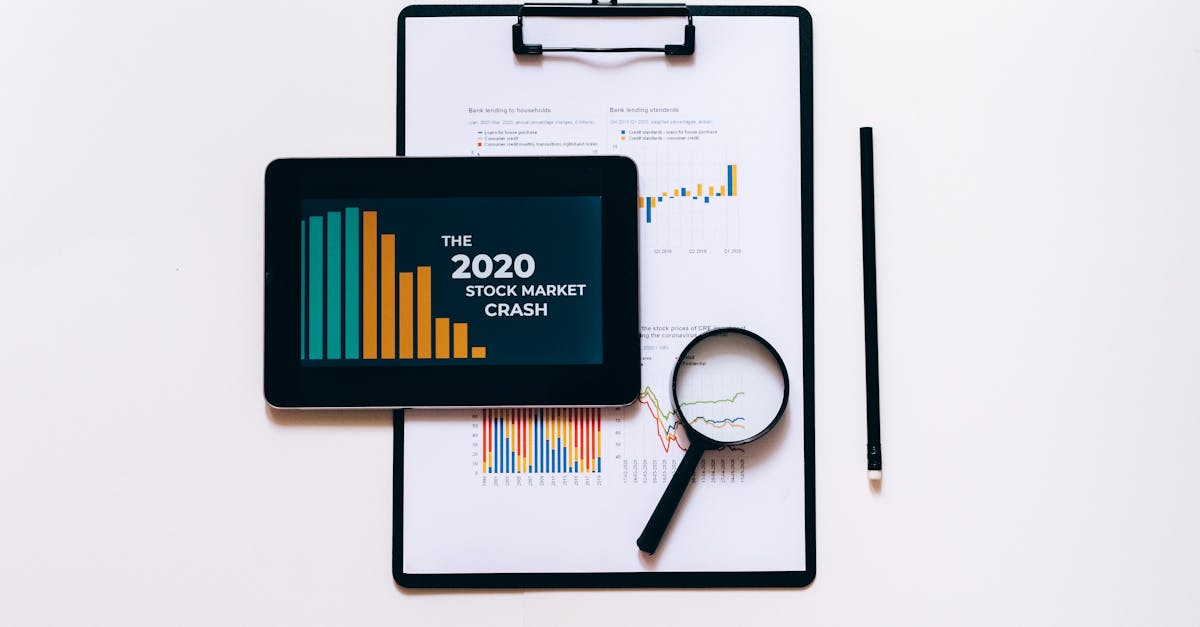
The economic calendar has unveiled crucial figures reflecting the current economic situation. This data emerges at a critical time as many countries strive to bolster their economies amid global challenges.
The new figures include indicators on economic growth, unemployment rates, and inflation, which help in better understanding economic trends. This information is essential for both decision-makers and investors.
Event Details
The figures indicate that some economic sectors have experienced notable growth, while others have faced declines. For instance, the technology sector recorded a growth of 5%, while tourism revenues dropped by 10% compared to last year. These discrepancies reflect the challenges faced by certain industries under current global economic conditions.
Reports also indicate that unemployment rates in some countries have decreased, reflecting government efforts to enhance job opportunities. However, issues related to employment in specific sectors still persist, necessitating further action.
Background & Context
This data comes in a changing global context, where economies are affected by geopolitical tensions and climate changes. The world has witnessed numerous crises in recent years that have impacted economic growth, such as the COVID-19 pandemic and trade wars.
Countries are now seeking to rebuild their economies through new strategies, making economic data more critical than ever. In this context, the economic calendar plays a vital role in providing the necessary information for informed decision-making.
Impact & Consequences
Economic figures directly influence government policies and investment decisions. If positive trends continue, we may witness an increase in both foreign and domestic investments, thereby boosting economic growth.
On the other hand, if challenges persist, governments may have to implement austerity measures, which could adversely affect the standard of living. Therefore, understanding these figures is crucial for both citizens and decision-makers.
Regional Significance
In the Arab region, economic figures play an important role in shaping economic policies. Countries that rely on tourism, such as Egypt and Tunisia, may face greater challenges amid declining revenues. Meanwhile, countries investing in technology may find greater opportunities for growth.
Overall, these figures reflect the challenges and opportunities facing the region, necessitating swift and effective responses from governments to ensure sustainable economic stability.
In conclusion, the economic calendar remains a vital tool for understanding both the global and local economic situation. By analyzing the figures and trends, countries can make informed decisions that enhance their economic growth.