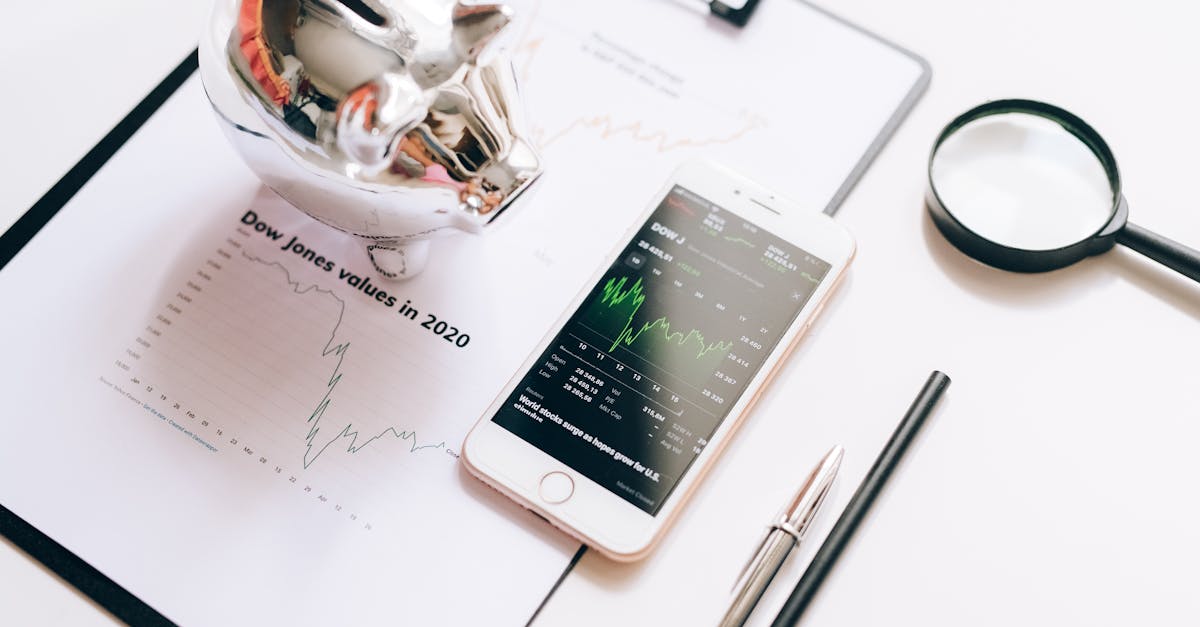
A recent report unveils intriguing figures related to the global economy, highlighting notable shifts in markets. These figures reflect the challenges and opportunities facing countries amid current circumstances.
The report reveals GDP growth rates and unemployment rates in various countries. It also points to the impacts of the COVID-19 pandemic on the global economy, detailing how it has affected supply chains and financial markets.
Event Details
According to the report, the global GDP recorded a growth of 3.5% last year, which is a positive indicator following a period of recession. However, some countries still suffer from high unemployment rates, with some cases reaching 10%.
The report indicates that certain sectors, such as technology and renewable energy, have experienced significant growth, reflecting a shift towards a digital economy and sustainability. Conversely, other sectors like tourism have faced substantial declines due to travel restrictions.
Background & Context
These figures come amid rapidly changing global economic dynamics, as many countries strive to rebuild their economies after consecutive crises. Expansionary monetary policies have increased liquidity in markets, contributing to growth in some sectors.
Despite this, challenges remain, as countries face risks of inflation and rising prices of essential goods, which could impact economic stability in the future. Additionally, geopolitical tensions play a role in shaping the global economic landscape.
Impact & Consequences
Forecasts suggest that countries able to adapt to economic changes will benefit from new growth opportunities. In contrast, countries lagging in adaptation will face greater challenges in maintaining their economic stability.
Moreover, these figures may influence the economic policies of nations, as governments might need to adjust their strategies to tackle new challenges. Financial markets will also react to these figures, potentially leading to price volatility.
Regional Significance
For the Arab region, these figures carry significant implications. Growth and unemployment rates can affect social and political stability in many countries. Furthermore, shifts in the global economy may open new avenues for economic cooperation among Arab nations.
In conclusion, the current situation requires Arab countries to deeply reconsider their economic strategies to ensure sustainable growth and mitigate risks. Understanding the figures and global economic trends will be key to future success.