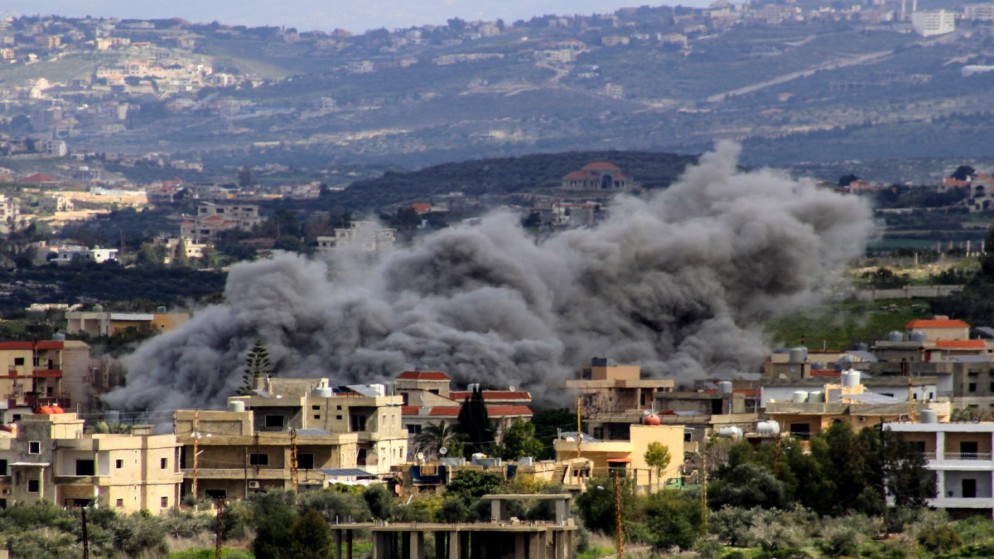
Satellite images taken on April 16 reveal extensive destruction in the towns of Qozh and Beit Lif, located in Southern Lebanon, highlighting the scale of damage inflicted during the recent conflict.
The comparison between reference images from February 16 and those from April 16 shows significant damage across large areas of both towns, with many homes and residential buildings completely destroyed, in addition to damage to roads and public facilities.
Details of the Destruction
Analyses indicate that the destruction has affected prominent civilian and religious sites, including the Saint Joseph Church in Qozh, which was established in 1927. The images also show signs of damage at a site belonging to the United Nations Interim Force in Lebanon (UNIFIL) in the region, where UNIFIL had reported in March that three peacekeepers were injured inside their base due to heavy gunfire.
Despite the ceasefire agreement coming into effect, reports of new explosions in the area raise concerns about the sustainability of the truce.
Background & Context
These events occur at a sensitive time for the region, where residents are suffering from the ongoing effects of conflict, complicating relief and reconstruction efforts.
The humanitarian situation is dire, with many families displaced and in need of urgent assistance. The international community's response is critical to address the immediate needs of those affected.
Impact & Consequences
The current conditions underscore the urgent need for international support for those affected by the conflict, highlighting the importance of restoring security and stability in the region.
As the situation develops, the potential for further violence remains a significant concern, which could hinder recovery efforts and exacerbate humanitarian needs.
Regional Significance
The destruction in Qozh and Beit Lif not only impacts local residents but also has broader implications for regional stability. The ongoing conflict poses risks to neighboring areas and could affect international relations.
In conclusion, the situation in Southern Lebanon necessitates immediate attention and action from the global community to ensure peace and support for those in need.