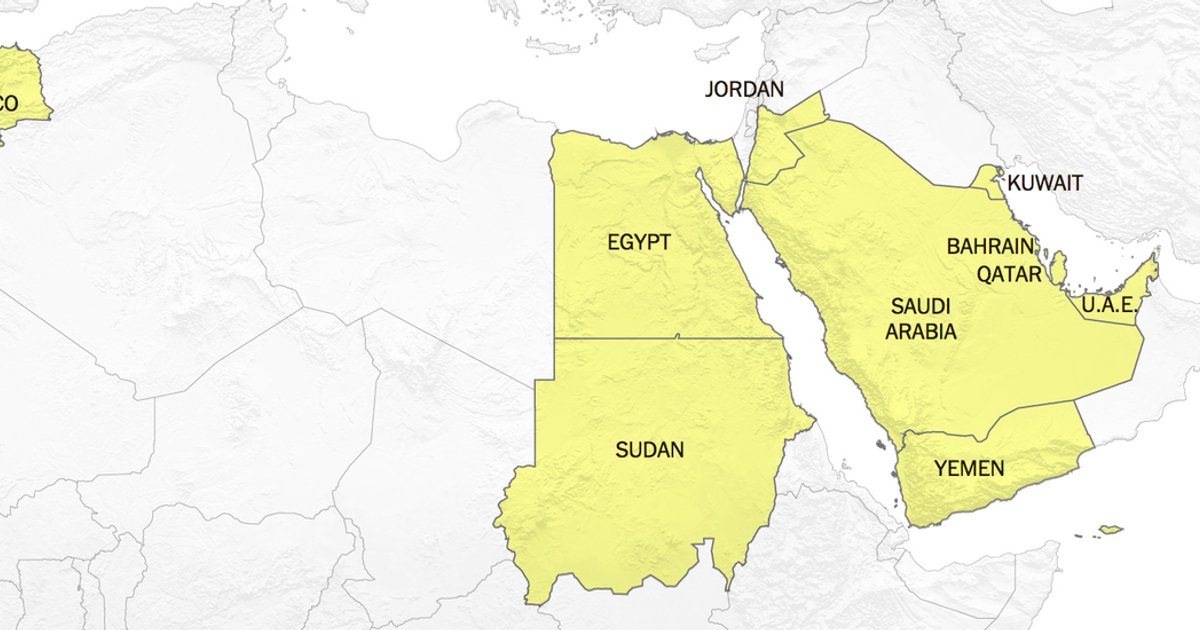
The crises in the Arab world are increasing, leading to the emergence of the true loyalties of nations and individuals. Amid political and economic tensions, the positions of countries towards each other become clear, reflecting new alliances and changes in regional relationships.
The region is witnessing multiple crises, ranging from armed conflicts to economic downturns, placing countries in difficult positions that require decisive action. These crises not only reveal loyalties but also the challenges governments face in managing internal and external situations.
Details of the Events
There are numerous examples of crises affecting Arab countries, such as the conflict in Syria, the economic crisis in Lebanon, and the war in Yemen. Each crisis carries lessons about true loyalties, as international and local reactions vary.
For instance, during the Syrian crisis, the positions of major countries varied, with some supporting the opposition while others sided with the government. This divergence reflects political loyalties that transcend geographical borders.
Background & Context
Historically, the Arab region has experienced many crises that have impacted relationships between countries. From the Arab-Israeli conflict to foreign interventions, these crises have always revealed true loyalties. In recent years, crises have significantly increased, leading to a reevaluation of traditional alliances.
These crises require Arab countries to think of new strategies to deal with the challenges. Cooperation among Arab nations has become an urgent necessity to confront shared crises.
Impact & Consequences
The current crises have profound effects on regional stability. As economic and political pressures mount, some countries may seek to strengthen their alliances with others, leading to shifts in the balance of power in the region.
Moreover, crises can exacerbate internal tensions, as governments face increasing pressure to meet the needs of their populations. This situation may lead to protests or political changes in some countries.
Regional Significance
The Arab region is significantly affected by the current crises, highlighting the need for cooperation among countries to address common challenges. Regional collaboration can contribute to enhancing stability and achieving sustainable development.
Ultimately, crises reveal true loyalties, necessitating Arab nations to reassess their strategies and build new alliances that align with current changes.