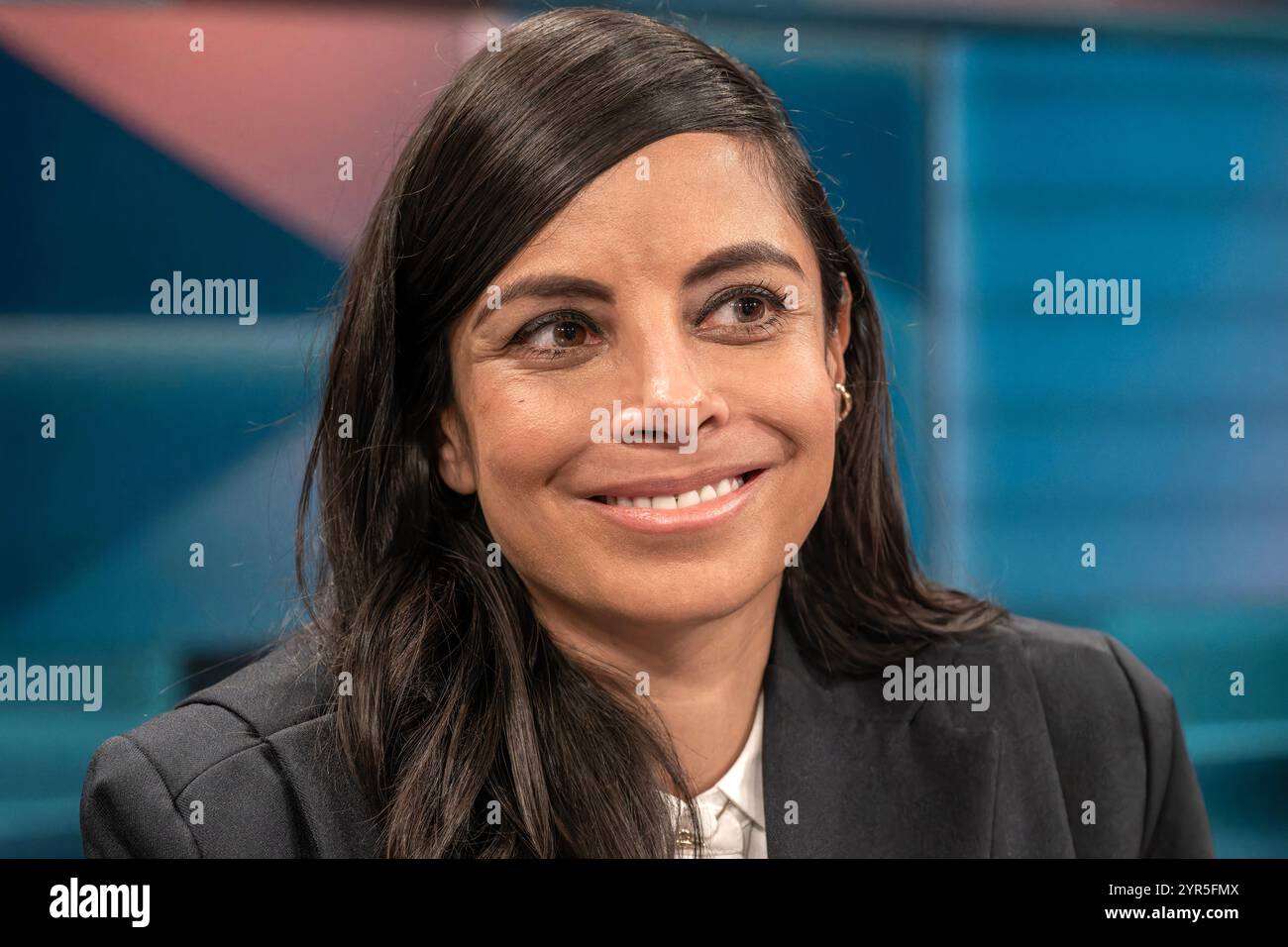
In a shocking incident, German actress Kollin Fernandez revealed that her husband was the one who published deepfake videos of her online. These statements ignited angry reactions within the German community, leading to organized protests and parliamentary discussions surrounding this issue.
The case involves the dissemination of videos altered using deepfake technology, which allows for the creation of fake videos that depict individuals in situations that never occurred. Although the husband denied these allegations, the case has sparked widespread debate concerning individuals' rights in the digital space.
Details of the Incident
Kollin Fernandez's statements caused a significant uproar on social media, with many users expressing their support for her and condemning her husband's actions. Protests were organized outside the German parliament, where demonstrators demanded stricter laws regarding the misuse of technology.
Some lawmakers were summoned to discuss the issue in parliament, where proposals were made to amend laws related to protecting individuals from such violations. Some representatives pointed out that this case is not unique but reflects a broader problem concerning online harassment.
Background & Context
The case of Kollin Fernandez is part of a growing phenomenon in the digital world, where technology is used unethically to harm individuals. In recent years, there has been an increase in cases involving deepfake technology across various fields, including politics and entertainment.
Historically, there have been numerous instances where this technology has been used to defame individuals, leading to global calls for stricter laws regarding privacy protection. In Germany, this case serves as a wake-up call for authorities to intervene more effectively to protect individuals from such violations.
Impact & Consequences
The repercussions of this case could be far-reaching, potentially leading to legal changes in how cases of online harassment are handled. It may also contribute to raising awareness about the dangers of using technology unethically.
Furthermore, this case could enhance efforts to develop new technologies to combat the misuse of deepfake, which could protect individuals from experiencing such violations in the future.
Regional Significance
In the Arab region, this case raises questions about how to protect individuals from online harassment, especially amidst the increasing use of social media. This incident could be an opportunity for stakeholders in Arab countries to develop laws that protect individuals from such violations.
It may also highlight the importance of raising awareness about the risks of technology and how to use social media safely. Given the challenges faced by Arab communities, this case could serve as a catalyst for improving legal and legislative frameworks to protect individuals.
In conclusion, the case of Kollin Fernandez represents a significant challenge for many communities, underscoring the need to protect individuals from the misuse of technology. It is crucial for efforts to be coordinated at both local and international levels to ensure individuals' safety in the digital space.